If you want to make the most of Lafayette’s spring market, preparation matters more than ever. Homes here can move quickly, and buyers often form their opinion before they ever step through the front door. With the right plan, you can focus on the updates that show well in photos, support a strong launch, and help you sell with confidence. Let’s dive in.
Why spring prep matters in Lafayette
Lafayette is a fast-moving market where presentation can influence how buyers respond right away. In February 2026, Redfin reported a median sale price of $2.06 million, about 5 offers per home, roughly 10 days on market, and a 104.4% sale-to-list ratio.
That kind of pace leaves little room for last-minute fixes once your listing is live. It also means your first week on the market, especially your photography and first open house, can carry a lot of weight.
Spring adds another timing advantage. Zillow’s spring selling analysis says the season typically begins in March and peaks in late May or early June, with homes listed in late May 2024 earning a 1.6% premium on average nationally. For you, that supports starting early instead of rushing once spring demand is already underway.
Start with what buyers notice first
The goal is not to over-improve your home. The goal is to make it easy for buyers to picture themselves living there and to make every visible space feel cared for.
According to the National Association of REALTORS® 2025 staging snapshot, 83% of buyers’ agents said staging helps buyers visualize a property. NAR also defines staging broadly, including cleaning, decluttering, repairing, depersonalizing, and updating the home.
That is important in Lafayette, where detached homes make up much of the housing stock. The City of Lafayette housing page notes that single-family homes account for 82% of housing stock, and Census-based data there shows 72% of households are owner-occupied. In a market shaped by owner homes, buyers are often comparing condition, layout, and overall presentation very closely.
Follow a smart spring prep sequence
A good spring listing plan starts with the items buyers will notice most in person and online. In a market that moves as quickly as Lafayette, a clean sequence can save you time, money, and stress.
1. Declutter and depersonalize first
This is usually the highest-return first step. Clear countertops, edit closets, remove excess furniture, and pack away highly personal items so rooms feel more open and easier to read.
The point is not to erase your home’s character. It is to help buyers focus on the space itself, the light, and the layout.
2. Handle visible cosmetic fixes
Once the home is simplified, small flaws stand out more. That makes this the right time to address paint touch-ups, worn caulking, dated hardware, tired light fixtures, and minor kitchen or bath refreshes.
These are often the updates that make a home feel maintained rather than deferred. You do not need a major remodel to improve buyer perception if the basics are crisp and cohesive.
3. Stage key rooms
NAR found that the most commonly staged rooms were the living room, primary bedroom, and dining room. If you are deciding where to focus, those spaces are a strong place to start.
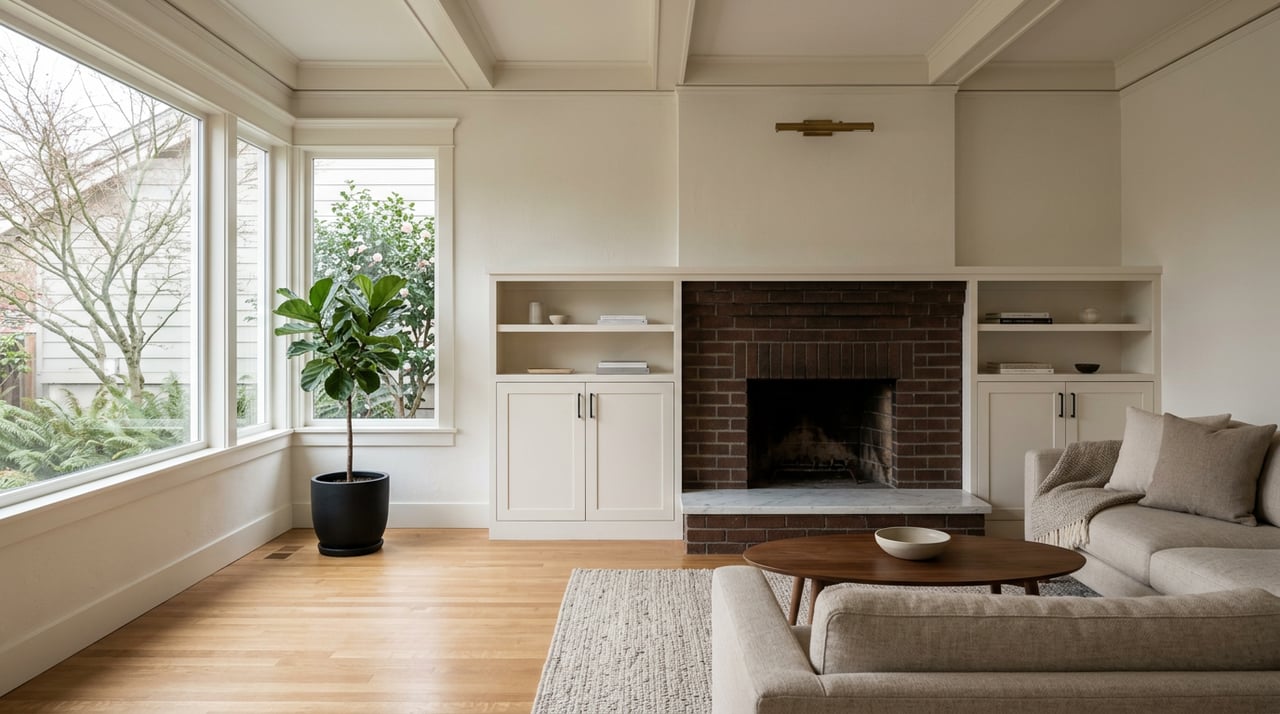
In Lafayette, that often means emphasizing natural light, comfortable flow, and clean sightlines. Buyers tend to respond well when the home feels bright, functional, and ready to enjoy.
4. Deep clean before photos and launch
Deep cleaning should happen near the end, not the beginning. After repairs and staging are complete, a final clean helps everything photograph better and supports a stronger first impression in person.
Windows, floors, kitchen surfaces, bathrooms, and entry areas deserve special attention. In a market where homes can go pending quickly, details like these can influence buyer confidence.
Highlight the features Lafayette buyers may notice
Every market has its own visual language. In Lafayette, recent Redfin Home Trends data showed that open concept design, ranch layouts, stone counters, large windows, and landscape were among the feature categories associated with stronger sale-to-list ratios.
That does not mean you need to change your floor plan before selling. It means you should present your home in a way that makes these strengths easier to see if they already exist.
Make light and layout feel obvious
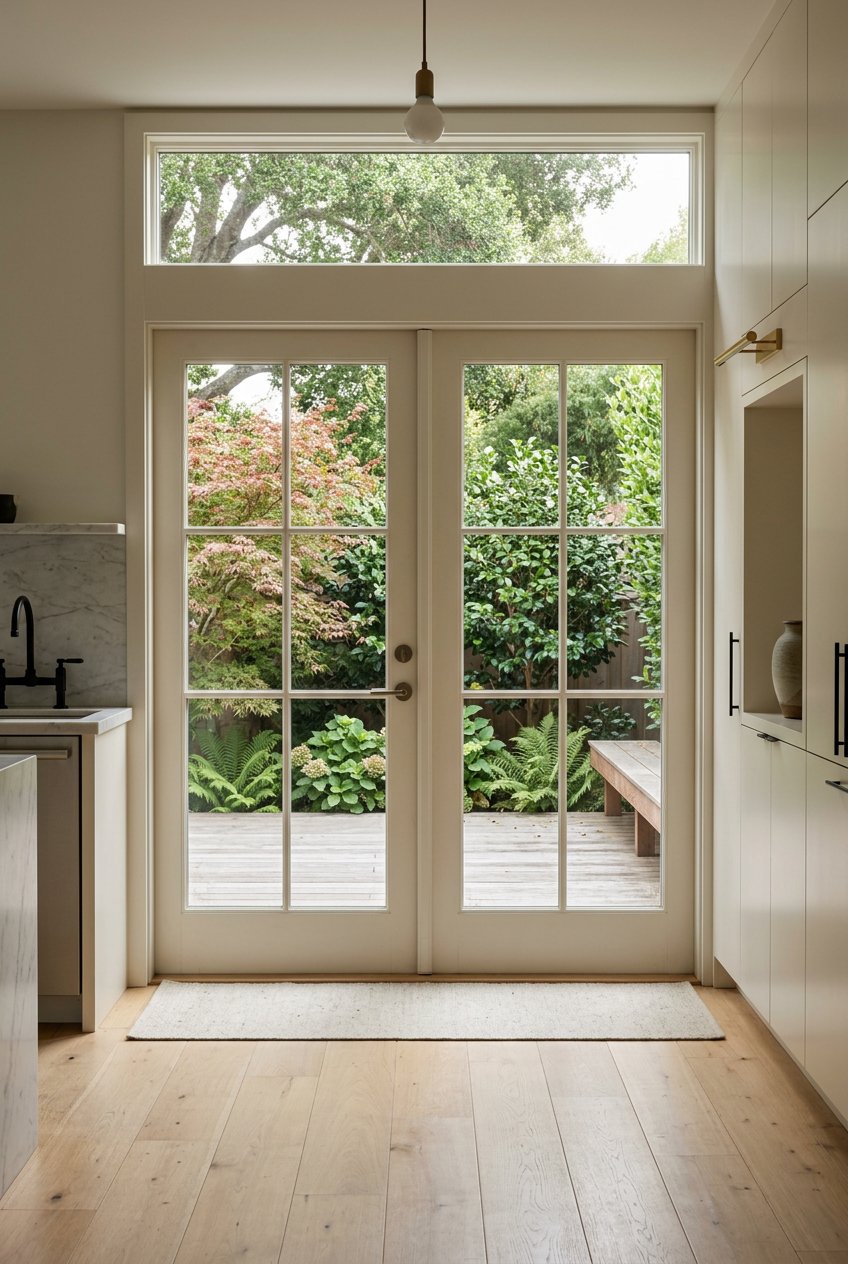
If your home has large windows, open up window coverings and simplify furniture placement so natural light can do its job. If you have a ranch layout or easy room-to-room flow, avoid blocking pathways and keep the layout readable.
Buyers often make snap judgments from photos. A space that feels airy and intuitive online usually performs better in person too.
Keep kitchens and baths clean-lined
If you already have stone counters, make them visible by clearing appliances and decorative clutter. If your kitchen or bath is older, simple updates like cabinet hardware, lighting, and fresh caulk can still help the room present more cleanly.
You are aiming for polished and intentional. Buyers do not need every finish to be new to feel that a home has been cared for.
Focus on curb appeal that pays off
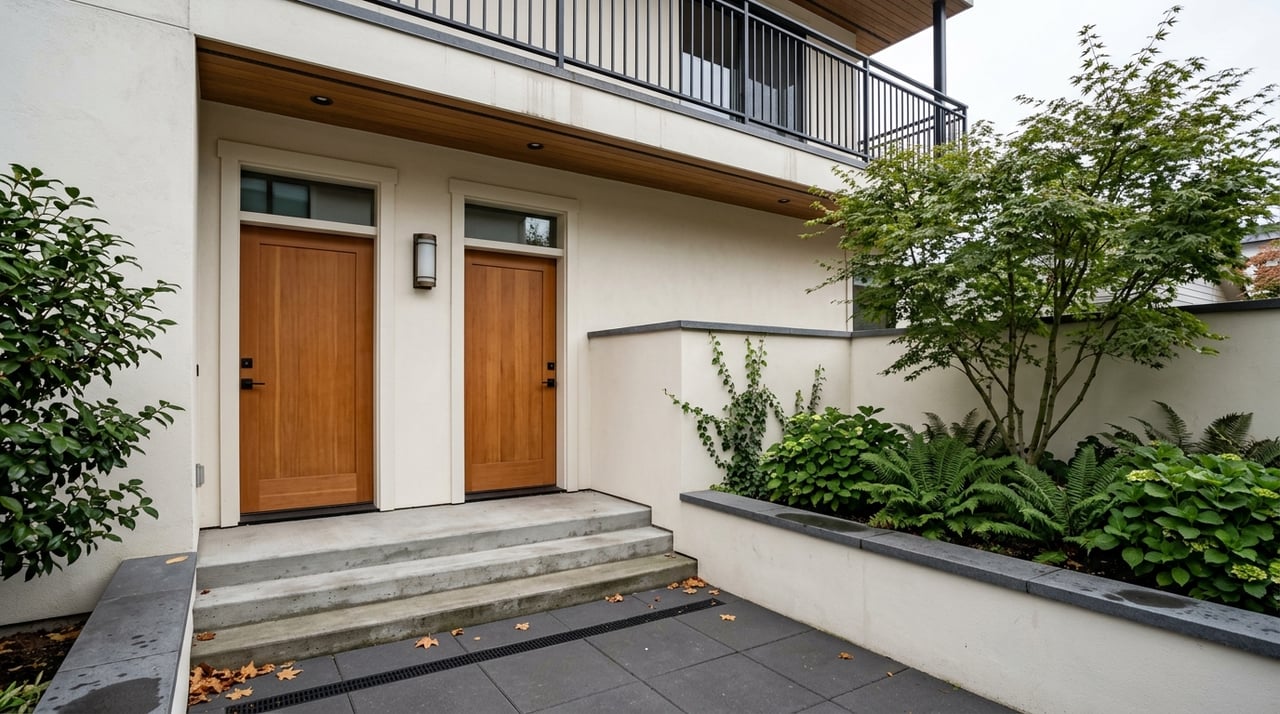
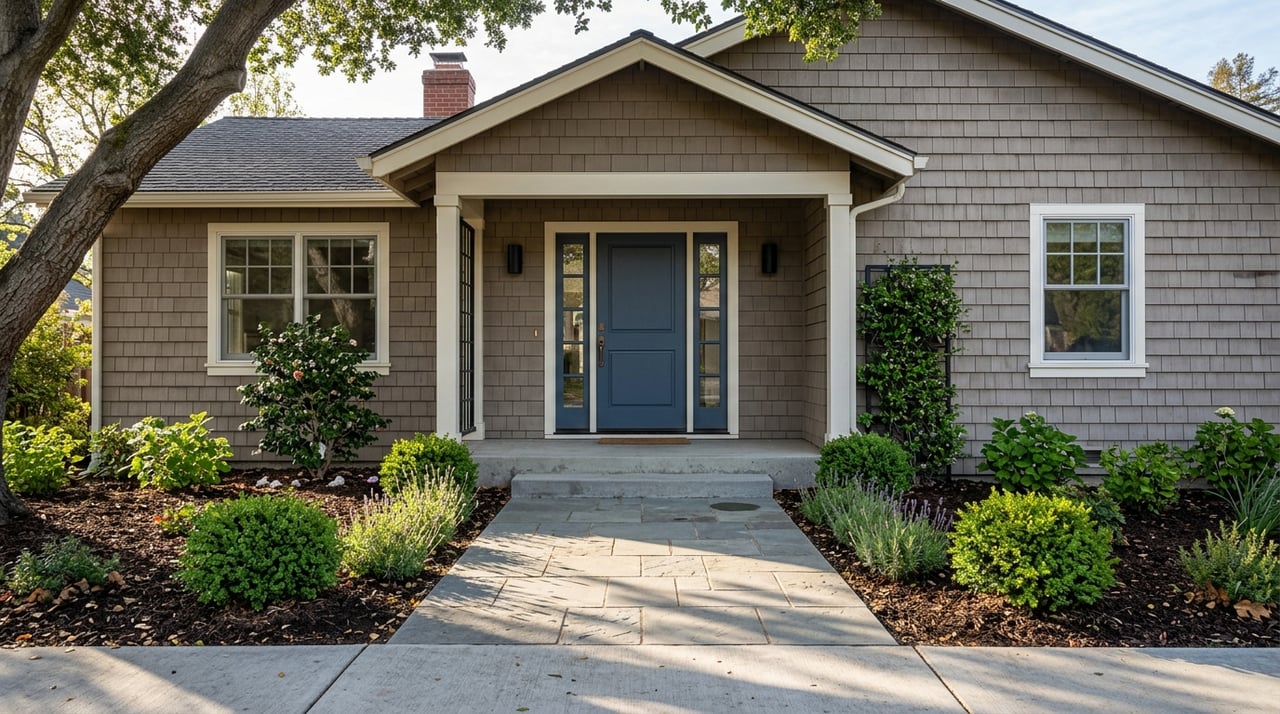
Exterior presentation matters in every season, but it can be especially important in spring when landscaping is active and buyers are paying attention to outdoor living. NAR reports that 92% of REALTORS® recommend improving curb appeal before listing and 97% say curb appeal is important to attracting a buyer.
That same NAR research also supports keeping outdoor projects practical. Standard lawn care service, landscape maintenance, overall landscape upgrade, and a new patio were estimated at 217%, 104%, 100%, and 95% value recovery, respectively.
Prioritize simple, visible outdoor work
For most Lafayette sellers, the most effective outdoor checklist includes:
- Mowing and edging
- Pruning shrubs and trees
- Refreshing mulch
- Pressure-washing hard surfaces
- Cleaning the front entry
- Styling a patio or deck so it feels usable
These upgrades are visible right away and can improve both photos and in-person visits. They also tend to be easier to complete on a spring timeline.
Make outdoor living feel intentional
Redfin’s 2025 buyer-features article notes that covered outdoor spaces are especially appealing. If your home has a deck, patio, porch, or shaded seating area, stage it simply so buyers can imagine using it.
In Lafayette, outdoor space often feels especially relevant given local access to places like Community Park, the Lafayette Community Park trails, and the Lafayette Reservoir. A tidy, usable yard can reinforce the lifestyle buyers are already seeking.
Keep landscaping polished and manageable
A beautiful yard should feel like an asset, not a future burden. In the Bay Area’s summer-dry climate, that often means clean, low-fuss landscaping instead of anything too thirsty or too complicated.
EBMUD’s water-wise landscape guidance emphasizes low-water plants, mulch, efficient irrigation, and lawn conversion. If you are refreshing your yard before listing, that framework can help you create a space that looks attractive and practical.
For many sellers, the sweet spot is simple: healthy plantings, fresh mulch, clean paths, and irrigation that works properly. Buyers tend to respond well when outdoor areas feel both attractive and realistic to maintain.
Do not overlook fire-zone and permit issues
In Lafayette, spring prep is not only about aesthetics. Some properties also need attention to wildfire-related requirements and local project rules.
The City of Lafayette says its current fire hazard severity map took effect on July 10, 2025, covering 7,018 acres total, including 5,309 acres in High zones and 41 acres in Very High zones. The city also notes that Very High Fire Hazard Severity Zone properties have a 100-foot defensible-space requirement, and sellers in High or Very High zones need defensible-space compliance documentation or a buyer agreement to obtain it.
Treat exterior cleanup as presentation and risk reduction
CAL FIRE preparedness guidance recommends home hardening and maintaining 100 feet of defensible space around structures, including keeping annual grass to 4 inches or less. If your property falls within a mapped zone, spring cleanup may support both your sale preparation and your disclosure readiness.
This is a good reason to look at vegetation, tree limbs, dry grass, and general perimeter maintenance early in your timeline. Waiting until the listing is active can create avoidable delays.
Screen larger yard projects before you start
If you are considering a bigger exterior overhaul, check local requirements first. Lafayette says a grading permit may be required if a project moves more than 50 cubic yards of soil, and encroachment agreements may be needed for fences or landscaping in the public right-of-way.
That does not mean you should avoid yard work. It means larger-scope improvements should be reviewed early so your budget and schedule stay aligned with your listing target.
A practical spring countdown for sellers
If you want a simple way to organize your launch, use this order of operations:
Four to six weeks before listing
- Declutter room by room
- Pack away personal items
- Identify cosmetic repairs
- Review any fire-zone or exterior compliance needs
- Screen larger landscaping or yard projects for permit issues
Two to four weeks before listing
- Complete paint touch-ups and minor updates
- Improve lighting, hardware, and caulking
- Tidy landscaping and outdoor living areas
- Confirm irrigation and basic exterior maintenance
One to two weeks before listing
- Stage the main living spaces, primary bedroom, and dining area
- Finish deep cleaning
- Prepare the home for professional photography and video
In a market like Lafayette, where speed and presentation matter, this kind of structure helps you avoid rushed decisions. It also creates a stronger foundation for your pricing and marketing strategy.
Why professional prep can change your outcome
When homes are selling quickly, it is easy to assume almost any listing will perform well. But strong markets do not erase the difference between a home that feels market-ready and one that feels unfinished.
The right prep can help your home photograph better, attract more attention early, and support a more confident buyer response. For sellers who want to maximize net proceeds, that is where strategic guidance matters most.
Tomaj Trenda takes a seller-first approach built around preparation, presentation, and high-impact marketing. From pre-listing project management and staging coordination to professional media and a polished launch, Tomaj Trenda helps East Bay sellers bring the right improvements to market with a clear plan.
FAQs
What should Lafayette sellers do first to get a home market-ready in spring?
- Start with decluttering and depersonalizing so buyers can focus on the space, light, and layout before you move on to repairs, staging, and cleaning.
What spring improvements matter most for Lafayette curb appeal?
- Focus on visible basics like lawn care, pruning, mulch, pressure-washing, and making patios or decks feel usable rather than taking on expensive outdoor projects.
How fast can a well-prepared home sell in Lafayette?
- According to Redfin’s February 2026 market data, homes in Lafayette averaged about 10 days on market, which is why strong preparation before launch is so important.
What rooms should sellers stage before listing a Lafayette home?
- NAR’s 2025 staging report says the living room, primary bedroom, and dining room are the most commonly staged rooms, making them smart priorities for sellers.
What fire hazard issues should Lafayette home sellers check before listing?
- Sellers should review whether their property is in a High or Very High Fire Hazard Severity Zone and confirm any defensible-space documentation or related requirements before going live.
Do Lafayette sellers need permits for large yard projects before listing?
- Some projects may require local review, including grading work that moves more than 50 cubic yards of soil or certain improvements in the public right-of-way, so it is wise to check early.