Two similar Berkeley homes can sell for very different prices, even if they look alike on paper. If you have ever wondered why one listing flies off the market while another lingers, the answer often lives at the micro-neighborhood level. In Berkeley, a few blocks can shift buyer pools, price per square foot, and days on market. In this guide, you’ll see how local pockets shape value, which factors matter most, and how to position your home for a stronger outcome. Let’s dive in.
Why micro-neighborhoods change price in Berkeley
Berkeley is a high-demand market with quick turn times. In January 2026, Redfin reported a citywide median sale price around $1.35M and typical days on market near 20 days, which is fast for the Bay Area. Redfin’s Berkeley market page shows how competitive the city is overall.
Within that fast market, smaller pockets behave differently. Elmwood near College Avenue, North Berkeley around the Gourmet Ghetto, the Hills, and West Berkeley each have distinctive amenities, housing types, and buyer profiles. Those differences translate into measurable price and speed shifts for otherwise similar homes.
Snapshot: recent neighborhood numbers
Treat any neighborhood figure as a directional estimate since vendor boundaries and methods vary and monthly samples can be small. Always note the source, metric, and date.
- Elmwood: Zillow’s ZHVI for Elmwood was about $1.96M as of late January 2026. Elmwood is one of the city’s higher-priced, highly walkable areas with strong retail along College Avenue. See Zillow’s Elmwood ZHVI.
- North Berkeley: Redfin cited a January 2026 neighborhood median around the high six to low seven figures, with an example near $1.8M, while Zillow’s ZHVI for a similar area was lower due to different boundaries and methodology. Explore Redfin’s North Berkeley data.
- Berkeley Hills: Hills medians typically sit above the citywide number. Zillow’s Hills ZHVI showed a representative value near $1.61M in recent snapshots, with price ceilings rising for unobstructed Bay and city views. Check Zillow’s Berkeley Hills ZHVI.
- Central and Downtown: Downtown’s product mix includes condos and small single-family homes, so monthly medians can jump when samples are small. Confirm whether a stat reflects condos, single-family, or both before you compare.
- West Berkeley: Prices often trend lower than Elmwood and the Hills, with momentum where new retail and transit access add convenience. As with Downtown, verify inventory mix when comparing month to month.
Important reminder: medians depend on sample size, whether condos are included, and exact neighborhood boundaries. Always include a date, vendor, and whether you are citing ZHVI, median sale, or median list.
The value drivers buyers pay for
Walkability and retail anchors
Blocks with everyday retail nearby usually command higher prices and faster sales. College Avenue in Elmwood and Shattuck’s Gourmet Ghetto offer destination dining and daily conveniences that many buyers prioritize. Visit Berkeley’s neighborhood overview highlights anchors like Chez Panisse, Cheese Board, and Solano Avenue shops that draw foot traffic and demand. See Visit Berkeley’s boroughs overview.
Transit access and BART proximity
Walkable access to BART is a powerful demand driver for San Francisco and Oakland commuters. From Downtown Berkeley, typical BART rides to central San Francisco run roughly 20 to 35 minutes depending on route and time. Proximity often supports higher prices and shorter days on market. Review BART’s Downtown Berkeley station page for station details and location context.
Architecture, lots, and era
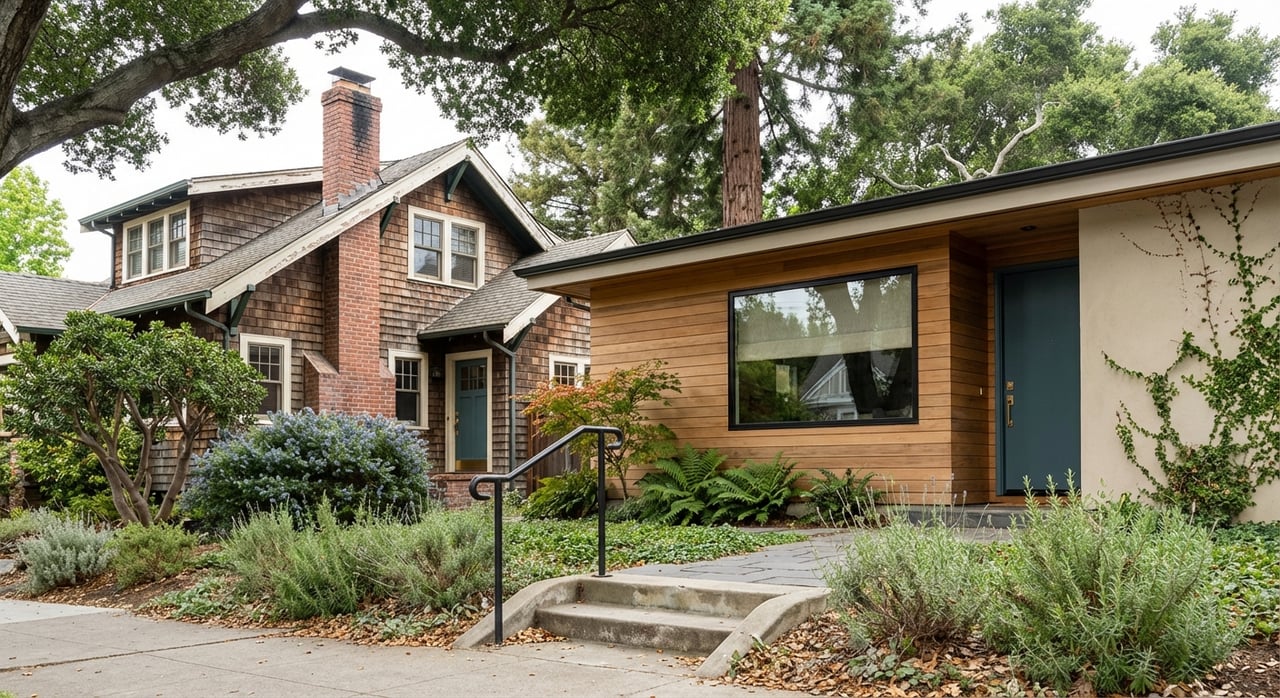
Early 20th-century brown-shingle and Craftsman homes in Elmwood and North Berkeley often achieve strong per-square-foot results, especially when period details remain intact. In the Hills and Claremont, larger lots, privacy, and custom architecture shape pricing power. Usable outdoor space and a layout that fits modern living can be just as important as interior square footage.
Views, topography, and seismic context
In hillside areas, Bay and skyline views can significantly raise a home’s ceiling price. At the same time, slope, access, and seismic factors influence buyer comfort and insurance or lending considerations. The Hayward Fault runs through the East Bay, so it is smart to understand local hazard maps and disclosure requirements. Start with the USGS Hayward Fault resources.
Schools and family considerations
Families often weigh school assignments alongside commute and space needs. Independent platforms track school information, which can influence neighborhood demand. If schools are part of your buyer’s calculus, you can review district resources and neutral third-party sites such as GreatSchools’ page for Berkeley High, then confirm current attendance boundaries directly with the district.
Zoning, ADUs, and middle housing potential
Allowable uses can expand your pool of buyers, especially for properties with ADU or small-scale infill potential. Berkeley took steps in 2025 to enable more “middle housing” formats in some low-density zones. For parcel-level guidance and effective dates, see the City Council materials for July 8, 2025: City of Berkeley agenda.
Rent regulation and investor appetite
If you are selling multi-unit property, Berkeley’s Rent Stabilization and Eviction for Just Cause rules and statewide AB 1482 shape investor underwriting and exit strategies. Clarify which units are covered or exempt so buyers can price income accurately. The Berkeley Rent Board provides summaries and links to statutes at the Rent Board AB 1482 page.
Parking and local policy
Residential Permit Parking zones near UC Berkeley, Downtown, and BART areas affect day-to-day convenience and buyer preference. If your home includes off-street parking or a garage, call that out clearly. Check the City’s current RPP boundaries and any pending policy updates when you prepare disclosures.
How this plays out in pricing and speed
Amenity premiums and risk discounts
Neighborhood amenities show up in the numbers. For example, in recent snapshots, Elmwood’s ZHVI near $1.96M sat well above the city’s overall median near $1.35M, which illustrates the kind of premium walkable corridors can command. See Zillow’s Elmwood ZHVI and Redfin’s Berkeley market page for current figures and dates.
Risk factors can push in the opposite direction. When a property intersects mapped fault, liquefaction, or landslide zones, some buyers price in mitigation costs or move more slowly, which can reduce offers or lengthen time on market. Use USGS and City resources during your disclosure and pricing process to anticipate questions and support buyer confidence.
Days-on-market patterns
Redfin shows Berkeley-wide days on market around 20 days in early 2026, but DOM varies by pocket and property type. Walkable single-family homes near retail or BART can compress DOM and attract multiple offers. Hills homes with larger lots and views often have a higher price ceiling, yet they may require more prep and buyer education, which can extend market time. Small monthly sample sizes can skew neighborhood-level DOM, so look at multi-month trends rather than a single month.
Seller playbook: capture your micro-neighborhood edge
Use this checklist to position your home accurately and market the right story to the right buyers.
- Name your exact micro-neighborhood and nearby anchors. Identify local shorthand that buyers recognize, such as College Avenue, Gourmet Ghetto, or Solano Avenue. Use neighborhood and City guides for boundaries.
- Pull current directional medians with source and date. Compare a Zillow ZHVI snapshot to a Redfin neighborhood median to understand how methodology and boundaries differ.
- Confirm typical DOM for your property type. Use neighborhood-level data where available so a condo is compared to condos and single-family to single-family.
- Map transit access and walkability. Note distance to BART and daily retail. A buyer who can walk for coffee, groceries, and transit usually moves faster to bid. See BART Downtown Berkeley and Visit Berkeley’s boroughs.
- Document architecture, lot features, and views. Call out period details, usable yard, orientation, and any view corridors. These are price levers you can highlight with professional media.
- Check zoning, ADU, and middle housing options. Confirm what the parcel allows today and any pending changes so you do not oversell future potential. Start with the City’s July 8, 2025 materials: Berkeley Council agenda.
- Verify rent-control coverage if applicable. For multi-unit sales, outline which units are covered or exempt so investors can underwrite clearly. See the Berkeley Rent Board’s AB 1482 page.
- Run a hazard check and prepare disclosures. Reference USGS fault resources and local maps to provide buyers with transparent, credible information. Start with the USGS Hayward Fault overview.
- Clarify parking and RPP status. If you have off-street parking or garage space, feature it prominently. Include current RPP details in your package.
When you combine accurate micro-neighborhood positioning with strong presentation, you widen your buyer pool and protect your price. That is where targeted preparation and high-production marketing make a measurable difference.
Ready to sell smarter in Berkeley?
If you want to price with confidence and showcase what buyers value on your block, bring in a listing partner who lives the micro-neighborhood details and executes a premium marketing plan. Our Seller Success System and 38-point marketing program pair hands-on renovation guidance with cinematic media and targeted distribution to reach the right buyers quickly and drive stronger offers. Connect with Tomaj Trenda to get a custom pricing plan and an action-ready prep and marketing roadmap.
FAQs
What is a Berkeley micro-neighborhood and why does it affect price?
- In Berkeley, small pockets with distinct amenities, housing types, and transit access attract different buyer pools, which changes price per square foot and days on market.
How can I find current neighborhood medians for 2026?
- Check a mix of sources, note the date and metric, and compare methods, such as Redfin’s Berkeley market page for median sale prices and Zillow’s Elmwood ZHVI for index values.
How much does being near BART help my sale?
- Walkable access to Downtown or North Berkeley BART often supports higher prices and faster sales due to easier commutes; see BART Downtown Berkeley for location context.
Do Hills views always add value in Berkeley?
- Quality, unobstructed Bay or skyline views tend to raise ceilings, but slope, access, and seismic context matter, so pair view marketing with clear hazard disclosures using USGS fault resources.
How do schools factor into buyer demand?
- School considerations can shape buyer interest in specific areas; review district information and neutral sources like GreatSchools’ Berkeley High page and always confirm current boundaries.
What 2025 zoning updates should I know about?
- Berkeley’s middle-housing changes may expand options like duplexes or cottages in some zones; verify parcel-level rules and dates in the City Council’s July 8, 2025 materials.
What should multi-unit sellers know about rent control?
- Identify which units fall under local rent stabilization or AB 1482 so investors can underwrite accurately; the Berkeley Rent Board summarizes coverage and exemptions.