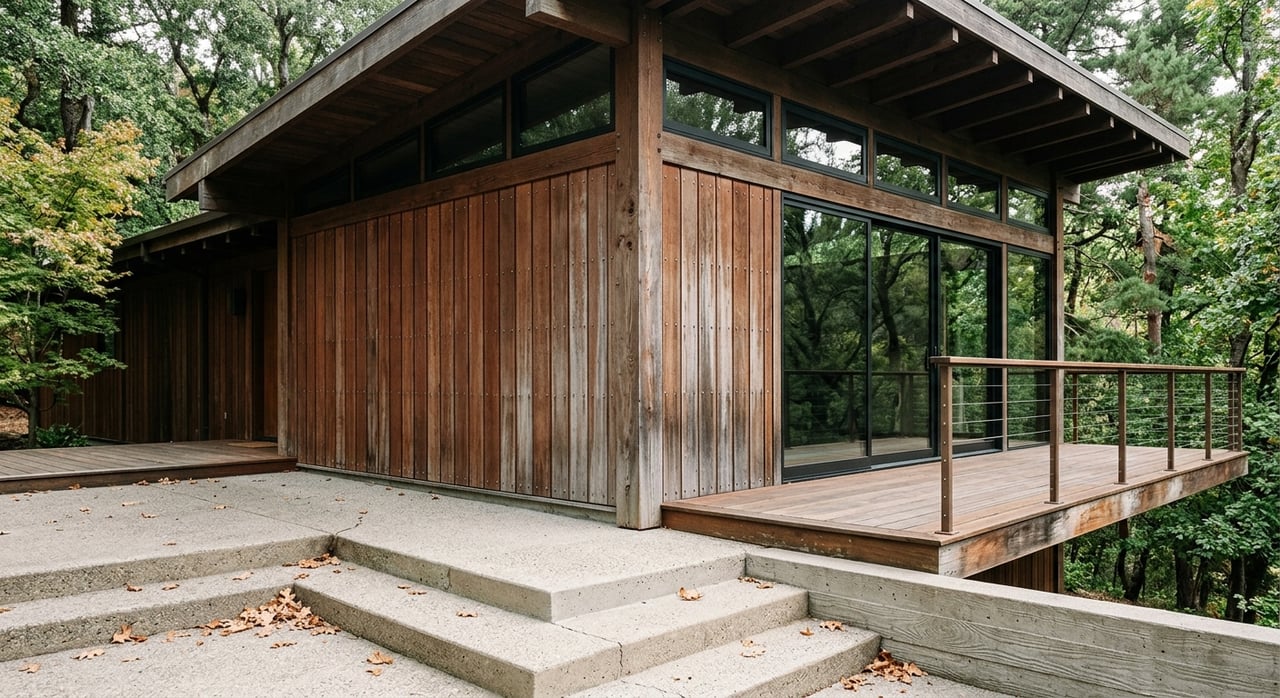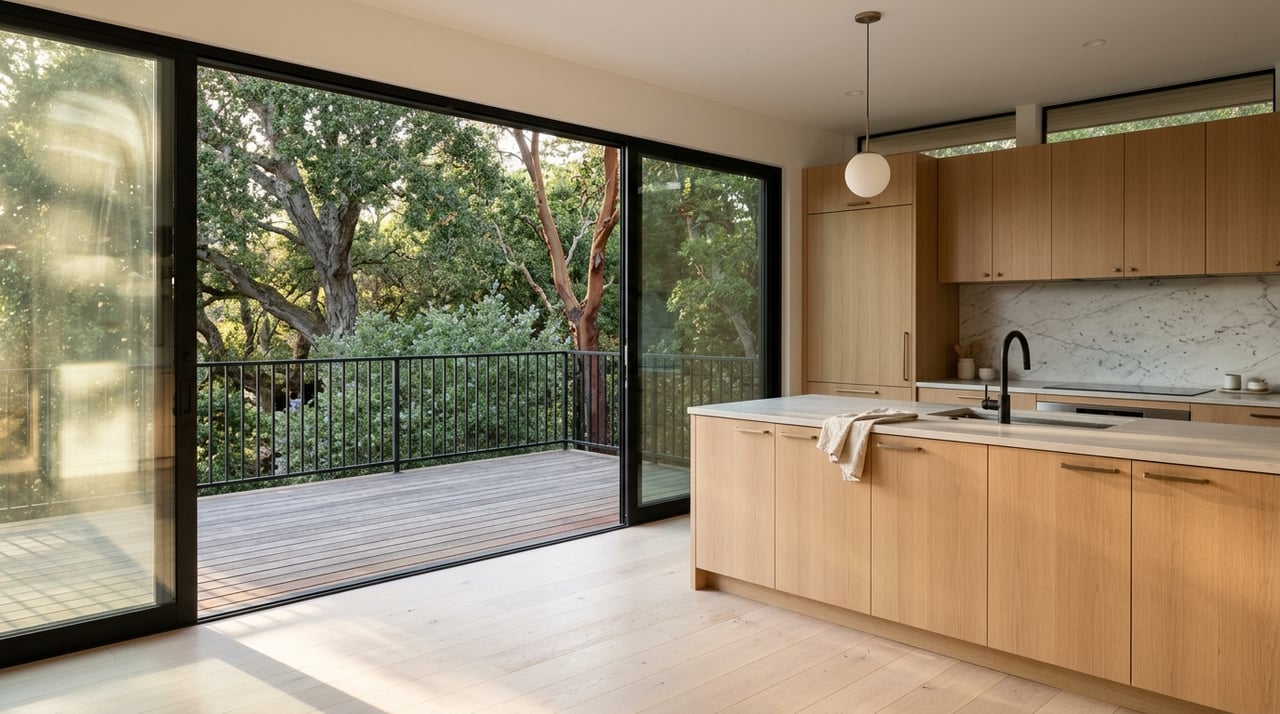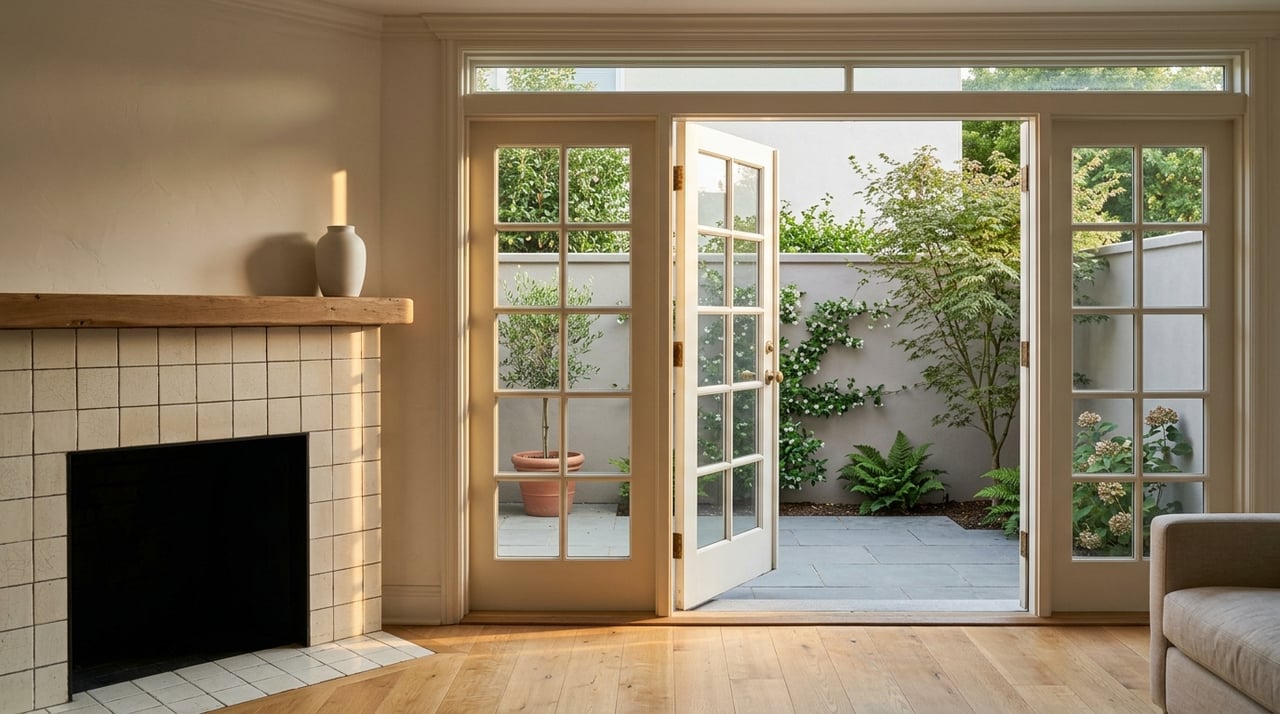
If you are selling in Elmwood, you are not just selling square footage. You are selling a feeling that starts at the front walk, continues through a character-filled interior, and extends into daily life near College Avenue. When your marketing tells that story clearly, buyers can picture themselves there faster and with more confidence. Let’s dive in.
Why story matters in Elmwood
Elmwood has a distinct identity, and that matters when you prepare a home for market. Local history traces the neighborhood name back to a 1905 real estate brochure, and the area is known for Craftsman houses, tree-lined streets, and small local stores.
Its commercial center along College Avenue adds another layer to the story. Berkeley describes Elmwood as a compact district near the Berkeley-Oakland border with a walkable mix of food, retail, and neighborhood-serving businesses, plus very low vacancy. For buyers, that can translate into a lifestyle narrative built around character, convenience, and an easy rhythm of daily errands.
That is why story-driven staging works especially well here. Instead of making a home feel generic, the goal is to present it as polished, welcoming, and true to its setting.
Start with the spaces buyers notice most
Staging works because it helps buyers imagine living in the home. In NAR’s 2025 Profile of Home Staging, 83% of buyers’ agents said staging made it easier for a buyer to envision the property as a future home.
The same report also showed potential payoff for sellers. Twenty-nine percent of agents said staging led to a 1% to 10% increase in the dollar value offered, and 49% said it reduced time on market.
For most Elmwood homes, the smartest sequence is to stage the spaces that shape first impressions and daily use. Based on NAR’s findings about the rooms most often staged, that usually means focusing on these areas first:
- Entry
- Living room
- Primary bedroom
- Dining room
- Kitchen
- Outdoor space such as a porch, patio, or yard
In Elmwood, that order makes sense. Buyers often respond first to the arrival experience, then to the main gathering spaces, and finally to how the home connects to outdoor living and the neighborhood beyond.
Keep original character visible
Elmwood’s housing stock often carries historic charm, especially in older Craftsman-style homes. That means staging should support the architecture, not compete with it.
If your home has original millwork, built-ins, window details, or a gracious front porch, those elements should stay visible. Clean lines, lighter furnishings, edited accessories, and a restrained color palette usually help the home photograph well while keeping period details in view.
This is where story-driven staging becomes more than decorating. You want buyers to notice the craftsmanship, feel the warmth of the rooms, and understand how the home fits the neighborhood’s character.
Focus your budget on high-impact prep
Not every listing needs full-scale furniture rental. NAR’s 2025 report shows that many of the most common seller recommendations are simpler and more cost-conscious.
The prep items most often recommended were:
- Decluttering
- Cleaning the entire home
- Enhancing curb appeal
- Professional photos
- Minor repairs
- Carpet cleaning
- Depersonalizing
- Paint touch-ups or repainting
- Landscaping
- Re-grouting tile
For Elmwood sellers, that usually points to modest but visible improvements over major renovations. A clean, calm, well-maintained home tends to support the neighborhood story better than an overdone makeover that hides what makes the property unique.
At the same time, hands-on pre-listing guidance matters. When updates are selected carefully and completed in the right order, you can improve how the home shows in person and online while keeping your eye on net proceeds.
Shape the buyer story from the front door
The most effective story-driven staging starts before a buyer enters the home. In Elmwood, the exterior often sets the tone for everything that follows.
A tidy path, clean porch, simple plantings, fresh hardware, and a welcoming front door can frame the property as cared for and move-in ready. If the home sits on a tree-lined street, your presentation should make that setting part of the visual experience.
Inside, the story should unfold naturally. A living room can suggest conversation and comfort. A dining area can show how the home gathers people together. A kitchen can feel efficient, bright, and connected to daily routines.
Then finish the story with outdoor space. Even a small porch or patio can help buyers imagine morning coffee, fresh air, or a quiet transition from home to neighborhood.
Use floor plans and photos strategically
Story-driven marketing is not only about staging. It also depends on how clearly the home is presented online.
NAR’s 2025 staging findings show that buyers’ agents viewed photos, physical staging, videos, and virtual tours as highly important to clients. On the seller side, agents rated photos as especially important.
Zillow’s 2025 housing trends report adds an important detail for smaller homes and condos. In that survey, 33% of prospective buyers ranked floor plans as the most important listing feature, ahead of high-resolution photos, 3D or virtual tours, written descriptions, and video. In fact, 86% said they were more likely to view a home if the listing included a floor plan they liked.
That matters in and around College Avenue, where Berkeley notes a mix of residential and commercial uses, including medium- to high-density housing. In tighter spaces, layout clarity, storage, and scale become central to the story.
For that reason, your online presentation should work as a package:
- Floor plan to explain layout
- High-resolution photography to capture light, finishes, and flow
- Video to extend the story
- Virtual tour or walkthrough to support scale and movement through the home
Video still has value, but it should not carry the whole listing on its own. In Elmwood, its best role is to connect the interior to the porch, patio, street presence, and the nearby rhythm of College Avenue.
Make the digital story accurate
There is a difference between polished and misleading. NAR reported that 48% of agents said buyers expected homes to look like they were staged on TV, and 58% said buyers were disappointed when the home did not match that expectation.
That is a reminder to keep marketing aspirational but honest. The photos, video, and staging should elevate the home while still reflecting what a buyer will actually experience in person.
This is especially important in a neighborhood like Elmwood, where buyers may be responding to both emotional appeal and architectural detail. Accuracy builds trust, and trust supports stronger offers.
Check historic rules before exterior changes
If you are planning exterior updates before listing, pause first and verify the property status. The City of Berkeley says that if a home is a City Landmark, Structure of Merit, or located in a Historic District, exterior alterations require a Structural Alteration Permit approved by the Landmarks Preservation Commission before building permit consideration.
The city also notes that applications require photos, a written project description, plans, and color or material boards. So before repainting, replacing details, or altering visible exterior elements, make sure you understand whether approvals are needed.
That extra step can protect your timeline and help you avoid spending money in the wrong order.
Address visible condition issues thoughtfully
Some pre-listing decisions go beyond staging but still affect buyer response. For older Elmwood homes, visible condition issues can shape how buyers interpret upkeep and future maintenance.
Berkeley notes that wood-framed pre-1980 houses with raised foundations or crawl spaces may qualify for earthquake retrofit grants, and the city specifically highlights bracing and bolting as important in older homes. While that is not a staging choice, it can become part of a seller’s broader preparation plan if condition concerns are obvious.
The key is to focus on improvements that support presentation, reduce distractions, and strengthen buyer confidence. That approach aligns well with a seller-first strategy centered on better marketing and stronger net results.
Why this approach fits Elmwood sellers
Elmwood buyers are often responding to more than finishes alone. They are weighing character, layout, curb appeal, and how the home connects to a well-known Berkeley setting.
That is why story-driven staging can be so effective here. It helps you present the home as a complete experience, not just a list of features.
For sellers, the real advantage is clarity. When the home is prepared thoughtfully, marketed with strong visuals, and positioned around the right neighborhood story, buyers can understand its value faster. That can support stronger interest, better momentum, and a more confident path to market.
If you are preparing to sell in Elmwood, a tailored plan can help you decide what to update, what to preserve, and how to bring the story to life. To start that conversation, connect with Tomaj Trenda.
FAQs
What does story-driven staging mean for an Elmwood home?
- It means presenting the home in a way that highlights its character, supports daily-life appeal, and connects the property to Elmwood’s tree-lined setting and College Avenue lifestyle.
Which rooms matter most when staging an Elmwood listing?
- The highest-priority spaces are usually the living room, primary bedroom, dining room, kitchen, and outdoor areas, with the entry also playing a big role in first impressions.
How much staging do Elmwood sellers usually need?
- Many sellers can make a strong impact with decluttering, deep cleaning, curb appeal improvements, minor repairs, and professional photography rather than full furniture replacement throughout the home.
Why are floor plans important for Elmwood condos or smaller homes?
- Floor plans help buyers understand layout, scale, and flow, and Zillow’s 2025 report found they were the most important listing feature for the largest share of prospective buyers.
Should Elmwood sellers invest in video marketing?
- Video can help, but it usually works best as support for floor plans, photography, and tours rather than as the main listing tool.
Can you change the exterior of an Elmwood home before listing?
- You should first check whether the property is a City Landmark, Structure of Merit, or in a Historic District, because Berkeley requires specific review and permits for exterior alterations on designated properties.