Open three tabs for the same Rockridge address on the same afternoon and you can walk away with three different neighborhoods. One site quotes a median list price in the $800,000s. Another puts the median sold price near $1.9 million. A third lands closer to $2.1 million. None of these numbers is wrong. They are measuring different things, in different months, off a sample so small that a single closing can move the headline figure by hundreds of thousands of dollars.
That volatility is not a data glitch a buyer should shrug off before moving on to the next neighborhood on their list. It is the first visible sign of something happening on the ground in Rockridge right now: a state law that took effect this year is starting to split one neighborhood into two different real estate stories, and the pricing confusion online is what that split looks like before the market has fully caught up to it.
The number changes because the sample barely exists
Rockridge is not a high-volume market. Redfin's own tracking shows five homes sold in the neighborhood in August 2026, down from eight the same month a year earlier, with the typical home taking 20 days to sell compared with 14 days the year before. That is the entire dataset behind a "median" in a given month. When you're looking at five sales, one large Craftsman on a double lot and one small updated bungalow can swing the midpoint by a six-figure amount depending on which of them happens to close.
That volatility shows up clearly if you line up the numbers by month instead of treating them as one static fact:
| Source | Figure | Time window |
|---|---|---|
| BAREIS MLS median list price | $849,000 | April 2026 |
| 12-month median sale price (mortgage lender analysis) | $1.6 million | Reported March 2026 |
| Zillow Home Value Index | $1.835 million | June 30, 2026 |
| Redfin median sold price (3-month rolling) | $1.9 million | Three months ending August 2026 |
| Houseberry median price | $2.09 million | 2026 |
| Redfin median sold price (single month) | $2,637,500 | February 2026 |
The gap between the February 2026 figure and the August 2026 figure comes from the same source, six months apart, and it is a swing of more than $700,000. That is not two different Rockridges. It is the same thin market producing two very different snapshots because the sample size never gets large enough to smooth out.
Part of the confusion also comes from mixing list price with sold price. A median list price, like the $849,000 figure pulled from BAREIS MLS in April 2026, reflects whatever happens to be actively on the market that month, which in a neighborhood with a mix of Craftsman houses and smaller condos near Broadway Terrace can skew toward the cheaper end simply because that is what's sitting unsold. A median sold price captures what actually closed, which in Rockridge tends to be dominated by larger, updated single-family homes that clear $1.5 million and up. Comparing the two is like comparing the price tag in a store window to the receipt from checkout. They describe the same store, not the same transaction.
The deeper reason: Rockridge is quietly becoming two markets
The volume problem explains why the number jumps around month to month. It does not explain why the spread has been widening this year specifically. For that, you have to look at what changed on July 1, 2026.
That is the date California's SB 79 took effect, a state law that overrides local zoning to allow taller, denser buildings within a set radius of transit stations. Rockridge BART falls into the law's Tier 1 category, its highest density tier, reserved for stations served by heavy rail. So does MacArthur BART. Some parts of Oakland, including Downtown and West Oakland, qualified for a temporary pause on the new density rules while the city studies where growth should go. Rockridge did not. The state's own resource mapping classifies the area as "high-resource," which under SB 79 disqualifies it from that pause, according to the Rockridge Community Planning Council's own explainer on the law.
Oakland's City Council could still have carved out a local exclusion to buy time for community input, the way it did elsewhere. On March 3, 2026, it went the other direction instead. Councilmember Zac Unger, who represents Rockridge, introduced and passed an amendment specifically removing the Rockridge, MacArthur, and Ashby BART areas from a broader exclusion the Planning Department had proposed, meaning the half-mile radius around Rockridge BART moved straight to full SB 79 standards rather than getting the slower, parcel-by-parcel alternative plan process. Rockridge Voice, a local outlet covering the neighborhood, reported that the item moved quickly and that few residents had followed it before the vote.
What that means on paper is significant. Oakland's own draft General Plan language, cited by Rockridge Voice, describes replacing the area around the station with a transit hub comparable to present-day Broadway, with buildings up to 95 feet tall surrounding BART and a mix of housing and retail lining College Avenue. Separately from the state law, BART itself has spent several years studying two of its own parking parcels on the west side of College Avenue for housing, a project that would raise the maximum building height on those two specific sites from 35 feet to 175 feet. Those two parcels hold only 140 of the station's 886 total parking spaces, and most of the rest of the lot is owned by Caltrans and can't be built on regardless, which is part of why BART's plan has stayed confined to those two sites rather than the whole parking field.
None of this is settled. It is, however, already generating specific, named activity on the ground:
- A rumored large-scale senior housing project on the Trader Joe's site, using both its front and back parking lots, which Councilmember Unger has acknowledged hearing about but says he has not seen a formal application for.
- Two separate proposed luxury senior housing towers that drew Rockridge residents to a third community meeting with Unger within a two-month span, according to Rockridge Voice's coverage this summer.
- Oakland's Phase 2 General Plan Update, which will formally decide how much of this density gets built where, with adoption not expected until late spring 2027.
What stays the same
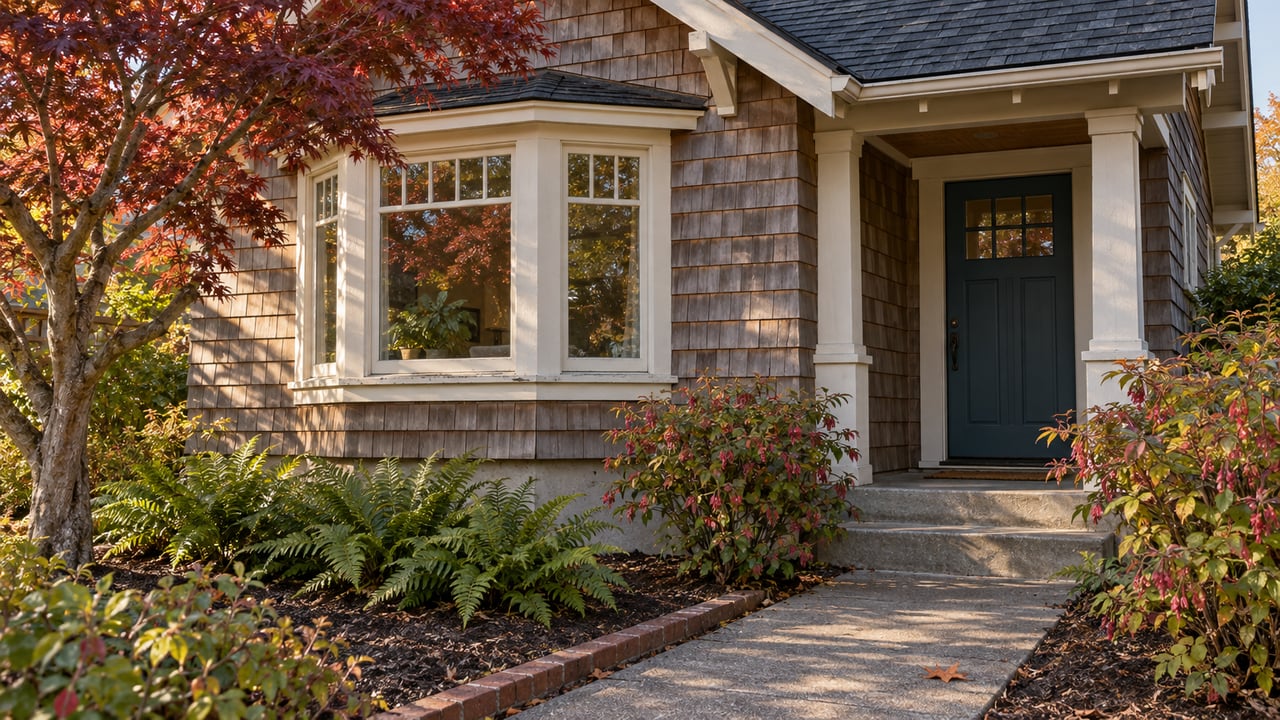
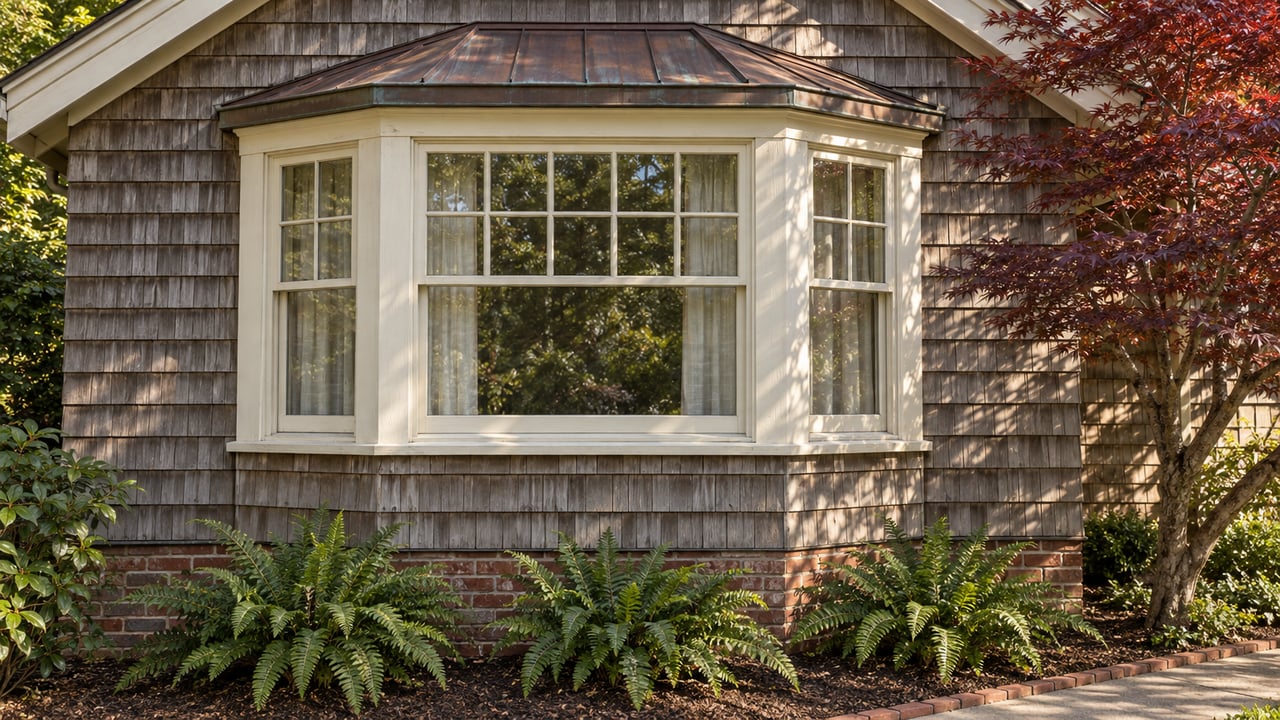
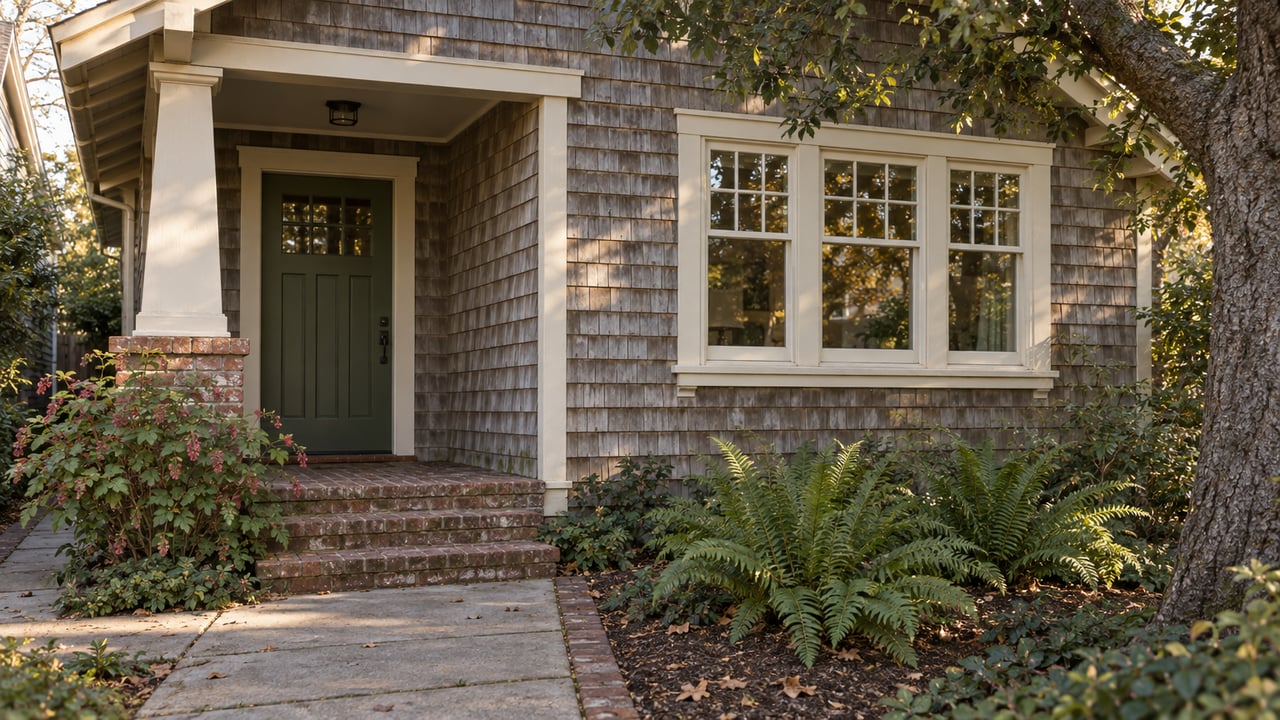
None of this touches the interior of the neighborhood the same way. Even sources writing directly about the upzoning are careful to draw a line between the station-adjacent blocks and the residential core built out along streets like Lawton, Manila, and Shafter, where the Craftsman bungalow stock that gives Rockridge its identity is expected to hold its character in the near term regardless of what gets approved near BART. The upzoning is a station-area story first. The blocks a few minutes' walk up the hill are a different conversation entirely, at least for now.
That distinction is the piece missing from most of the median-price headlines. Those figures aren't just products of small sample sizes; they may also reflect activity in two physically different parts of the same neighborhood boundary, one of which is entering a multi-year rezoning process and one of which isn't.
What this means if you're comparing Rockridge to somewhere else
If you're weighing Rockridge against another East Bay neighborhood using a single median figure, the honest first question isn't which number is right. It's which Rockridge that number is describing. A three-bedroom on Manila Avenue and a condo two blocks from the BART turnstile are not competing in the same market segment, and over the next several years they may not even be subject to the same zoning rules. A seller pricing a home near the station should expect more buyer questions about future development than a seller four blocks up the hill would ever hear. A buyer comparing Rockridge's median to a neighborhood without a Tier 1 transit station nearby is, in a real sense, comparing a number in transition to one that isn't.
Common questions about the Rockridge number problem
Does the SB 79 change mean Rockridge is about to fill with apartment towers? Not immediately, and not everywhere. The Tier 1 designation applies within a half-mile of Rockridge BART, Oakland's General Plan Update that will settle the details isn't expected until late spring 2027, and even BART's own housing proposal for its two station-area parcels is still in a conceptual planning stage.
Is the Trader Joe's site project actually happening? As of this year, it's a rumor Councilmember Unger has said he's heard, not a confirmed application. Worth watching, not worth treating as settled.
How do I compare Rockridge's median price to a neighborhood without this complication? Ask what window of time and what sample size sit behind the number, whether it reflects list price or sold price, and whether it includes any of the station-adjacent inventory that's currently subject to a rezoning process the rest of the neighborhood isn't.
If you're trying to figure out whether a specific Rockridge listing is priced against the stable Craftsman core or against a number still in motion near the station, that's exactly the kind of block-by-block read Tomaj Trenda works through with East Bay buyers and sellers before a price ever goes on paper.
This article is general information, not legal, tax or financial advice. Consult a qualified professional about your situation.