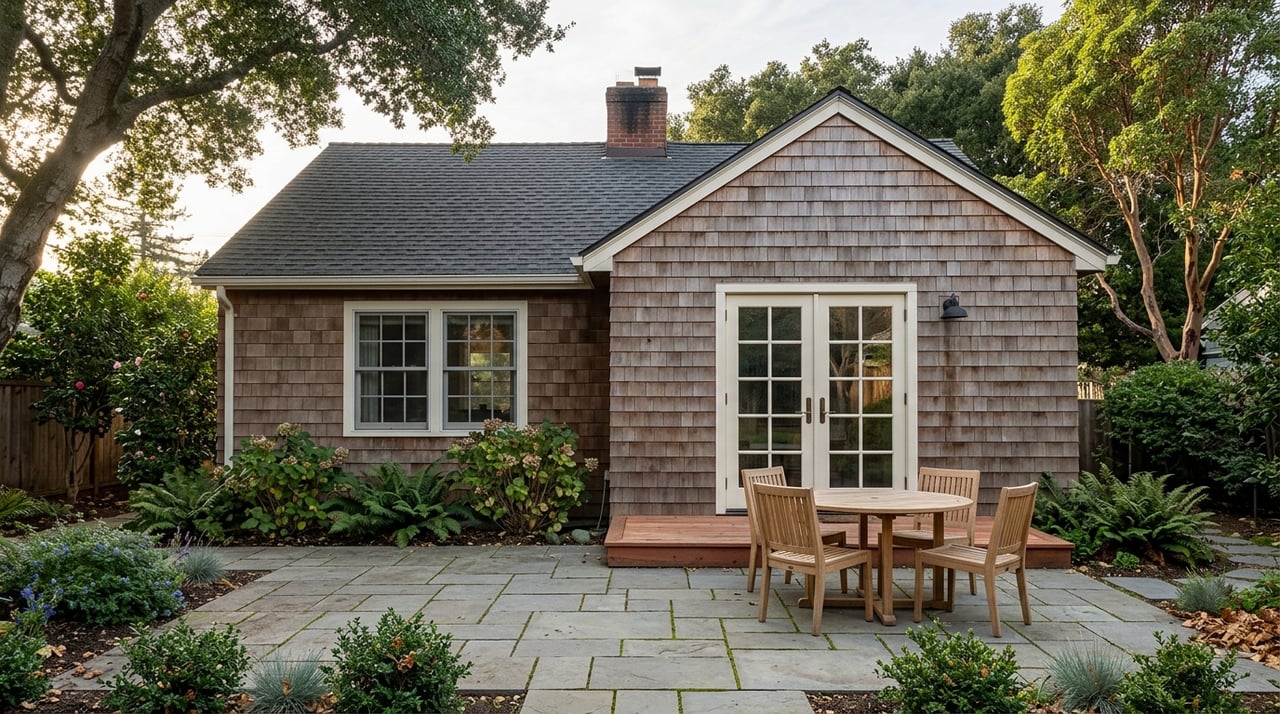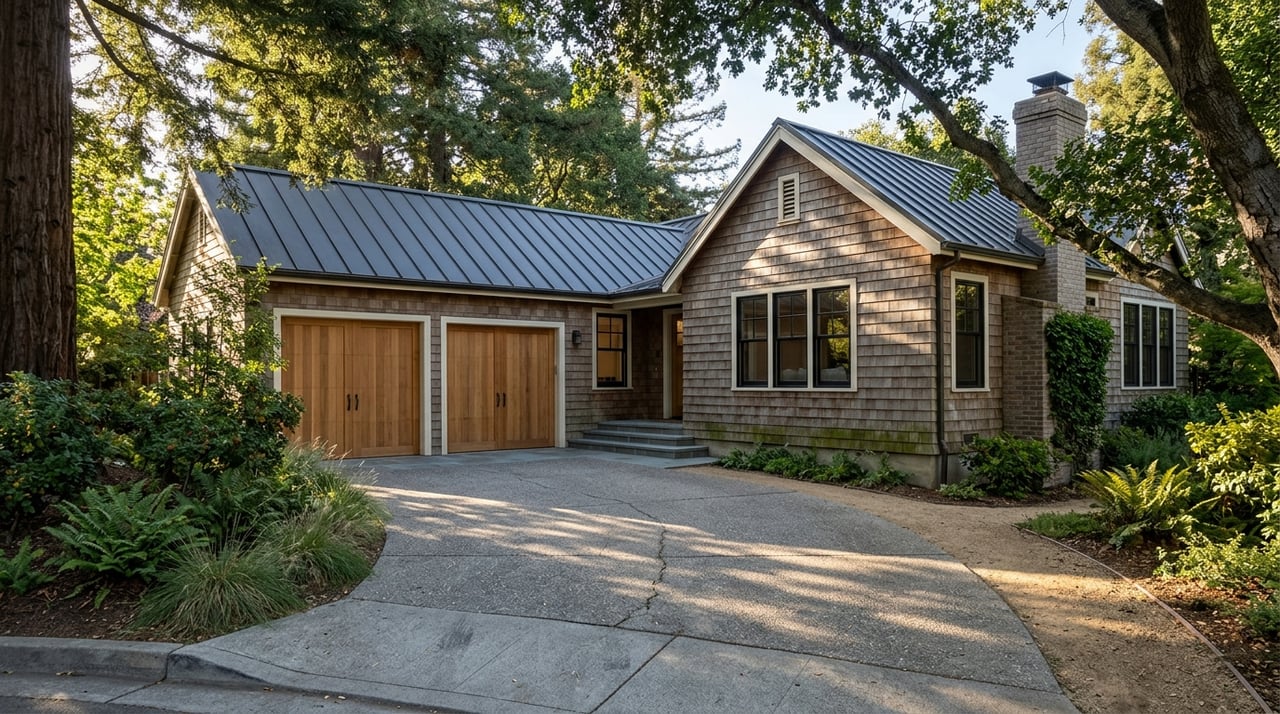
Thinking about moving up from Berkeley to Orinda? You are not alone, and the jump can be exciting, but it also comes with real planning decisions around budget, timing, and lifestyle. If you want to make the move with less guesswork and more confidence, this guide will help you understand the trade-offs, the numbers, and the smartest ways to structure the transition. Let’s dive in.
Berkeley vs. Orinda Market
A move from Berkeley to Orinda is usually a true move-up purchase, not a lateral move. In March 2026, Berkeley’s median sale price was $1.55 million, while Orinda’s median sale price was $2.265 million, according to Redfin’s Berkeley housing market data. That is a gap of about $715,000.
Price per square foot tells a slightly different story. Berkeley came in at $989 per square foot, compared with $782 per square foot in Orinda, which suggests buyers may get a different mix of space, lot size, and home type as they move markets. Both cities were moving quickly, with homes generally selling in about two weeks or less, so speed and preparation matter on both sides of the transaction.
The wider Bay Area backdrop also supports this move-up trend. Redfin reported a 14% year-over-year increase in the Bay Area metro median sale price in March 2026, compared with just 1% nationally. In plain terms, if you are moving from Berkeley to Orinda, you are entering another competitive market, not shopping for a discount.
What Changes in Orinda
The biggest shift is often not just the house. It is your daily routine.
Berkeley is more transit-rich and urban in feel. The city notes that public transportation is centered on AC Transit and BART, and Berkeley includes Downtown Berkeley, North Berkeley, and Ashby BART stations. Berkeley also has more than 50 parks, with examples that include Aquatic Park, the Berkeley Rose Garden, and the Berkeley Waterfront.
Orinda offers a different rhythm. BART’s Orinda Station sits on the Antioch-SFIA/Millbrae line, and BART notes that parking is available at all times. The city’s trail system connects downtown Orinda to regional trails and Lafayette Reservoir, and Orinda Parks & Recreation describes a network of local parks and trail access, including Orinda Oaks as a trailhead with parking, restrooms, water fountains, and picnic tables.
For many households, that means a practical lifestyle change. You may move from a more walk-and-transit routine in Berkeley to a more drive-first or park-and-ride routine in Orinda. In return, your weekends may become more centered on trails, open space, and outdoor recreation.
Home Types Shape the Move
Your Berkeley home and your future Orinda home may attract very different buyer pools and search criteria. That is important when you are trying to line up a sale and a purchase.
According to the City of Berkeley Housing Element, Berkeley’s housing stock is mixed:
- 41% single-family detached
- 4% single-family attached
- 20% multifamily 2 to 4 units
- 35% multifamily 5+ units
Orinda’s housing mix is much more focused on detached homes. The same source notes that Orinda is about 93% single-family units and about 5% multifamily.
That matters because your Berkeley sale may involve a broader range of buyers depending on whether you own a single-family home, duplex, or another multifamily property. Your Orinda search, by contrast, is more likely to focus on detached-home features such as layout, condition, setting, and lot characteristics.
Sell First or Buy First?
This is usually the most important strategic question.
For most Berkeley-to-Orinda move-up sellers, the cleanest sequence is to sell first, then buy. That approach gives you a clearer picture of your proceeds and reduces the risk of trying to sync two competitive transactions without knowing exactly when your Berkeley sale will close or how much net cash you will have available.
That said, there is no one-size-fits-all answer. If you need to secure an Orinda home before your Berkeley property closes, a buy-first plan may still be possible. The right structure depends on your cash reserves, financing, risk tolerance, and how flexible you can be on move timing.
Why Selling First Often Wins
Selling first can give you several advantages:
- You know your actual Berkeley sale proceeds
- You reduce uncertainty around your down payment
- You avoid carrying two homes unless you choose to
- You can write a stronger Orinda offer once your sale is complete or well underway
In a competitive market, certainty matters. If your Berkeley home is well prepared and well marketed, a strong sale can put you in a better position when it is time to compete for the Orinda property you want.
This is where preparation becomes a major lever. A thoughtful pre-listing strategy, smart presentation, and polished launch can help reduce delays and improve your negotiating position before you begin writing offers in Orinda.
Using Contingencies Carefully
If you plan to buy in Orinda before your Berkeley home fully closes, contingencies can help manage risk. The National Association of Realtors consumer guide notes that home-sale contingencies and home-close contingencies are valid contract terms.
A home-sale contingency generally protects you if your current home does not sell. A home-close contingency is narrower and ties the purchase to your current home successfully closing by a certain date. In a competitive market, some sellers may prefer fewer contingencies, so the question is not whether these terms exist, but whether they make your offer attractive enough to win.
NAR also notes that sellers can continue marketing a property under a continue-to-show arrangement, and a kick-out clause can allow a seller to accept a stronger offer if the first buyer cannot perform. If you are buying with a contingency, these terms are useful to understand because they can affect how secure your contract really is.
When a Bridge Loan May Help
A bridge or swing loan can be useful when you need to close on an Orinda home before your Berkeley sale is done. According to Fannie Mae’s selling guide, bridge debt may count in your debt-to-income ratio unless there is a fully executed sales contract on your current home and financing contingencies have been cleared.
That detail matters more than many buyers expect. A bridge loan can create flexibility, but it can also affect your borrowing power if your Berkeley home is not far enough along in the sale process. Before choosing this route, you want a clear financing conversation that looks at timing, reserves, and how the extra debt will be viewed.
A buy-first strategy can work, but it usually works best when you have a strong financial cushion and a very clear plan.
Build a Stronger Orinda Offer
In a fast Bay Area market, offer strength is about more than price. Fannie Mae’s homebuyer guidance notes that contingencies, waived contingencies, timing details, and escalation clauses are all normal parts of an offer.
That means your offer strategy in Orinda should account for:
- Purchase price
- Down payment strength
- Contingency structure
- Closing timeline
- Flexibility around possession
- Any escalation terms, if appropriate
The goal is to make your offer clear, credible, and aligned with the seller’s priorities. Sometimes that means writing the highest price. Sometimes it means reducing uncertainty through cleaner timing and fewer moving parts.
Plan for Overlap Time
Even with good coordination, most move-up transactions involve at least some overlap. You may need a short window between closings, temporary storage, or a negotiated post-closing occupancy period.
NAR notes that rent-back clauses are common when a seller needs short-term occupancy after closing, and that these arrangements should be tied to specific dates and terms. If your Berkeley sale closes before you can move into Orinda, or if you need extra time after closing to complete your own move, a rent-back can create useful breathing room.
A practical move-up plan should account for:
- Cash reserves for overlap costs
- A realistic moving timeline
- Storage or temporary housing if needed
- Closing dates that reduce stress where possible
In a fast market, flexibility is often a real advantage.
Make the Berkeley Sale Count
Because Orinda is a higher-priced market, your Berkeley sale plays a major role in the success of the move. Every decision that affects your sale price, timeline, and net proceeds can also affect what you can do on the buy side.
If your home would benefit from cosmetic updates, repairs, staging, or stronger presentation, those steps may be worth considering before you go live. For move-up sellers, the goal is not just to sell. It is to maximize net proceeds and create the strongest possible launch into your next purchase.
That is especially true in Berkeley, where the housing stock is varied and buyers can be comparing very different types of homes and properties. A strategic sale can create more than profit. It can create leverage.
A Smarter Berkeley-to-Orinda Plan
A successful move-up usually comes down to sequencing, preparation, and clarity. You need to understand the price gap, decide whether to sell first or buy first, and match your financing and offer strategy to today’s competitive conditions.
Just as important, you want to be realistic about the lifestyle change. Orinda can offer a more trail- and residential-oriented setting, while Berkeley provides denser transit access and a different day-to-day pace. When you plan for both the financial side and the practical side, the move becomes much easier to manage.
If you are preparing to sell in Berkeley and move up to Orinda, Tomaj Trenda can help you build a seller-first plan that strengthens your Berkeley sale and supports a smoother transition into your next home.
FAQs
Should I sell my Berkeley home before buying in Orinda?
- For many move-up sellers, selling first is the cleaner option because it locks in your proceeds and reduces timing uncertainty in a competitive Orinda purchase.
Can I buy an Orinda home with a home-sale contingency?
- Yes. NAR notes that home-sale and home-close contingencies are valid contract terms, though the competitiveness of your offer will depend on the seller’s preferences and the overall market.
Is a bridge loan useful for a Berkeley-to-Orinda move-up purchase?
- It can be, especially if you need to buy before your Berkeley home closes, but Fannie Mae says that bridge debt may count toward debt-to-income calculations unless your current home is already under contract and financing contingencies have been cleared.
What lifestyle changes should I expect when moving from Berkeley to Orinda?
- Many households shift from Berkeley’s transit-rich, bus-and-BART routine to a more drive-first or park-and-ride pattern in Orinda, with more trail and open-space access becoming part of daily life.
How does housing stock differ between Berkeley and Orinda?
- Berkeley has a more mixed housing stock that includes single-family and multifamily properties, while Orinda is much more heavily oriented toward detached single-family homes.