If you have ever wondered why a modest Albany bungalow can draw so much attention, the answer is bigger than square footage. In Albany, buyers are often responding to a rare mix of historic character, limited supply, walkable daily living, and the chance to improve a home over time. If you are thinking about selling, understanding that demand can help you position your property more strategically. Let’s dive in.
Albany bungalows are in short supply
Albany is a very small city, just 1.79 square miles, with an estimated 2024 population of 19,439. That limited land area matters because it naturally constrains how many detached homes can exist in the city at all. When buyers want a single-family home in Albany, they are competing for a finite inventory.
That scarcity is tied to the city’s development history. Albany’s residential design guidance says most neighborhoods were subdivided in the first three decades of the 20th century, and much of the housing stock was built in the 1920s. More than half of Albany’s housing was built before 1950, and many homes built between 1900 and 1950 were single-family detached bungalows.
The lot pattern also helps explain the feel of the city. Typical lots are about 25 to 50 feet wide and 100 feet deep, which created a compact, established streetscape rather than large, spread-out parcels. The city also notes that more than 1,600 single-family homes were built in the 1920s, giving Albany its consistent neighborhood fabric.
Historic character still fits today’s buyers
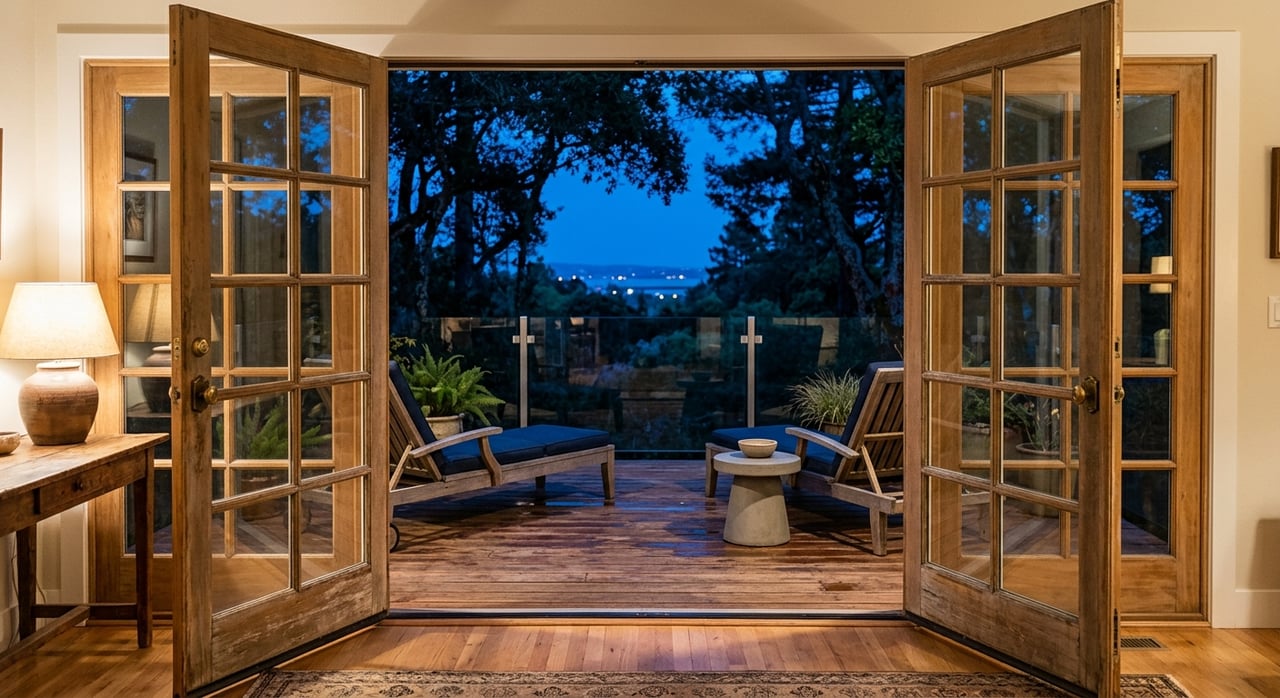
Albany bungalows remain popular in part because their design still works for the way many East Bay buyers want to live. The classic bungalow form is known for one- to two-story layouts, broad gables, porches, and practical interior flow. In California, that style has long matched a mild climate and a preference for homes that connect naturally to outdoor space.
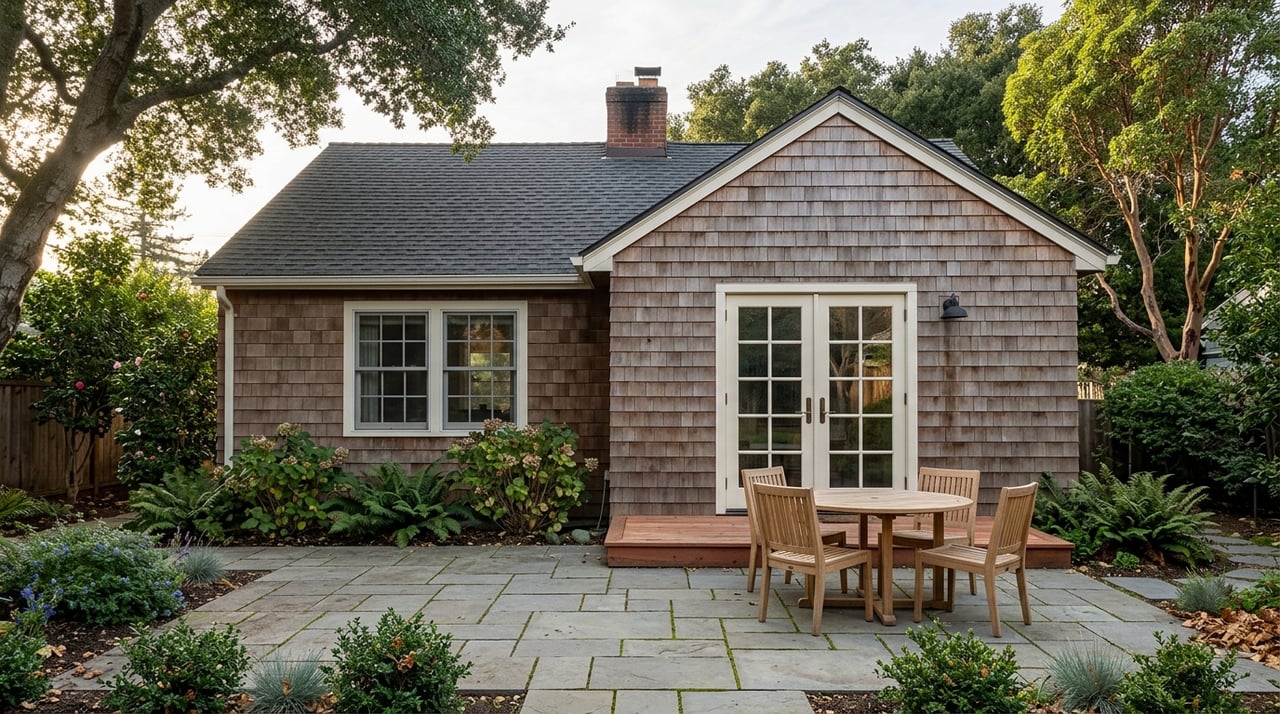
In Albany, that appeal shows up in day-to-day livability. Many of these homes offer compact but functional floor plans, usable yards, and a sense of warmth that newer homes do not always replicate. A smaller footprint can feel efficient rather than limiting when the layout is well used.
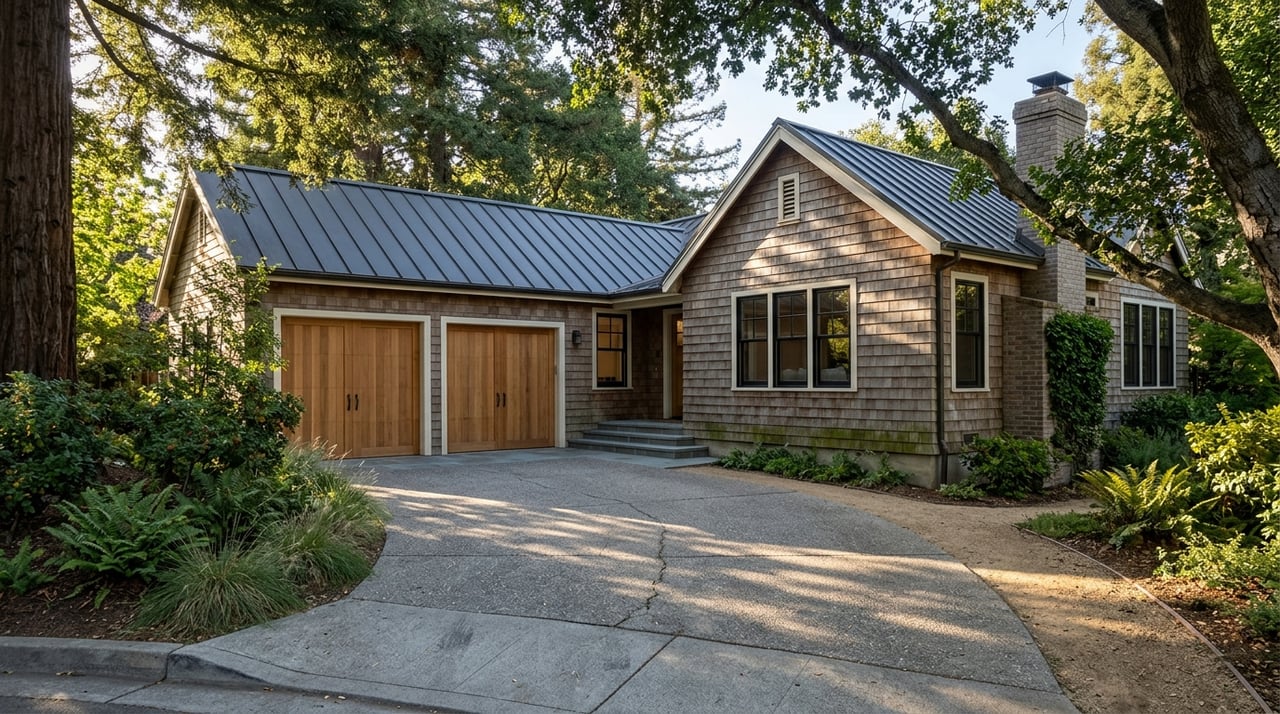
The city’s design guidelines also make clear that original features from 1910 to 1950 are considered an asset to the community. Details like clay tile roofs, picture windows, and custom wood garage doors continue to add visual appeal. For many buyers, that character is part of the value proposition, not a side note.
Albany offers a lifestyle beyond the house
Demand for bungalows is also reinforced by what surrounds them. Albany’s active transportation planning describes Solano Avenue as the city’s primary neighborhood commercial district and a walking-oriented Main Street within half a mile of nearly all residents. That kind of access can make a smaller home feel connected to a much larger daily lifestyle.
Albany’s transportation network adds to that convenience. The city developed as a streetcar suburb, and nearly all residents live within 800 feet of a bus stop. Bus routes connect Albany with both El Cerrito Plaza and North Berkeley BART stations, and the city supports walking, biking, and rolling through its Complete Streets policy.
For buyers, that means an Albany bungalow is rarely just about the structure itself. It is also about being able to run errands, meet friends, commute, and enjoy the neighborhood without relying on long drives for every activity. That convenience supports steady demand.
Parks and open space strengthen the appeal
Albany’s outdoor access adds another layer of value. The Bay Trail is part of a planned 500-mile regional trail network that connects Albany to the wider Bay Area. The Ohlone Greenway includes ADA-accessible paved walking trails and bicycle paths, creating another everyday recreation option close to home.
The city’s parks system also contributes to quality of life. Albany includes Albany Hill, the waterfront, and creek corridors, and the waterfront alone includes about 88 acres of publicly owned parkland. For buyers considering a compact bungalow, nearby open space can make the home feel more expansive in practice.
This is one reason Albany homes often punch above their size. A house with a modest interior footprint can still offer strong lifestyle value when it sits in a city with trails, parks, and a walkable commercial corridor nearby.
School access supports buyer interest
Local services also play a role in demand. Albany Unified School District describes itself as small, diverse, and high-achieving, serving the city with three elementary schools, one middle school, one high school, one continuation high school, and a preschool. The city also states that Albany schools consistently rank in the 90th percentiles.
For many buyers, clear access to a city-serving school district adds predictability and convenience. Even when a buyer’s priorities differ, schools remain one part of the broader decision-making picture in a city like Albany. In a competitive market, that can help keep interest strong for well-located homes.
Renovation potential keeps bungalows relevant
Another reason Albany bungalows stay in demand is that many offer room to improve without losing what made them appealing in the first place. Older homes often attract buyers who want character now and flexibility later. In Albany, that can be especially appealing because the city provides a framework for thoughtful updates.
Albany offers a pre-approved detached ADU program intended to help speed plan review and reduce permitting costs, though site-specific materials are still required. Depending on the project, that may include a site plan, property survey, soils report, drainage plan, and fire sprinkler details if applicable. For owners thinking long term, that creates an additional path for adding utility to a property.
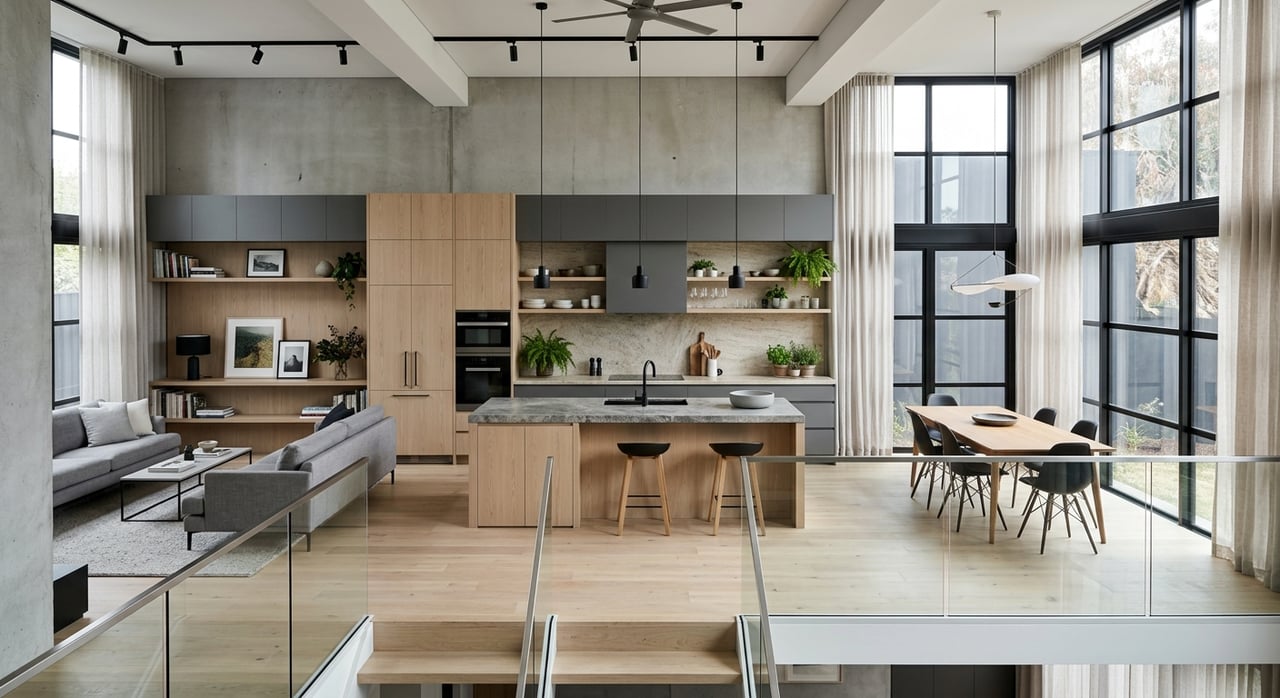
The city’s design guidance also emphasizes compatibility with neighboring homes and preservation of original architectural elements during additions and remodels. It shows that even modest second-story additions can work when they respect the existing building form. That balance matters because buyers often want updated function without sacrificing neighborhood character.
For sellers, this renovation story can be powerful. If your bungalow has solid bones, original charm, and smart improvement potential, those qualities can resonate strongly with Albany buyers. This is exactly where thoughtful pre-listing preparation can make a meaningful difference in how the market responds.
The market shows real competition
Recent market data supports the idea that demand is not just theoretical. Redfin reported that in March 2026, Albany homes sold for a median of $1,267,500, received about seven offers on average, and went pending in about 13 days. It also reported that 64.3 percent of homes sold above list price and gave Albany a competitiveness score of 98 out of 100.
Census QuickFacts add context to that picture. Albany’s 2020 to 2024 ACS data shows a median owner-occupied home value of $1,202,200 and an owner-occupied housing rate of 53.1 percent. Together, those figures reinforce Albany’s profile as a high-value market with limited supply.
When you combine that market pressure with historic housing stock, walkability, transit access, parks, and renovation potential, the ongoing appeal of Albany bungalows makes sense. Buyers are not only purchasing a house style. They are buying into a neighborhood pattern and daily experience that is difficult to recreate.
What this means if you plan to sell
If you own an Albany bungalow, demand alone does not guarantee the best result. The homes that stand out usually pair character with clear presentation, smart pricing, and a strong marketing strategy. Buyers need to see not just what the home is, but why it matters in this specific market.
That is especially true for older homes with untapped upside. A bungalow with original details, a functional lot, and a few well-chosen improvements can often attract more attention than a seller expects. The key is knowing which updates support value and how to tell the property’s story clearly.
For sellers in Albany, that often means leaning into what makes these homes special: historic charm, efficient living, neighborhood convenience, and future flexibility. When those strengths are prepared and marketed well, they can translate into stronger buyer engagement and better sales outcomes.
If you are considering selling an Albany bungalow and want a strategy built around presentation, preparation, and market positioning, connect with Tomaj Trenda for a seller consultation and home valuation.
FAQs
Why are Albany bungalows in high demand?
- Albany bungalows stay in demand because they combine limited historic supply, practical layouts, walkable neighborhood access, transit connections, nearby parks, and renovation potential.
How old are most bungalows in Albany, California?
- Albany’s residential guidelines say many neighborhoods were developed in the first three decades of the 20th century, with much of the housing stock built in the 1920s and more than half of all housing built before 1950.
What makes Albany, California attractive to homebuyers?
- Albany offers a compact city layout, a pedestrian-oriented Solano Avenue business district, broad transit access, trails, waterfront parkland, and an established neighborhood pattern that many buyers find hard to replicate elsewhere.
Can you renovate or add an ADU to an Albany bungalow?
- Albany has a pre-approved detached ADU program designed to help speed plan review, and the city’s design guidelines support additions and remodels that remain compatible with the existing home and surrounding neighborhood.
Is the Albany real estate market competitive?
- Yes. Redfin reported that in March 2026 Albany homes received about seven offers on average, went pending in about 13 days, and that 64.3 percent sold above list price.
What should sellers highlight when listing an Albany bungalow?
- Sellers should highlight architectural character, efficient layout, lot utility, proximity to Solano Avenue and transit, access to parks and trails, and any thoughtful updates or future improvement potential.