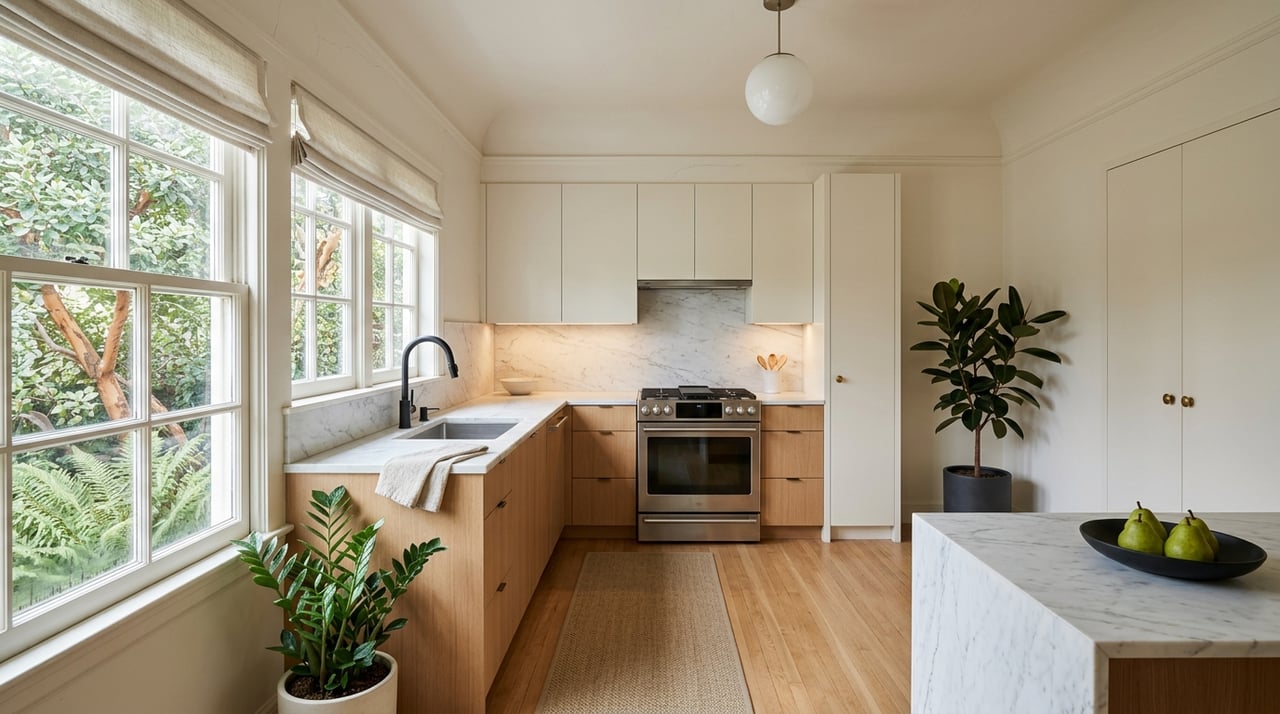
If you are getting ready to sell in Berkeley, one question can shape your entire result: should you renovate before listing, or sell the property as-is? In a market where homes are moving fast and buyers still react strongly to condition, the right answer is rarely one-size-fits-all. This guide will help you weigh cost, timing, buyer appeal, and local risks so you can make a smarter seller decision. Let’s dive in.
Berkeley Condition Matters More Than You Think
Berkeley is a competitive market. Recent data showed homes receiving about six offers on average, selling in around 15 days, with a median sale price of about $1.55 million in March 2026. That kind of demand can make it tempting to assume any home will sell quickly no matter what.
But speed does not mean condition stops mattering. In fact, when pricing is high, even small prep decisions can have an outsized impact on buyer interest and your final net proceeds. In Berkeley, where owner-occupied home values are substantial, presentation and perceived upkeep can influence how buyers compare your home against others.
The local housing stock also changes the conversation. Berkeley’s Housing Element notes that nearly half of the city’s housing units were built before 1939, with a median structure year of 1942. That means many sellers are not deciding between a brand-new home and a fixer, but between targeted preparation and a more complex renovation plan.
Why Older Berkeley Homes Need Strategy
Older homes often come with character, but they can also come with deferred maintenance. The City of Berkeley notes that structures over 30 years old are more likely to need significant rehabilitation, including roof, foundation, and plumbing work. Since most of Berkeley’s housing stock is already well beyond that age, sellers need to think carefully about what to fix and what to leave alone.
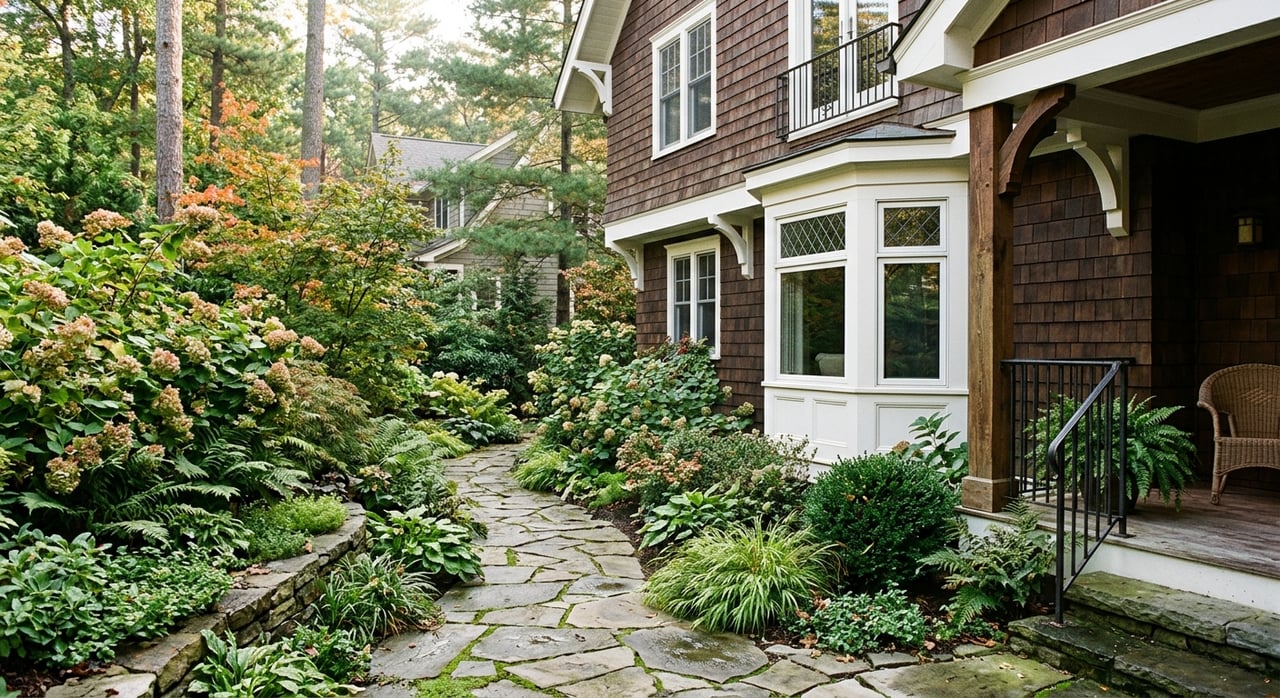
This is especially true in areas where buyers may value location and original details but still notice worn finishes or visible repair issues right away. A home in Central Berkeley, Elmwood, North Berkeley, or the hills may attract strong interest, but buyers can still adjust their offers based on the work they think they will need to take on.
That is why the best seller question is usually not, “Should I fully remodel?” It is more often, “Which improvements will reduce buyer objections without creating unnecessary cost, permit delays, or project risk?”
How Condition Changes Your Buyer Pool
Home condition affects more than appearance. It can change who shows up, how many offers you receive, and how confident buyers feel when they write those offers. According to the 2025 Remodeling Impact Report, 46% of REALTORS® said buyers are less willing to compromise on home condition than they were in the past.
In practical terms, that means a house with obvious cosmetic wear, unfinished repairs, or major visible defects may still sell, but the buyer pool can narrow. You may attract more investors, contractors, or buyers looking for a discount. A home with clean presentation and fewer visible issues can appeal to a broader set of buyers, including those who want a move-in-ready feel.
For Berkeley sellers, this often points to a middle path. You do not always need a full renovation to improve your result. Often, you need to remove the biggest points of friction.
The Three Best Seller Paths
Light Prep and Selective Updates
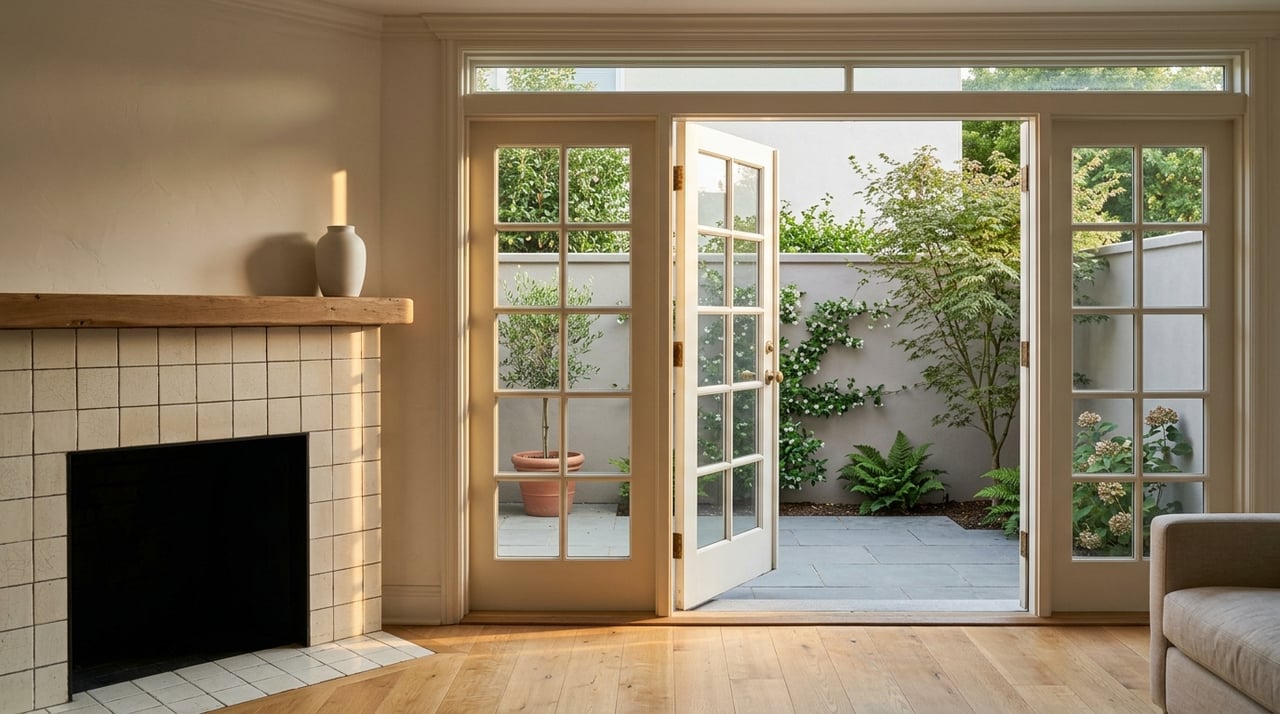
This option works best when your home has solid fundamentals and the needed work is mostly cosmetic. Think fresh paint, minor repairs, landscaping cleanup, lighting updates, and staging. These are the kinds of changes that can improve first impressions without opening the door to a long construction timeline.
For many Berkeley homes, this is the sweet spot. If the layout works, the systems are generally functional, and the biggest challenge is dated presentation, a selective prep plan can help you broaden appeal while keeping risk under control.
Targeted Remodel
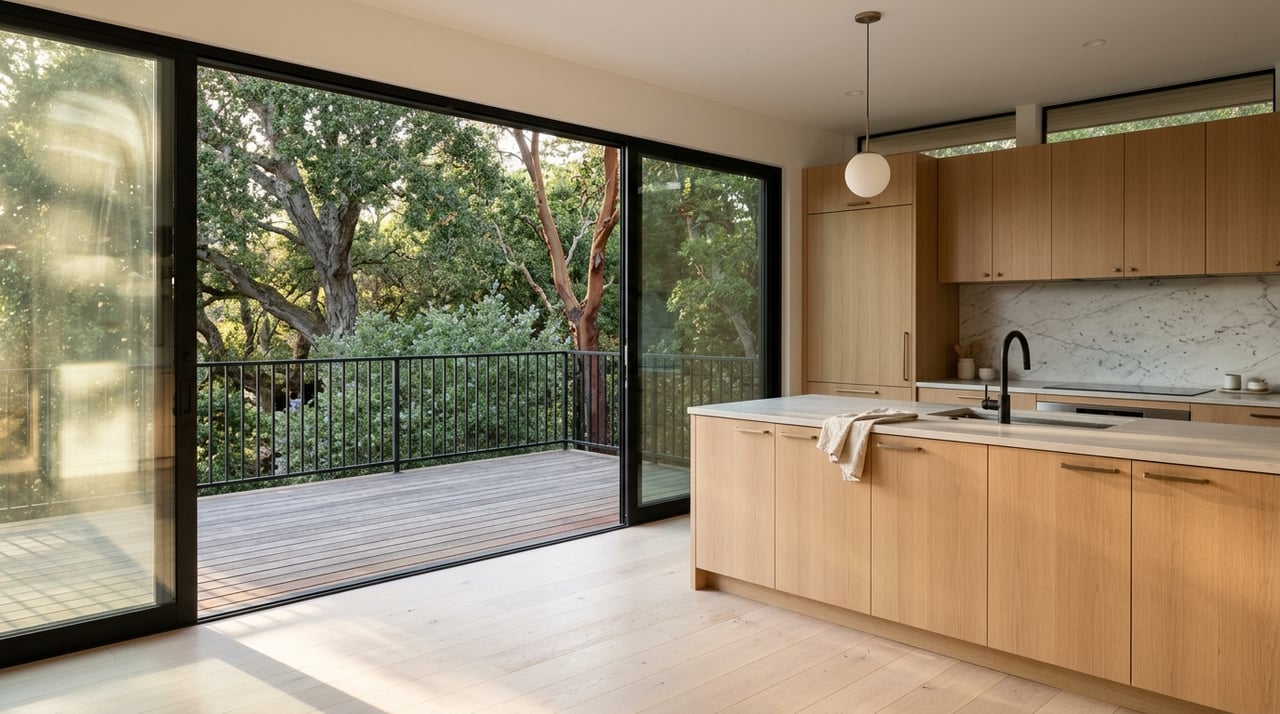
A targeted remodel makes sense when one or two obvious issues are dragging down value. That might be worn flooring, a tired kitchen, weak curb appeal, or a bathroom that makes the rest of the home feel older than it is. The goal is not to remake the whole property. It is to fix the areas buyers notice most.
This approach requires discipline. Once a project gets bigger, costs can climb, permit requirements can appear, and the timeline can stretch. Before committing, you want a realistic view of scope, cost, and whether the local buyer pool is likely to reward the investment.
Sell As-Is
Selling as-is can be the right move when the home has major roof, foundation, plumbing, electrical, code, or permit-related issues. It can also make sense if you need speed, want certainty, or do not want to manage contractors and pre-listing work. In those cases, preserving time and reducing stress may be more valuable than chasing a potentially higher top-line price.
That said, as-is does not mean no disclosure. In California, sellers still have duties to disclose material facts that affect a property’s value and desirability. The California Department of Real Estate makes clear that disclosure obligations remain in place, and waivers of those requirements are void as a matter of public policy.
Which Updates Tend to Make Sense
When sellers do invest before listing, visible and high-impact improvements are often the safer bet. The 2025 Remodeling Impact Report found that the top projects REALTORS® recommend before listing include painting the entire home, painting one room, and new roofing. The report also found a new steel door had a 100% cost recovery result.
That does not mean every seller should replace a roof or front door. It means buyers tend to respond well to improvements they can see and understand quickly. Clean, fresh, functional updates usually land better than expensive projects that are harder to appreciate in a showing.
A practical Berkeley prep list may include:
- Interior paint
- Exterior touch-up paint where needed
- Flooring refresh or replacement
- Basic landscaping and entry cleanup
- Lighting updates
- Minor hardware and fixture improvements
- Repairing obvious deferred maintenance items
Why Staging Is a Strong Middle Ground
If you want better presentation without a major remodel, staging can be one of the most effective tools available. In the 2025 Profile of Home Staging, 29% of agents said staging increased the dollar value offered by 1% to 10%. Another 49% said staging reduced time on market.
The same report found the median cost of a staging service was $1,500. It also noted that buyers cared most about the living room, primary bedroom, and kitchen. For many Berkeley sellers, that makes staging a smart bridge between basic prep and a full renovation.
Staging is especially useful when the home has good bones but needs help telling the right story. It can shift attention toward space, flow, and lifestyle rather than age or dated finishes. That fits well with Tomaj Trenda’s seller-first approach, where presentation and marketing are designed to maximize buyer response and net proceeds.
Berkeley Permits Can Change the Math
One of the biggest reasons sellers hesitate on renovation is simple: time. In Berkeley, permit rules matter. The City states that building permits are required before construction begins, and that all construction work and most repairs require permits unless specifically exempted.
That can affect both scope and schedule. During review, the City checks for code compliance and sets permit fees. Some projects can also trigger added requirements like smoke and carbon monoxide detectors, gas shut-off valves, water-conserving plumbing fixtures, accessible path rules, and a sewer lateral certificate for projects valued at $60,000 or more.
This is why a larger remodel is not just about construction cost. It is also about coordination, approvals, inspections, and the possibility that one project uncovers another. For sellers working toward a listing date, that complexity can reduce the appeal of taking on major pre-sale work.
Historic and Hillside Homes Need Extra Care
In Berkeley, not every property follows the same path. If your home is landmarked or located in a historic district, the Landmarks Preservation Commission may review permit applications involving construction, alteration, or demolition. That can add another layer to exterior changes or larger improvements.
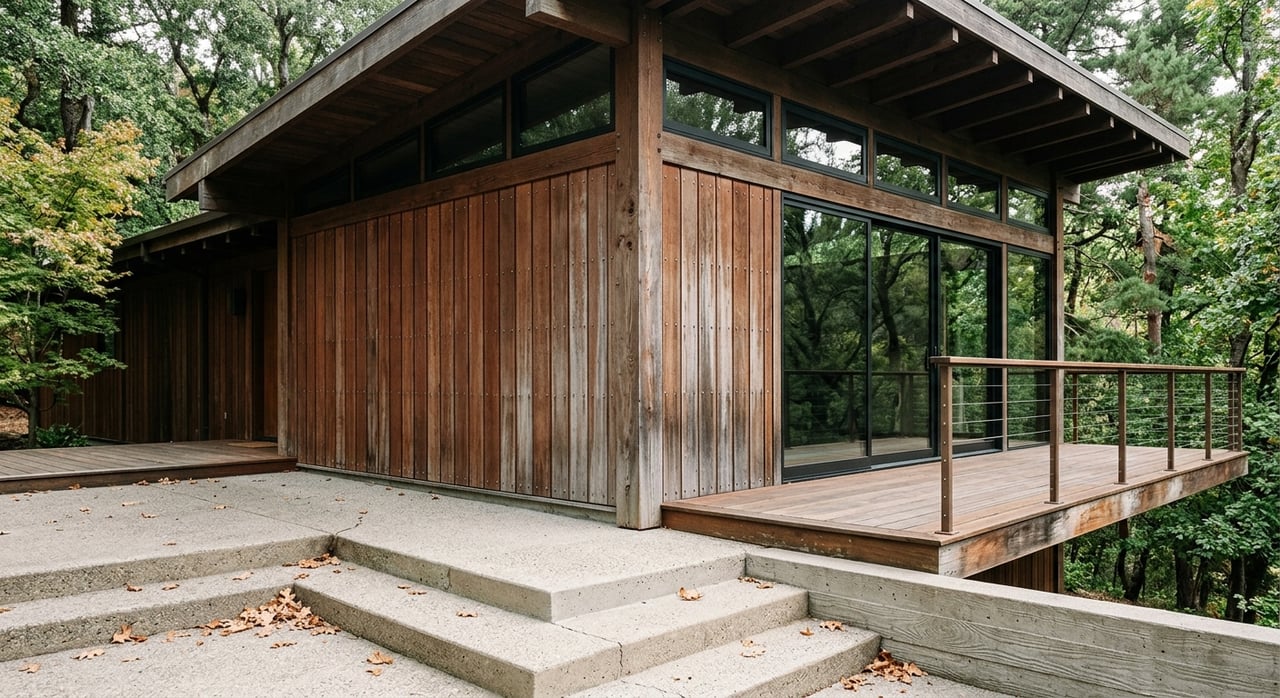
Hillside properties bring their own issues. The City notes that Berkeley Hills streets are often steep, narrow, and curving, which can make access harder for large trucks and work crews. The City’s wildfire materials also identify the eastern border and wildland-adjacent areas as the main pathway for wildfire into Berkeley, with Panoramic Hill and nearby areas singled out in a 2025 fire-hazard report for very high hazard consideration.
For sellers in these areas, a lighter prep plan or as-is strategy may sometimes be more practical than a broad renovation scope. California disclosure law also adds wildfire-related notice requirements for certain homes in high or very high fire-hazard severity zones built before January 1, 2010.
Berkeley Seller Scenarios
Central Berkeley or Elmwood Example
If your home is well located and has strong original character, selective updates may be enough. Fresh paint, flooring improvements, staging, and small repairs can help buyers focus on the home’s layout and setting instead of cosmetic distractions. In many cases, that creates a stronger return than opening walls or starting permit-heavy upgrades.
North Berkeley Example
If the home is older and has several dated surfaces but no major known system failures, a targeted remodel may be worth exploring. The key is to identify what buyers will notice first and fix the items that hold back confidence. That might mean refreshing a kitchen or improving curb appeal rather than renovating every room.
Berkeley Hills Example
If the property involves wildfire considerations, access challenges, or review complexity, speed and certainty may carry more weight. A light prep plan can still improve presentation, but a major renovation may create delays that are not worth the extra effort. In some cases, selling as-is with a strong pricing and marketing strategy may be the cleaner move.
How to Make the Right Call
Before you decide, walk through these questions:
- Are the issues mostly cosmetic or mostly structural?
- Will the work require permits or city review?
- How much time do you have before listing?
- What is your renovation budget, and what is your risk tolerance?
- Would staging and presentation solve most buyer objections?
- Are you trying to maximize top-line price, or maximize certainty and net proceeds?
In Berkeley, the strongest answer is often the middle path. Fix the highest-friction items, present the home well, and avoid over-improving beyond what buyers are likely to reward. That approach can preserve momentum while still helping you compete at a high level.
A smart seller strategy is not about doing everything. It is about doing the right things in the right order.
If you are weighing whether to renovate or sell as-is in Berkeley, Tomaj Trenda can help you map the best path for your property, your timeline, and your net goals. From pre-listing project guidance to staging coordination and high-production marketing, the focus stays on the choices most likely to improve your outcome. Reach out to Tomaj Trenda to request a free seller consultation and home valuation.
FAQs
What does selling a Berkeley home as-is actually mean?
- Selling as-is means you are offering the property in its current condition, but California sellers still must disclose material facts that affect the property’s value or desirability.
Should Berkeley sellers renovate before listing in a competitive market?
- Not always. In Berkeley, a competitive market can still reward good presentation, but selective prep and staging often make more sense than a large renovation with added cost and permit risk.
Which pre-listing updates help Berkeley sellers most?
- The strongest candidates are usually visible, high-impact items like paint, minor repairs, flooring refreshes, entry improvements, and staging in the living room, primary bedroom, and kitchen.
Do Berkeley home renovations usually require permits?
- Many do. The City of Berkeley says building permits are required before construction begins, and most construction work and repairs require permits unless specifically exempted.
Are Berkeley Hills homes harder to renovate before selling?
- They can be. Hillside access, wildfire-related considerations, and the possibility of added review or logistics can make large pre-listing projects more complicated.
When is selling a Berkeley home as-is the better choice?
- It is often the better option when the home has major system or code issues, the work could trigger extensive permits or review, or you value speed and certainty more than the possible upside of a larger pre-sale project.