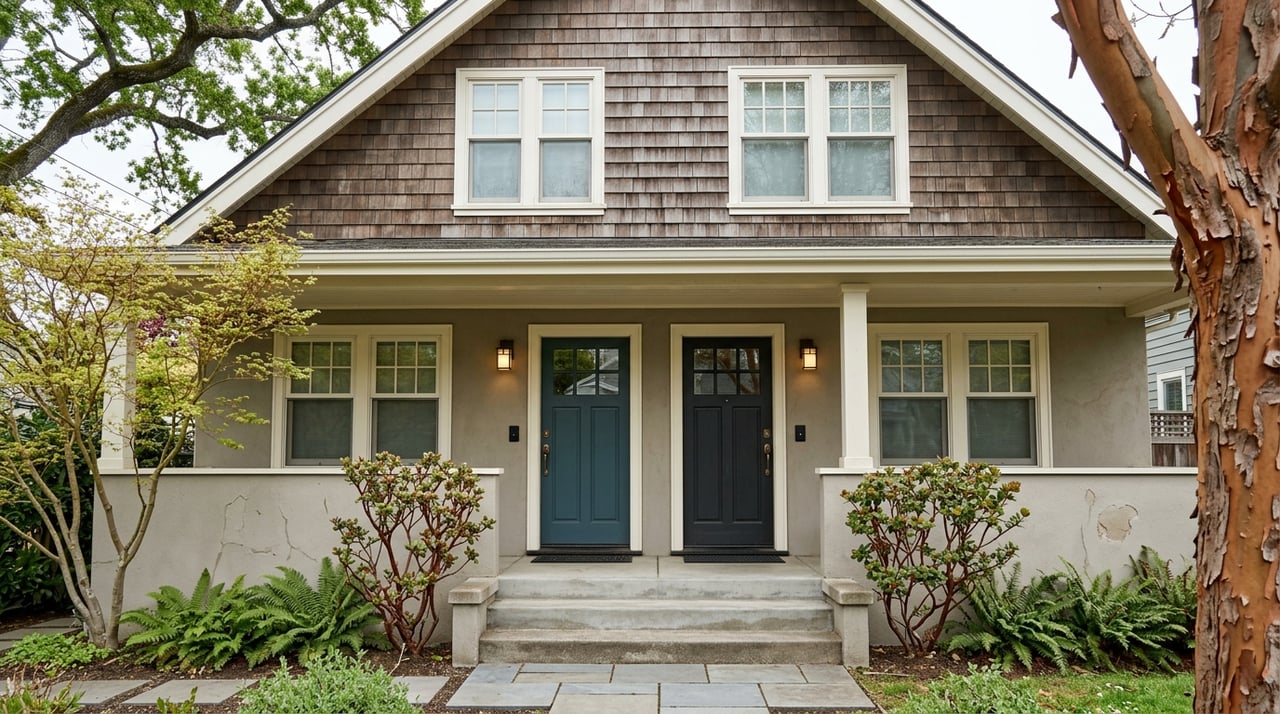
Wondering whether now is the right time to sell your Central Berkeley duplex? If you own a property with rental income, tenant considerations, and Berkeley-specific rules in the mix, the answer is rarely as simple as “yes” or “no.” The good news is that today’s market and local data give you a clear framework for making a smart decision, and that’s exactly what you’ll find below. Let’s dive in.
Central Berkeley duplex market now
If your duplex is clean, market-ready, and priced well, current conditions still lean in your favor as a seller. In March 2026, Central Berkeley posted a median sale price of about $1.1525 million, homes averaged around 20 days on market, and listings drew an average of 11 offers.
That level of competition matters. It suggests buyers are still actively pursuing well-located properties in Central Berkeley, even as Berkeley’s broader housing market has shifted more toward stabilization than rapid growth. Zillow also showed only 3 homes in for-sale inventory in Central Berkeley as of April 30, 2026, which reinforces the low-inventory story.
For sellers, that creates an important window. If your goal is to capture today’s pricing without waiting and hoping for another big jump in values, this market may already offer the conditions you need.
Why duplex buyers still show up
A Central Berkeley duplex can attract more than one type of buyer. You may see interest from owner-occupants who want to live in one unit and rent the other, buyers looking to offset a mortgage with rental income, and small investors focused on a tight, walkable Berkeley location.
That appeal is supported by local rent data and neighborhood demand. Berkeley’s 2025 Economic Dashboard reported median studio rents of $2,057 and median 3-bedroom rents of $4,189, while Central Berkeley remains a highly walkable area with a Walk Score of 90.
Still, there is an important nuance. Rents have flattened or slipped slightly from their 2024 peak, so buyers are not just buying a duplex based on dreams of unlimited rent growth. They are looking closely at the property’s condition, legal status, income history, and long-term carrying costs.
Selling now can make sense
For many owners, the strongest case for selling now is straightforward: demand is still strong, inventory is still tight, and a well-prepared duplex can stand out. If your property is already in good shape and your paperwork is organized, you may be in a better position today than if you wait for a less certain future market.
Selling now can also reduce the cost and complexity of continued ownership. If you are tired of managing maintenance, tracking compliance, or navigating rent-board requirements, listing sooner may help you convert equity into flexibility.
This is especially true if your duplex is already showing well and your tenancy records are clean. In a market where buyers are comparing risk as much as price, preparation can be a real advantage.
When waiting may be smarter
Selling now is not always the best move. If your duplex has major deferred maintenance, unresolved tenant issues, incomplete registration records, or presentation problems that would clearly affect buyer confidence, waiting may produce a better result.
That does not mean waiting for appreciation alone. In many cases, the better reason to delay is to improve the property first so you can protect your net proceeds.
For example, if modest repairs, cosmetic upgrades, or better documentation could materially improve how buyers view the duplex, that work may be worth doing before you go to market. A stronger launch often matters more than simply listing quickly.
Berkeley rules matter before listing
This is where Central Berkeley duplex sales become more specialized. Most rental units in Berkeley must be registered with the Berkeley Rent Board, and most units on multi-family properties built before June 1980 are fully covered by the Rent Ordinance.
For fully covered units, there is generally a lawful rent ceiling that can only change through the Annual General Adjustment or a petition. Some owner-occupied duplexes may be exempt, and so-called golden duplexes have their own rules if the duplex was owner-occupied on December 31, 1979 and has remained owner-occupied.
These details matter because buyers will want clarity. If the property’s rent status, registration status, or coverage category is unclear, that uncertainty can affect pricing, negotiations, and the buyer pool.
A sale does not remove tenants
One of the most important facts for Berkeley sellers is simple: selling a rental property does not, by itself, create a just cause for eviction. In most cases, the tenancy terms transfer to the next owner.
That means your sale strategy should match the actual occupancy status of the duplex. If the property is tenant-occupied, you should not build your pricing or marketing plan around the assumption that the sale will automatically deliver vacant units.
This point can shape everything from buyer expectations to timing. It also affects how you position the property, whether as an income-producing asset, a live-and-rent opportunity, or a future occupancy play subject to local rules.
Showings and buyer due diligence
If your duplex is occupied, showings require structure and care. Under California law, entry is generally allowed with 24-hour written notice during normal business hours, and the tenant does not have to be present.
Berkeley’s Rent Board also recommends using estoppels and attaching lease agreements so buyers understand rent levels, repair issues, and any informal side agreements. That is practical advice, not busywork.
The easier you make it for buyers to verify facts, the easier it becomes for them to write confidently. In a duplex sale, transparency often supports stronger offers.
Holding costs can affect timing
If you are considering waiting, make sure you are weighing the actual cost of holding the property. Berkeley’s FY 2026-27 registration fees are due July 2, 2026, and the fee is $244 per unit for fully covered units, with a 100% penalty for late payment.
Vacancy can also carry a price. Berkeley’s Empty Homes Tax took effect January 1, 2024, and can apply when a unit is vacant for more than 182 days in a calendar year.
For duplexes and townhouses, the tax is $3,000 per unit in the first year vacant and $6,000 per unit in the second year and beyond. There are exemptions, including for some owner-occupied properties with four or fewer units owned by a natural person or trust that owns no other Berkeley residential units, but the key point is this: deliberately vacating units before listing can create costs that should be part of your timing decision.
Your seller packet should be ready
If you want the best chance of a smooth, high-confidence sale, build your seller packet before you list. A strong package helps buyers evaluate income, compliance, and property operations without guessing.
Your pre-listing packet should include:
- Tenancy start dates
- Starting rent and current rent
- Number of bedrooms in each unit
- Housing services included in rent
- Owner or manager contact information
- Copies of current leases
- Current Berkeley Rent Board registration status
- Known repair issues
- Known access issues
This kind of preparation is especially important for duplex buyers. Many are underwriting both lifestyle and income potential, so they want clean facts from the start.
Taxes deserve early review
If your duplex has been part personal residence and part rental property, tax planning should happen before you list, not after you accept an offer. The IRS states that the home-sale exclusion may apply to a main home, generally up to $250,000 for single filers and $500,000 for joint filers if ownership and use tests are met.
But a duplex with both personal-use and rental-use portions is more complex. Gain or loss generally must be calculated separately for the personal and rental portions, and depreciation recapture can apply to the rental side.
That does not mean selling is a bad idea. It means you should review the likely tax outcome with a CPA early so you understand your real net proceeds.
What the best sellers do now
In this market, the sellers who tend to do best are not the ones who simply wait for appreciation. They are the ones who prepare thoroughly, present the property well, and remove as much uncertainty as possible before the home goes live.
For a Central Berkeley duplex, that usually means focusing on three areas:
- Compliance: Confirm registration status, tenancy details, and any Berkeley-specific obligations.
- Presentation: Address visible deferred maintenance and make the property feel cared for and buyer-ready.
- Documentation: Organize leases, rent history, and operating details so buyers can evaluate the opportunity quickly.
If those pieces are in place, the current market gives you a solid case for selling now. If they are not, a short period of focused preparation may be more valuable than waiting for market appreciation alone.
So, should you sell now?
For many Central Berkeley duplex owners, the answer is yes, if the property is market-ready, your records are clean, and you want to take advantage of today’s tight inventory and active buyer demand. The market is still competitive enough to reward strong preparation.
If your duplex needs repairs, administrative cleanup, or a better strategy around occupancy and presentation, it may be worth pausing first. The goal is not just to sell. The goal is to sell with a plan that protects your net proceeds.
That is where a seller-first approach can make a real difference. With the right preparation, pricing, and marketing, a duplex can be positioned as more than just another listing. It can be packaged as a clear, compelling opportunity for the right buyer.
If you’re weighing whether to sell your Central Berkeley duplex now, Tomaj Trenda can help you evaluate timing, pre-listing improvements, and the best strategy to maximize your outcome.
FAQs
Should you sell a tenant-occupied duplex in Central Berkeley now?
- You may have a good opportunity if the property is well maintained, properly documented, and priced for today’s market, but your sale strategy should reflect the actual tenant and occupancy status because a sale does not automatically remove tenants.
Does selling a Berkeley duplex let you evict tenants?
- No. Berkeley states that the sale of property is not, by itself, a just cause for eviction, and in most cases tenancy terms transfer to the new owner.
What documents should you gather before selling a Central Berkeley duplex?
- You should gather tenancy start dates, starting and current rent, bedroom counts, services included in rent, contact information, leases, rent-board registration status, and any known repair or access issues.
Are Berkeley rent rules important when selling a duplex?
- Yes. Buyers often want to understand whether units are fully covered, partially covered, or exempt, along with lawful rent levels, registration status, and any outstanding issues that could affect ownership.
Can waiting to sell a Berkeley duplex cost you money?
- Yes. Holding costs may include registration fees, late penalties, ongoing maintenance, and in some cases the Empty Homes Tax if a unit stays vacant longer than allowed under Berkeley’s rules.