If you own an older Albany home, you may be asking a smart question before you list: what should you update, and what should you leave alone? In a market where detached homes have been selling quickly and buyers have been paying well above list price on average, the right pre-list work can sharpen your first impression and protect your upside. For Albany character homes, the best strategy is usually not a full remodel. It is a focused plan that respects original details, improves visible condition, and helps your home show at its best. Let’s dive in.
Why Albany character homes need a different approach
Albany’s housing stock is older, and much of it was built in the 1920s. The city’s design guidance points to a mix of architectural styles, including Craftsman, Spanish Revival, Tudor, Minimal Traditional, and modern or contemporary homes. More than half of Albany’s housing stock is over 60 years old, which means many sellers are working with homes that have strong bones and distinctive original details.
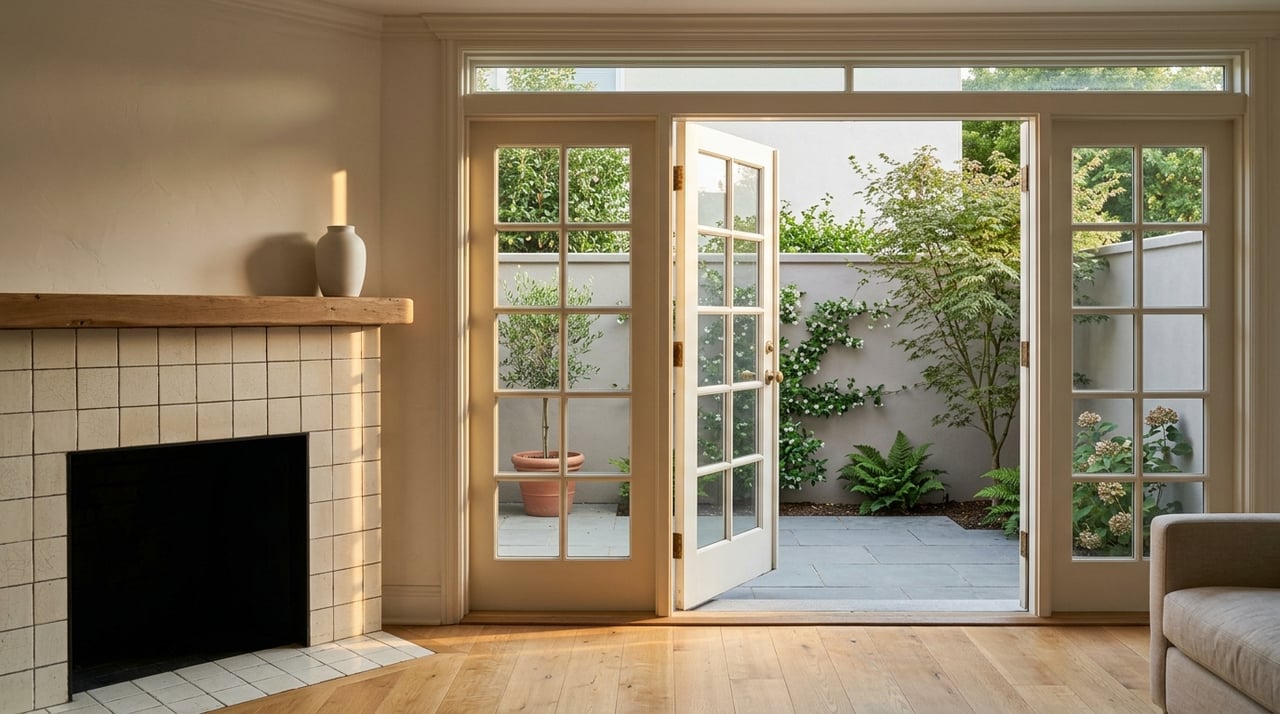
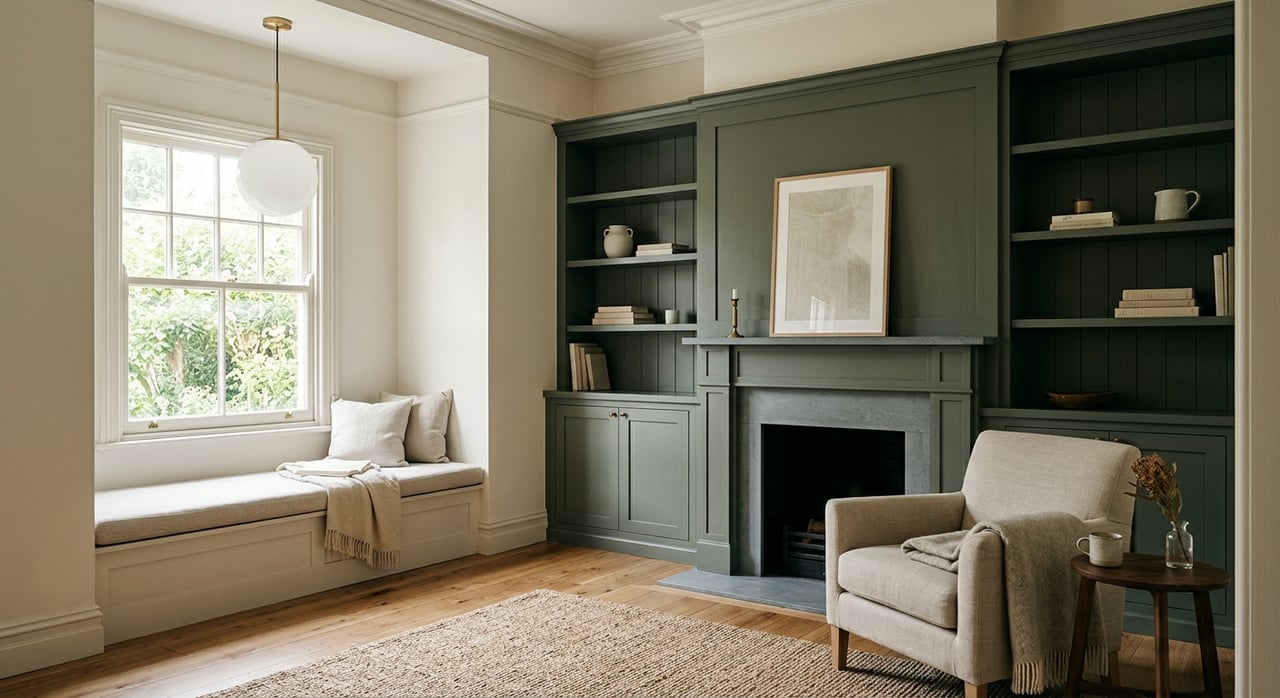
That matters because Albany’s guidelines treat original design elements as an asset. Features like trim, window proportions, and covered entries help define a home’s character. When you prepare a home for sale, the goal is often to make those features feel polished and cared for, not covered up by a generic remodel.
The current market also supports a thoughtful approach. In June 2026, Albany detached homes had about 0.7 months of inventory, a median sale price of $1,633,000, an average 17 days on market, and an average sale-to-list ratio of 127%. In a fast seller environment like that, visible condition and presentation can have an outsized impact.
Start with updates buyers notice first
When buyers walk up to your home or step through the front door, they form opinions quickly. That is why the most effective pre-list improvements are often the simplest ones to see. Clean condition, preserved character, and a well-maintained look usually go further than expensive work hidden behind the walls.
For many Albany sellers, the smartest path is to spend first on lower-disruption, surface-level improvements. These projects can strengthen presentation, fit shorter timelines, and align with the city’s emphasis on preserving original architecture.
Refinish original hardwood floors
If your home still has original hardwood floors, refinishing them is often one of the best pre-list updates you can make. In older Albany homes, floors carry a lot of visual weight. Freshly refinished wood can make rooms feel brighter, cleaner, and more cohesive without changing the home’s personality.
The 2025 Remodeling Impact Report found hardwood floor refinishing had an estimated cost of about $3,400 and a resale recovery of about $5,000, or 147% of cost. For a character home, that kind of update does double duty. It improves appearance while preserving something buyers already value.
Refresh paint and finish work
Paint is one of the fastest ways to sharpen a home before listing. In Albany, painting and similar finish work are generally exempt from permit requirements, which makes them especially useful if you are on a short timeline.
A careful paint refresh can help original trim, doors, and architectural lines stand out. The key is restraint. In many Albany homes, a clean, well-kept presentation works better than a dramatic style shift that competes with the house itself.
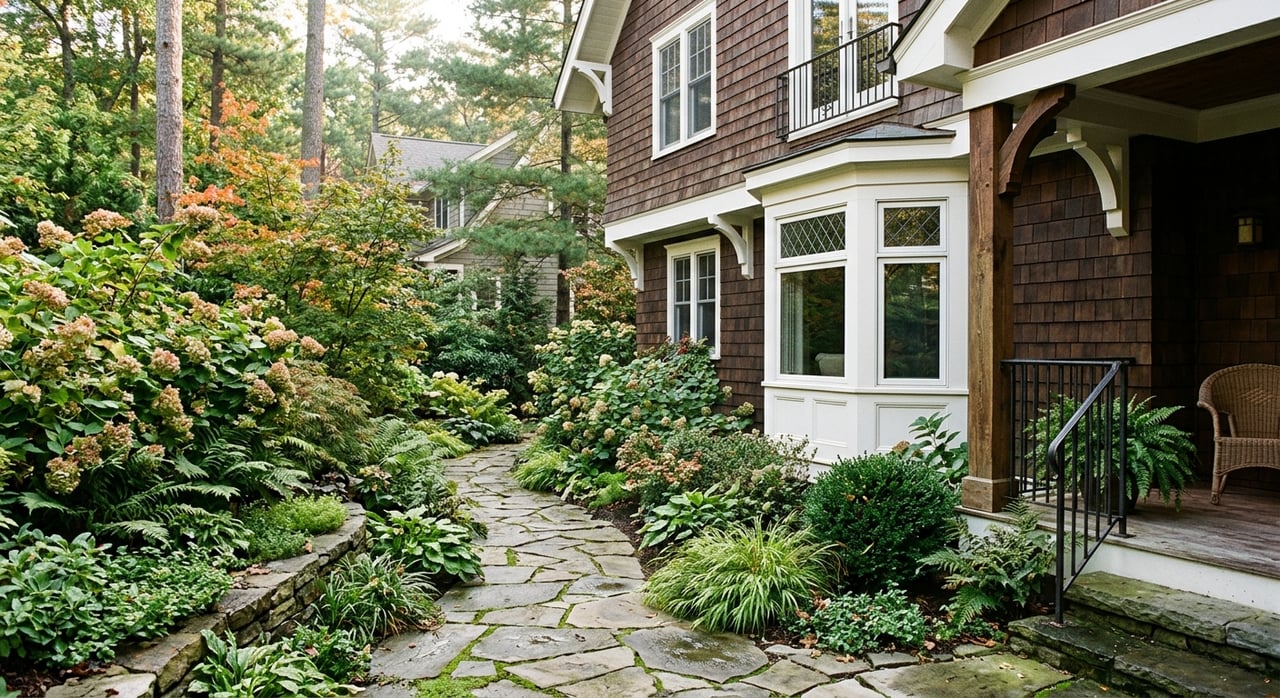
Improve curb appeal at the entry
The first few seconds at the front of the house matter. Albany’s design guidelines highlight the importance of covered entries, trim, porches, and window details, so your exterior should feel tidy and intentional.
If your home needs exterior attention, some entry-focused updates have shown especially strong value in the Pacific region. Garage door replacement recouped 250.7% of cost, steel entry door replacement recouped 249.9%, manufactured stone veneer recouped 203.5%, and fiber-cement siding replacement recouped 115.7%. Not every Albany character home needs these exact projects, but the larger point is clear: the view from the street deserves real attention.
Keep kitchen updates light and strategic
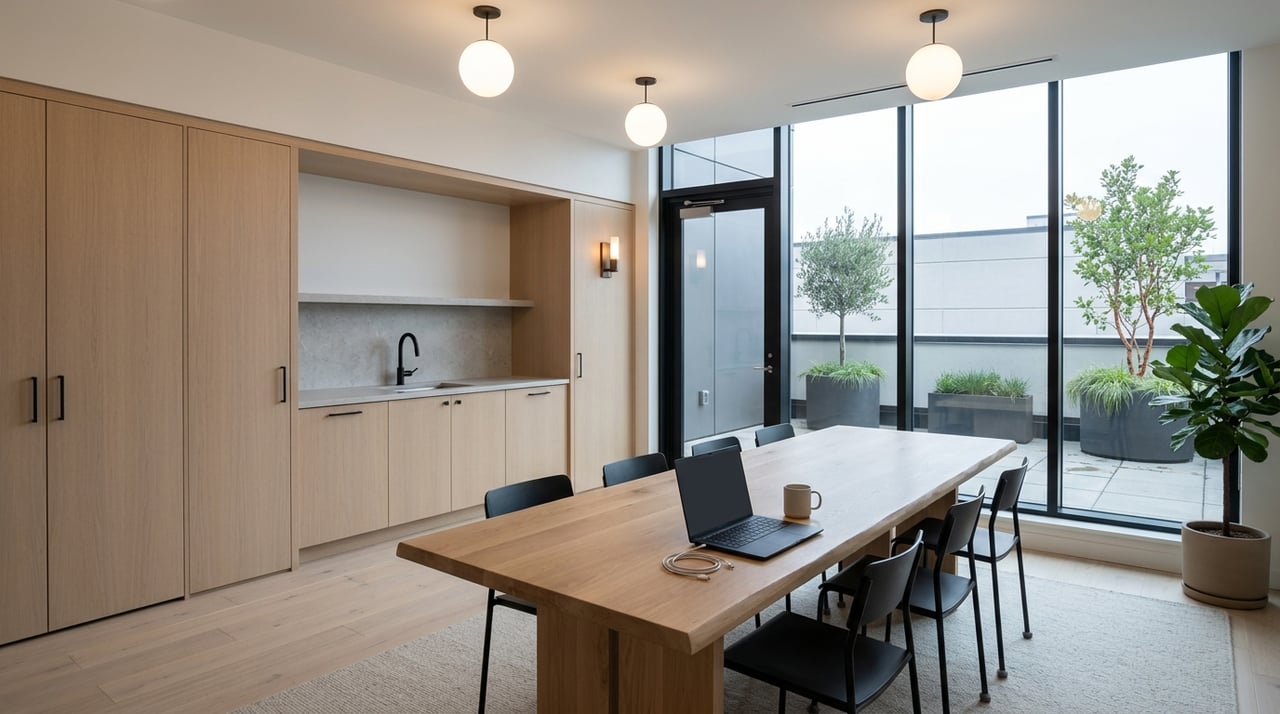
A full kitchen gut renovation is not usually the best pre-list move for an Albany seller. If the layout works and the kitchen is functional, a lighter refresh often makes more financial sense than a major redesign.
That approach lines up with both local permit guidance and resale data. Albany treats cabinets, countertops, tiling, painting, and similar finish work as permit-exempt in many cases. At the same time, the Pacific-region Cost vs. Value data showed a midrange minor kitchen remodel recouped 134.3% of cost, while a major midrange kitchen remodel recouped 67.8%.
What a smart kitchen refresh can include
If your kitchen feels dated but usable, focus on updates that improve the look without rebuilding the room:
- Paint walls and worn surfaces where appropriate
- Replace tired countertops if they drag down the space
- Update cabinet finishes or hardware
- Refresh backsplash tile
- Improve lighting if the room feels dim
- Address small cosmetic flaws buyers will notice
This kind of work helps the kitchen feel clean and current while avoiding the cost and delay of a larger project.
Fix obvious maintenance before buyers see it
Not every update is exciting, but visible deferred maintenance can weaken buyer confidence fast. In a market where homes move quickly, buyers may still pay close attention to signs of wear, leakage, or neglect.
That does not mean you should replace every aging system before listing. It does mean you should take care of issues that create a poor first impression or invite questions during showings.
Focus on defects that feel immediate
Roof replacement and vinyl window replacement were not among the highest-return projects in Pacific-region cost-recovery data, with recoup rates of 80.3% and 85.9% respectively. Still, those numbers do not tell the whole story if a roof is visibly failing or windows show obvious deterioration.
For sellers, the practical question is not only resale percentage. It is whether a visible issue could reduce buyer trust, shrink your offer pool, or create leverage during negotiations. If the answer is yes, targeted repairs may be worth it.
Avoid over-improving before you list
One of the biggest mistakes sellers make is spending heavily in places where buyers will not pay them back. That risk is even greater with character homes, where style-erasing remodels can remove the very details that make the property stand out.
Albany’s design guidelines are clear that original forms and design elements are assets, and remodeled homes should remain true to their original architecture. In other words, your home does not need to look brand new. It needs to look well cared for, functional, and true to itself.
Projects to skip or scale back
Before you commit to major work, be cautious about these categories:
- Full upscale kitchen remodels when the kitchen already functions well
- Large bath remodels done mainly for style
- Cosmetic changes that erase original trim, proportions, or architectural cues
- Permit-heavy projects if your ideal listing window is close
The Pacific-region data supports this restraint. A major upscale kitchen remodel recouped 54.6% of cost, an upscale bath remodel recouped 59.3%, and a midrange bath remodel recouped 95.6%. Those figures are much less compelling than lower-scope improvements tied to flooring, entry appeal, and presentation.
Use Albany permit rules to your advantage
A strong pre-list plan is not just about return. It is also about timing. If you want to bring your home to market soon, permit complexity can change what is realistic.
Albany’s work-exempt guidance says permits are not required for painting, papering, tiling, carpeting, cabinets, countertops, and similar finish work. Minor repairs and some simple maintenance tasks may also be exempt, though concealed plumbing repairs and more invasive work still require permits.
What shorter timelines usually favor
For many sellers, the most efficient sequence looks like this:
- Handle no-permit cosmetic work first
- Refinish floors if needed
- Refresh paint and finishes
- Improve curb appeal and entry presentation
- Fix visible maintenance issues that could affect buyer perception
- Add higher-scope work only if there is a clear functional or condition problem
Albany also notes that smaller residential projects with minor or no structural changes can often be issued within 1 to 2 business days, while larger projects go through plan review. If your timeline is tight, that is another reason to prioritize high-impact cosmetic work before considering more complex improvements.
A smart Albany pre-list strategy
For most Albany character homes, the winning formula is pretty simple: preserve what gives the home its identity, refresh what buyers notice first, and avoid overbuilding for the block or the timeline. That often means refinished hardwood floors, sharp paint, a stronger front entry, a light kitchen refresh, and repairs to obvious wear.
In a seller-leaning market, those decisions can help your home feel more compelling from day one. They also support better storytelling once the property hits the market, especially when the home’s original charm has been prepared, photographed, and presented with care.
If you are preparing to sell in Albany and want a plan built around timing, presentation, and net results, Tomaj Trenda can help you identify which updates are worth doing before you list.
FAQs
What are the best pre-list updates for older Albany homes?
- The strongest options are usually refinishing original hardwood floors, refreshing paint and finishes, improving curb appeal, making light kitchen updates, and fixing visible maintenance issues.
Should you remodel the kitchen before listing an Albany character home?
- Usually, a minor kitchen refresh makes more sense than a full remodel if the kitchen is already functional, since smaller updates have shown stronger cost recovery than major kitchen projects.
Do Albany sellers need permits for paint and cosmetic pre-list work?
- Albany generally treats painting, tiling, carpeting, cabinets, countertops, and similar finish work as exempt from permit requirements, though more invasive work may still require permits.
Should you replace old windows or the roof before selling in Albany?
- Not always, but if there is visible wear, leakage, or deferred maintenance that could concern buyers, targeted replacement or repair can help protect buyer confidence and offers.
How should you update an Albany home without losing its character?
- Focus on preserving original trim, proportions, window details, entries, and other architectural features while improving condition, cleanliness, and overall presentation.