Moving to a new home can be an exciting yet challenging experience. The process involves numerous tasks, from packing and organizing to coordinating logistics and settling into a new environment. Implementing effective strategies can make the transition smoother and less stressful. By planning ahead and staying organized, you can ensure that your move is as seamless as possible.
Planning Ahead for a Successful Move
One of the most crucial steps in ensuring a stress-free move is planning ahead. Begin by creating a detailed timeline that outlines all the tasks that need to be completed before moving day. This timeline should include key milestones such as securing a moving company, packing, and notifying utilities of your move. By breaking down the process into manageable steps, you can avoid feeling overwhelmed and ensure that everything is completed on schedule.
Decluttering Before Packing
Before you start packing, take the opportunity to declutter your home. Go through each room and decide what items you want to keep, donate, or discard. This not only reduces the number of items you need to pack but also helps you start fresh in your new home. Decluttering can be a liberating experience, allowing you to let go of items that no longer serve a purpose. Consider organizing a garage sale or donating to local charities to give your unwanted items a new life.
Choosing the Right Moving Company
Selecting a reliable moving company is essential for a smooth transition. Research various companies, read reviews, and request quotes to find a service that fits your needs and budget. It's important to verify the credentials of the moving company, ensuring they are licensed and insured. A reputable company will provide a detailed estimate and explain any additional fees. Communicate your specific requirements and concerns to the movers to ensure they understand your expectations.
Packing Efficiently and Effectively
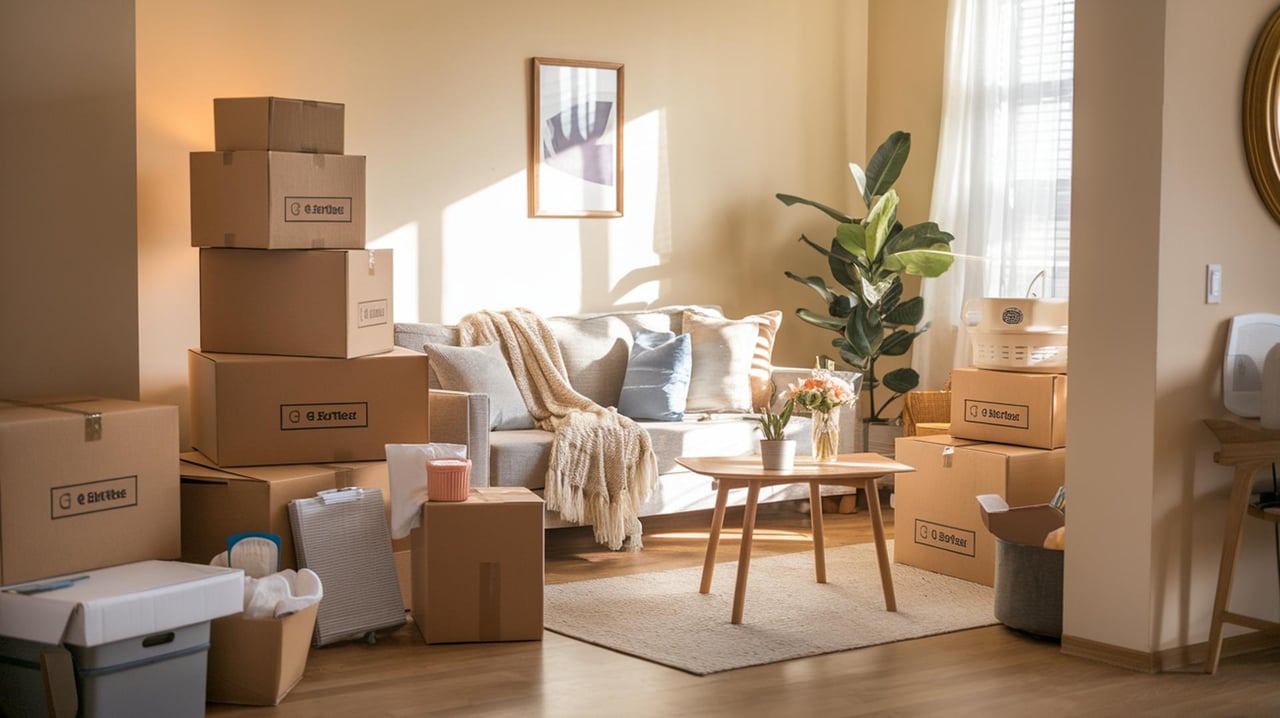
Packing can be one of the most time-consuming aspects of moving, but with the right approach, it can be manageable. Start by gathering all necessary packing materials, such as boxes, bubble wrap, and packing tape. Label each box with its contents and the room it belongs to, making unpacking easier. Pack strategically by placing heavier items at the bottom of boxes and using smaller boxes for heavier items. Consider packing a separate essentials box with items you'll need immediately upon arrival at your new home.
Managing Moving Day Logistics
On moving day, having a clear plan can help things run smoothly. Confirm the arrival time of the moving company and ensure that all items are packed and ready to go. Designate a person to oversee the loading process and address any questions the movers may have. Keep important documents, keys, and valuables with you, rather than packing them in the moving truck. If possible, arrange for someone to clean your old home after the move, allowing you to focus on settling into your new space.
Settling Into Your New Home
Once you've arrived at your new home, take the time to settle in gradually. Start by unpacking the essentials box and setting up the kitchen and bedrooms. Familiarize yourself with the layout of your new home and locate important features such as the circuit breaker and water shut-off valve. Take a walk around the neighborhood to get acquainted with your new surroundings. Introduce yourself to neighbors and explore local amenities to help you feel more at home.
Updating Your Address and Utilities
After moving, it's important to update your address with various organizations and service providers. Notify the post office, banks, insurance companies, and any subscription services of your new address. Additionally, ensure that utilities such as electricity, water, and internet are set up and functioning in your new home. Keeping a checklist of all the organizations that need to be informed can help you stay organized and ensure that nothing is overlooked.
Creating a Moving Budget
Moving can be costly, so creating a budget is essential to avoid unexpected expenses. Consider all potential costs, including moving company fees, packing materials, and travel expenses. Allocate funds for any necessary repairs or upgrades in your new home. By having a clear understanding of your financial situation, you can make informed decisions and avoid overspending during the moving process.
Staying Organized Throughout the Process
Maintaining organization is key to a successful move. Keep all important documents, such as contracts and receipts, in a designated folder for easy access. Use a moving checklist to track your progress and ensure that no tasks are forgotten. Regularly review your timeline and adjust as needed to stay on track. By staying organized, you can reduce stress and ensure that the moving process goes smoothly.
Taking Care of Yourself During the Move
Amidst the hustle and bustle of moving, it's important to prioritize self-care. Moving can be physically and emotionally demanding, so take breaks when needed and ensure you're getting enough rest. Stay hydrated and maintain a balanced diet to keep your energy levels up. Consider enlisting the help of friends or family to share the workload and provide support. Taking care of yourself will help you stay focused and positive throughout the transition.
Ready for a Smooth Move?
By following these stress-free moving strategies, you can make your transition to a new home much easier. Remember, planning ahead and staying organized are key to a successful move. If you need expert guidance tailored to your needs, don't hesitate to reach out to Tomaj Trenda. Contact Tomaj Trenda today to ensure your move is as smooth as possible.