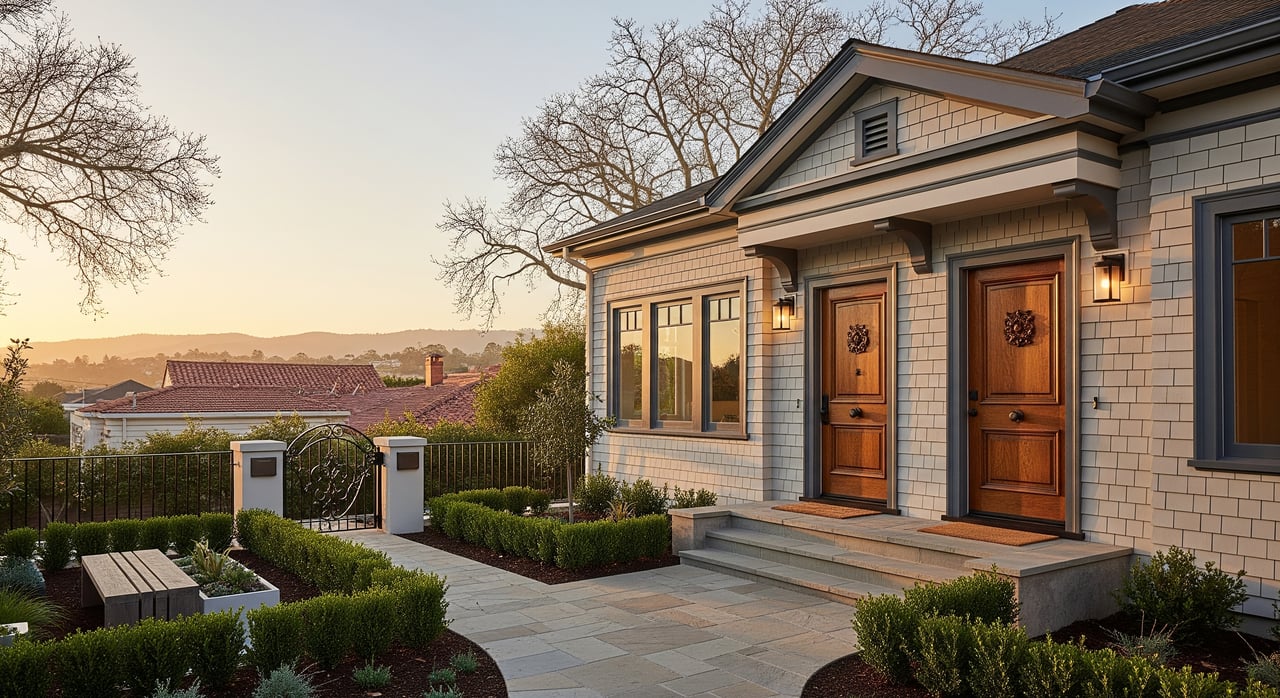
Thinking about buying a duplex in Central Berkeley so you can live in one unit and lease the other? You’re not alone. With UC Berkeley, BART, and major job centers close by, well-located duplexes attract steady renter interest year-round. The key is picking the right property, running the numbers the right way, and understanding Berkeley’s rental rules before you act.
In this guide, you’ll learn practical live or lease scenarios, financing paths for 2 to 4 units, how to underwrite rents and expenses, the renovations that deliver the best payback, and how smart prep can boost your sale price if you decide to list. Let’s dive in.
Why Central Berkeley duplexes
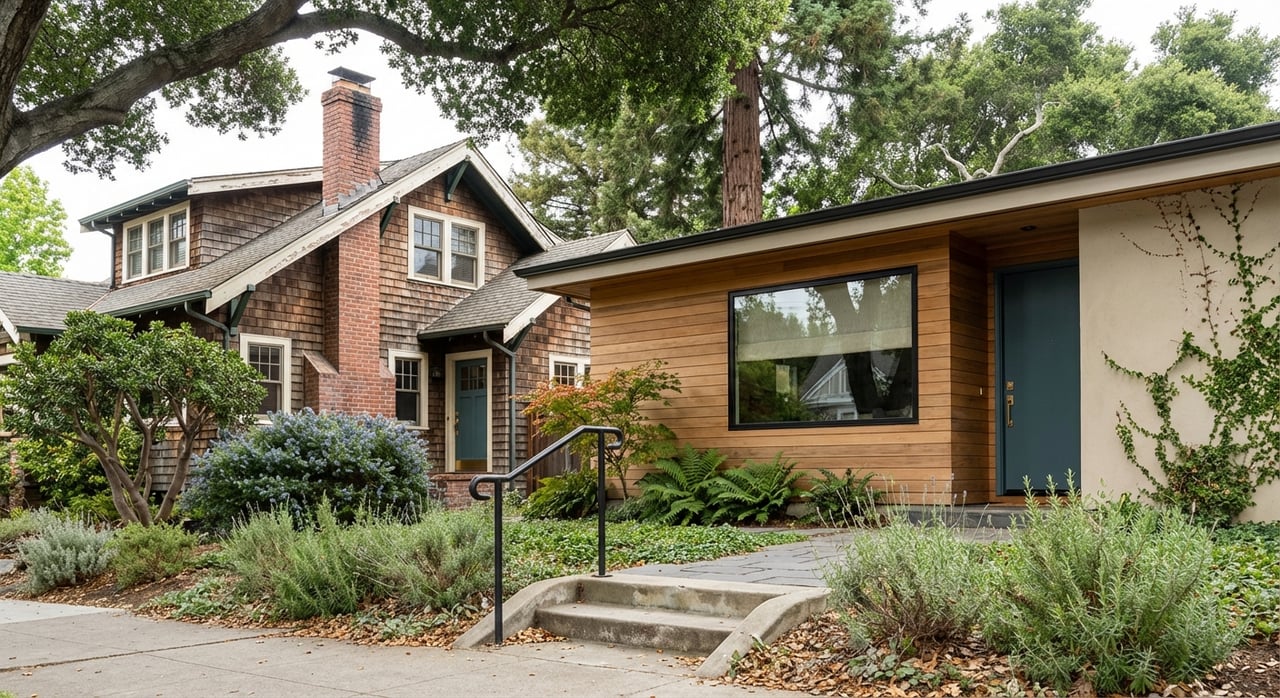
Central Berkeley sits near UC Berkeley, downtown retail, and transit links to Oakland and San Francisco. This mix supports steady demand from students, university staff, graduate students, and professionals who commute by BART or bike.
Walkability and bikeability matter here. One and two bedroom units close to transit and campus tend to stay competitive, especially when they offer clean finishes, good light, and laundry access. Limited off-street parking is common on older lots, but many renters in this area prioritize location and transit access.
Know the rules first
Berkeley has local rental protections that go beyond state law. The city’s Rent Stabilization program and Just Cause eviction ordinance can impact rent increases, pass-throughs, and the reasons you can end a tenancy. Before you buy or lease, confirm unit-specific applicability with the Berkeley Rent Board and review all active leases.
Statewide tenant protections also apply in many cases, but local rules can supersede where they are stronger. In addition, some rental properties require registration, licensing, or habitability inspections. Ask the city about current registration or inspection requirements so you understand your obligations.
Zoning and legality are critical. Central Berkeley includes areas where duplexes are allowed, yet lot-specific setbacks, historic rules, or prior alterations can affect value and future plans. Many older properties have unpermitted work. Verify permits with the Berkeley Planning and Building Department, and proceed carefully if any unit is not legal. If you are considering adding an accessory dwelling unit, statewide ADU rules may ease approvals, but local design and utility standards still apply.
Property taxes in Alameda County follow Proposition 13, with a base near 1 percent of assessed value plus parcel taxes and special assessments. Review the assessor’s records and your preliminary title report so you can underwrite actual expenses. If you are thinking about short-term rentals, confirm local regulations before listing.
Common layouts and renters
Central Berkeley duplexes often come in three formats:
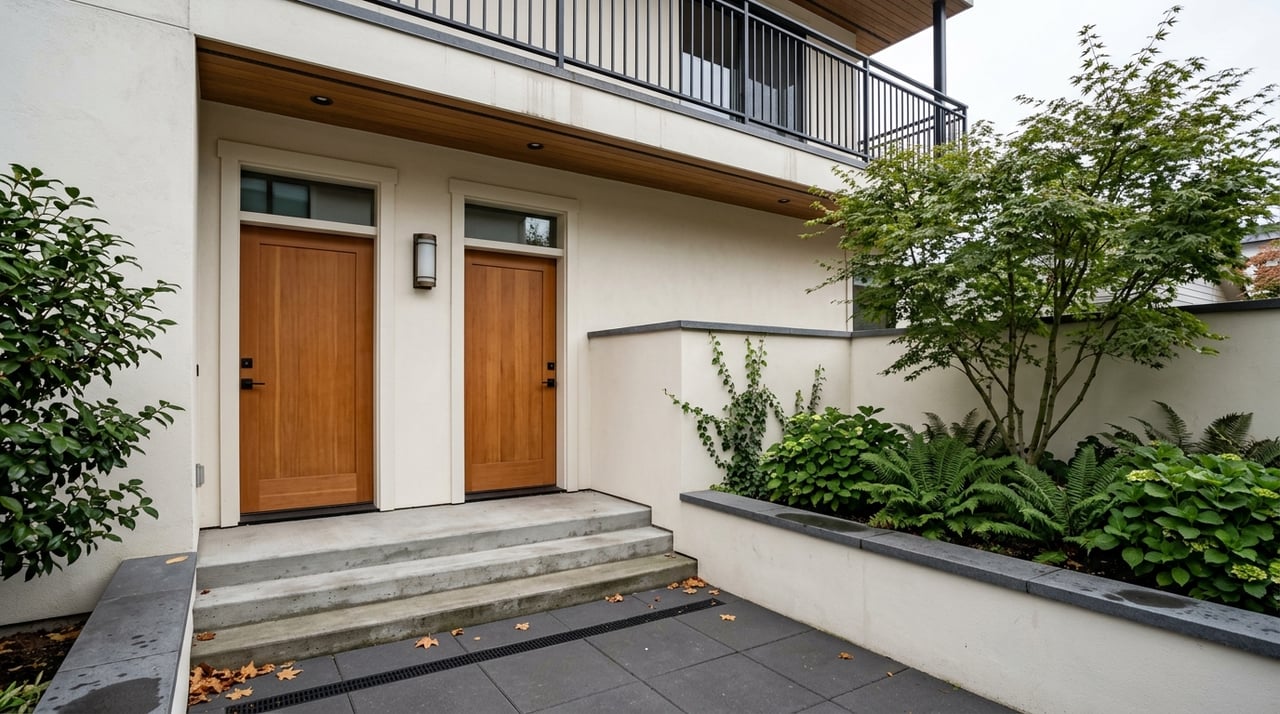
- Side-by-side units with separate entrances, often a 1 bedroom paired with a 2 bedroom.
- Up and down units in a single structure, common in older conversions.
- Mirror-image floor plans or asymmetric configurations from past remodels.
Tenant profiles vary by unit type. Studios and 1 bedrooms attract students and young professionals who value proximity to campus and transit. Two bedrooms work for small households or roommates who may stay longer. Furnished units can command a premium but require more management, higher turnover coordination, and careful wear-and-tear planning.
Live or lease scenarios
Live in one, rent the other
This is the classic house-hack. You occupy one unit as your primary residence and lease the other to offset your mortgage and operating costs. Benefits include access to owner-occupant financing, simpler oversight of the property, and potentially lower down payments than a pure investment purchase. Be mindful of local rules for owner move-in and any relocation fee obligations if you ever plan to reclaim a rented unit.
Occupy the larger unit
If one unit is larger, you may choose to live in it for comfort and lease the smaller unit to support monthly expenses. This is a common setup for two bedroom plus one bedroom mixes. The tradeoff is higher personal space versus slightly lower rental income.
Add or legalize a third unit
Some properties have basements, garages, or bonus spaces that could be legalized or converted, or they may be eligible for an ADU. Approvals, design, and utility coordination can take time, and code upgrades may be required. Done right, this can materially increase rental income and resale value, but it comes with higher upfront cost and timelines measured in months.
Rent to people you know
Co-occupancy with friends or colleagues can seem easier, but it raises risk if arrangements are informal. Always use a written lease, set clear house rules, and adhere to local regulations.
Financing for 2 to 4 units
Owner-occupied financing is available for duplexes, triplexes, and fourplexes. Lenders frequently treat these as residential purchases, which can keep rates competitive.
- FHA loans can allow as little as 3.5 percent down when you live in one of the units, subject to FHA rules.
- Conventional loans for owner-occupants typically offer competitive rates with lender-specific down payment standards for 2 to 4 units.
- VA loans may allow eligible veterans to purchase multi-unit properties as an owner-occupant. Confirm current VA guidelines.
- Investor loans without owner occupancy usually require higher down payments, higher interest rates, and stronger cash flow coverage.
Lenders often count only a percentage of rental income when qualifying you, and they may require reserves for repairs and emergencies. Ask your lender how they will treat existing leases, market rent comps, and vacancies in your scenario.
Underwrite your duplex
A simple, disciplined underwriting process helps you avoid surprises. Model conservative, base, and optimistic cases so you can see how small changes affect cash flow.
Estimate market rents
- Pull rental comps in Central Berkeley for the same bedroom count and similar finishes. Consider whether units are furnished and what utilities are included.
- Adjust for square footage, in-unit laundry, parking, and proximity to campus and BART.
- Factor seasonality. Demand can peak around late summer for students. Use a realistic vacancy rate for your block and unit type.
- Validate assumptions with local property managers and recent lease comps when available.
Budget the full expense stack
Include the following categories when you build your pro forma:
- Property taxes and parcel assessments
- Insurance appropriate for landlord coverage
- Utilities you pay as the owner, including water, sewer, trash, gas, or electricity
- Repairs and routine maintenance
- Capital reserves for roof, heating, water heaters, and exterior paint
- Property management if you do not self-manage
- Vacancy and credit loss
- Marketing and turnover costs between tenants
- Legal and compliance costs for filings or required fees
Key investment metrics
- Gross Scheduled Income: total potential rent at full occupancy.
- Effective Gross Income: scheduled income minus vacancy and credit loss, plus other income.
- Net Operating Income: effective income minus operating expenses, excluding mortgage costs.
- Capitalization Rate: NOI divided by purchase price.
- Gross Rent Multiplier: purchase price divided by gross annual rent.
- Cash-on-Cash Return: annual pre-tax cash flow divided by cash invested.
- Debt Service Coverage Ratio: NOI divided by annual debt service. Many investor loans target DSCR above 1.2 to 1.25.
In the Bay Area, cap rates tend to run lower than national averages because supply is limited and demand is strong. Cash flow is sensitive to interest rates, vacancy, and repair costs, so build a sensitivity view before you commit.
Renovations that pay back
Your goal is to make units safe, rentable, and low maintenance as quickly as possible. Start with essentials, then add visible improvements that justify higher rents and shorten vacancy.
Top priorities include:
- Health and safety fixes, including detectors, egress, and any structural or moisture concerns.
- Roof, gutters, and drainage to prevent water damage.
- Electrical panel and wiring updates where needed in older homes.
- Plumbing repairs and reliable hot water capacity.
- Heating and ventilation for comfort and habitability.
- Weatherization and windows to reduce energy costs.
- Kitchen and bath refreshes with updated fixtures, hardware, and surfaces.
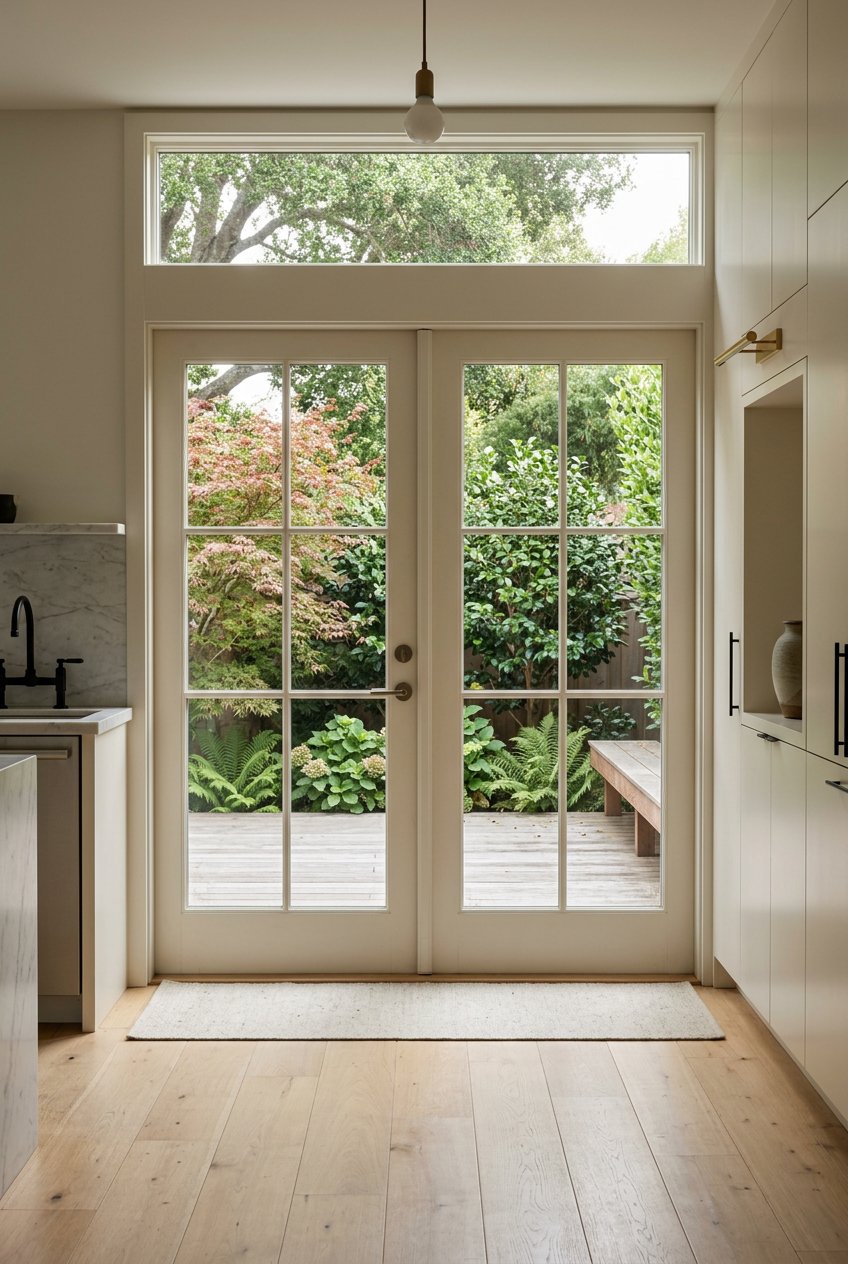
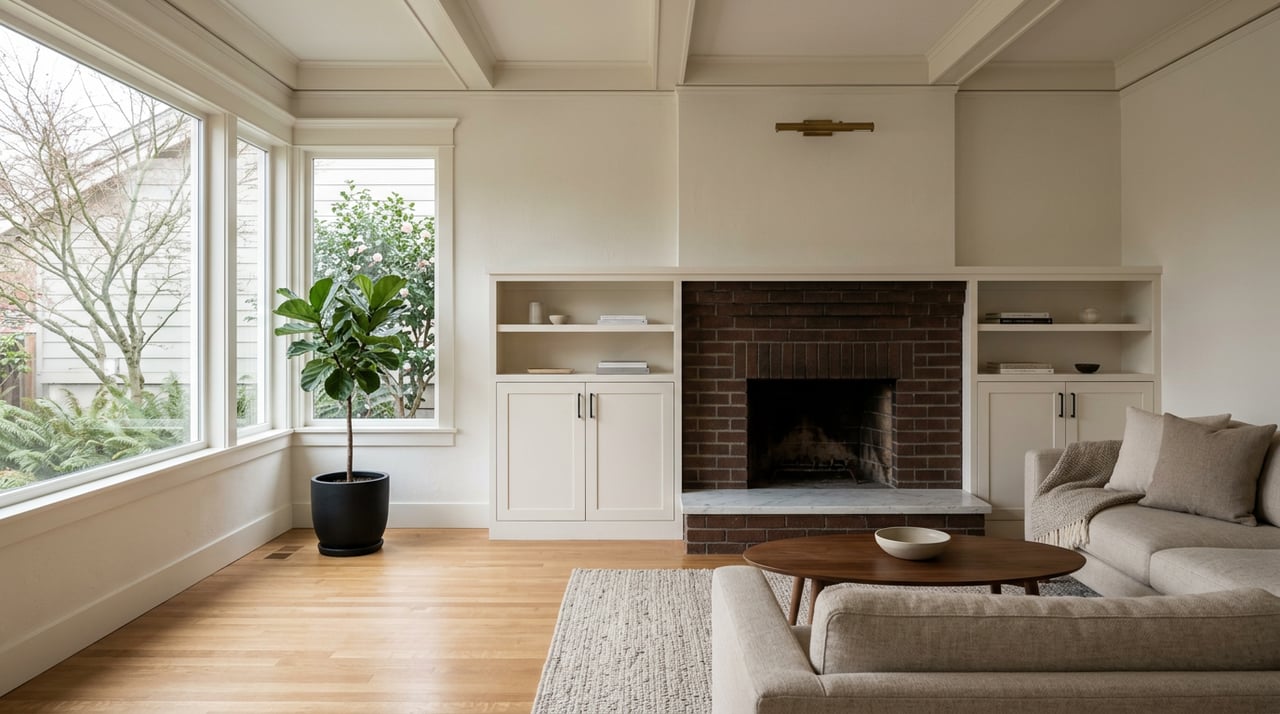
- Durable flooring and fresh interior paint.
- Laundry access, either in-unit or on-site.
- Separate metering or submetering where feasible and permitted.
Quick wins vs big projects
Cosmetic upgrades like paint, lighting, hardware, and appliance updates are often fast and do not require extensive permits. They can elevate perceived condition and help you command stronger rents. Larger value-add moves, such as legalizing an unpermitted unit or adding an ADU, can increase long-term income and resale value, but they require more capital and time. Always verify permit paths and code requirements before you invest.
Timelines to rent or sell
- Cosmetic refresh: about 1 to 3 weeks per unit with good contractor coordination.
- Systems upgrades: several weeks to months, depending on scope and permitting.
- ADU or legalization: months to a year or more due to design, permits, and inspections.
Plan your holding costs accordingly and time your listing or leasing to meet the most active tenant seasons when possible.
Selling a duplex
If you plan to sell, preparing the property and the paperwork can speed the timeline and improve your net proceeds. Duplex buyers care about both the real estate and the income story. Reduce friction so lenders and buyers can underwrite quickly.
Documentation and inspections
- Verify the legal unit count and permit history. Disclose what you find.
- Order pre-listing inspections for general condition, pest, roof, and HVAC.
- Assemble leases, rent rolls, security deposit records, tenant contact info, and recent utility bills.
- Clarify tenant timing, lease expirations, and any relocation obligations if an owner-occupant buyer is likely.
Marketing that targets two audiences
Investors want clear income and expense details, vacancy history, and a path to future value-add. Owner-occupants want floor plans, lifestyle photography, and a realistic picture of how one unit’s rent can offset their monthly costs. Professional photography and floor plans help both groups. Virtual tours with room labels can widen reach to out-of-area buyers.
Industry research shows that well-prepared, documented, and staged listings often sell faster and at stronger prices because they reduce risk and increase buyer confidence. For duplexes, this preparation is even more important because underwriting depends on both property condition and cash flow.
Common timing and negotiation pitfalls
- Tenant-occupied units may affect access, repairs, or closing timing.
- Rent control and just-cause rules limit rent increases and eviction bases, which can alter pro formas.
- Unpermitted work discovered during escrow can slow or derail financing. Disclose early and address what you can pre-listing.
House-hack checklist
Use this quick list to stay on track from first tour to closing and lease-up:
- Confirm rent stabilization and just-cause rules that apply to your specific units.
- Verify legal unit count and permit history with the city.
- Gather 12 to 24 months of rent rolls and itemized operating expenses.
- Build a reserve plan for 6 to 12 months of operating costs and repairs.
- Talk with local property managers about likely rents and tenant profiles.
- Compare financing options, including FHA for 2 to 4 units if you will occupy.
- Review any relocation fees and owner move-in requirements before making plans.
Let’s talk strategy
Whether you are buying a duplex to live-in and lease, or preparing a Central Berkeley property for market, you deserve a plan that protects your time and maximizes your outcome. From renovation guidance and pricing to media-rich marketing that reaches the right buyers, our seller-first approach is built to deliver results. Connect with Tomaj Trenda to map your next steps with confidence.
FAQs
What makes Central Berkeley strong for duplex investing?
- Proximity to UC Berkeley, downtown retail, BART, and nearby job centers supports steady renter demand for well-located 1 and 2 bedroom units.
How do Berkeley rent rules affect a new owner?
- The city’s rent stabilization and just-cause ordinances can limit rent increases and control eviction bases, so confirm unit-specific applicability with the Berkeley Rent Board before you buy.
What financing options exist for owner-occupants buying 2 to 4 units?
- FHA can allow as little as 3.5 percent down if you occupy a unit, conventional offers competitive terms with lender-specific standards, and VA may be available for eligible veterans.
How should I estimate rent for a duplex near UC Berkeley?
- Use recent local comps for similar bedroom counts and finishes, adjust for utilities and amenities, factor seasonality and vacancy, and validate with local property managers.
Which renovations increase rentability fastest in Berkeley?
- Health and safety fixes first, then visible upgrades like paint, durable flooring, and refreshed kitchens and baths, followed by laundry access and energy comfort improvements.
What should a seller prepare before listing a duplex in Alameda County?
- Verify legal unit count and permits, complete pre-listing inspections, compile leases and expense history, and plan marketing that highlights both income and owner-occupant advantages.