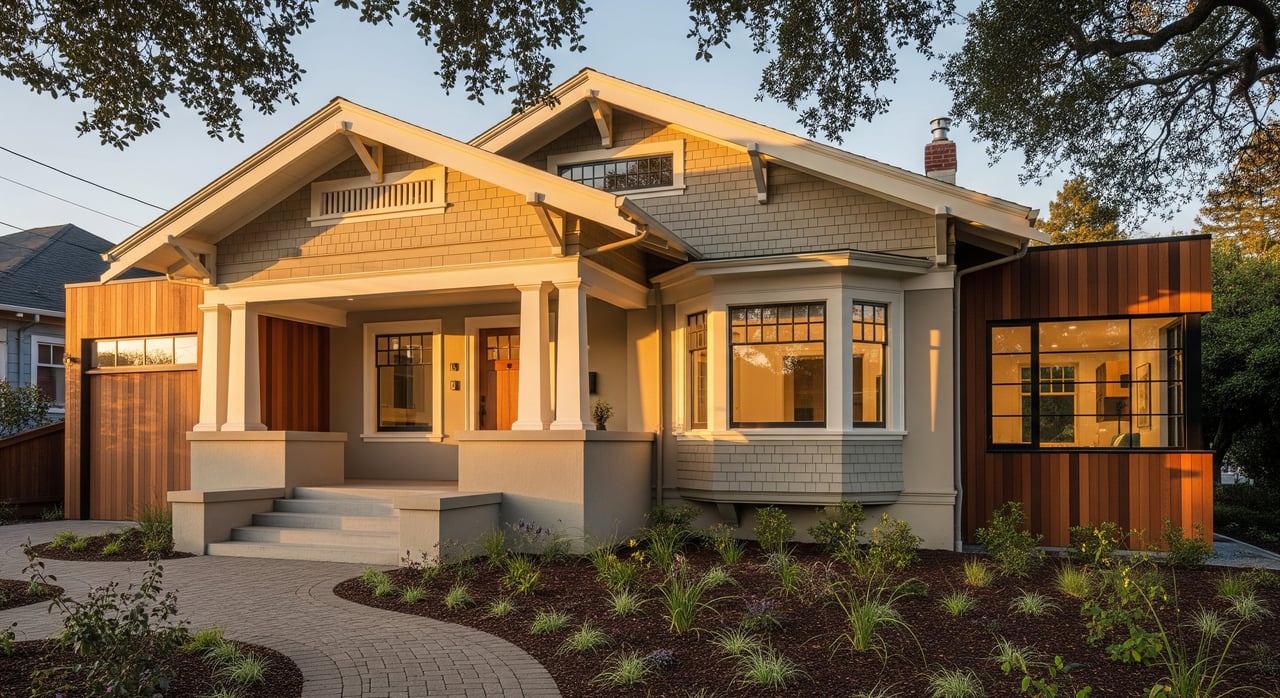
Thinking about fixing up your Central Berkeley home before you sell, but not sure where to start? You’re not alone. With older homes and discerning buyers, the right prep can lift your price while the wrong projects waste time and money. In this guide, you’ll learn which improvements pay, how to plan your budget and timeline, what permits you may need in Berkeley, and how to get to market smoothly. Let’s dive in.
Central Berkeley buyer expectations
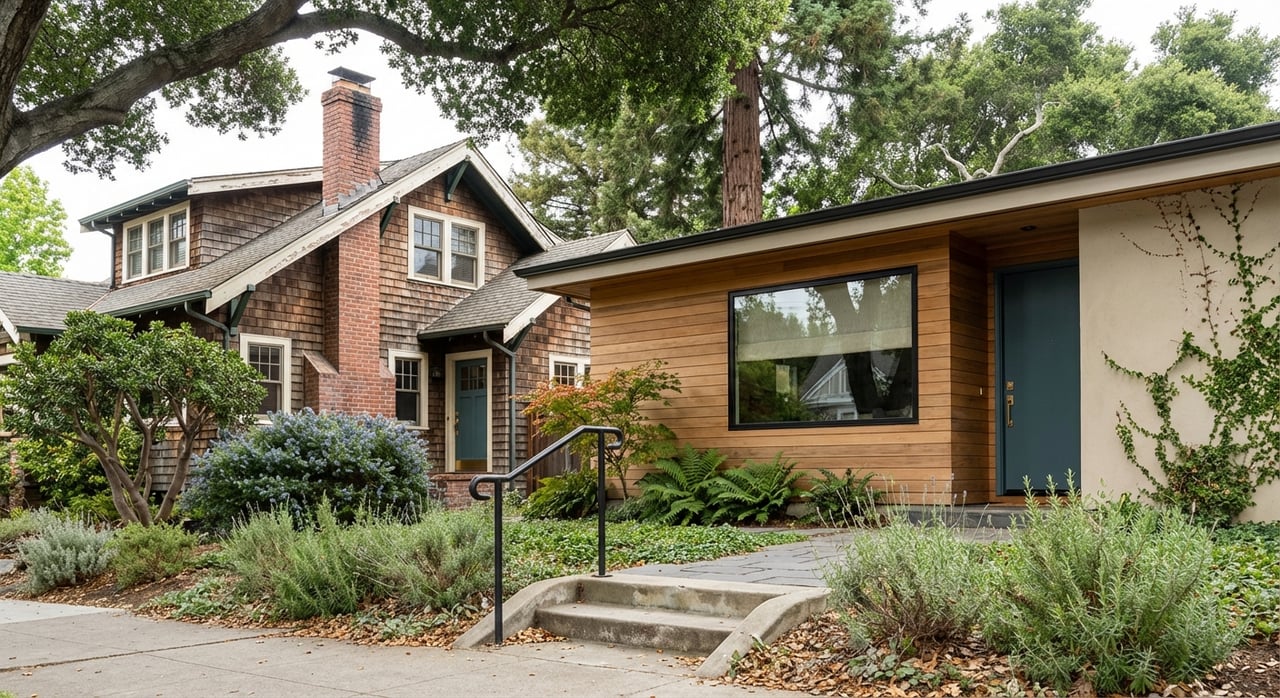
Central Berkeley buyers love period charm, but they also want dependable systems and livable upgrades. Many homes here are early 20th-century Craftsman and bungalow styles with original woodwork, plaster, and hardwood floors. That vintage character sells, but dated kitchens, baths, or aging electrical can limit offers.
Your best strategy is to match the finish level seen in nearby recent sales. Compare properties within a few blocks, not across the whole city. That keeps you from over-improving and helps you focus on updates that today’s buyers will value.
High-ROI upgrades to prioritize
Fresh paint and deep cleaning
A neutral interior paint refresh is one of the fastest, most cost-effective ways to brighten older Berkeley homes. It highlights original details and makes rooms feel larger and cleaner. Combine paint with a thorough clean and minor trim repairs to reduce buyer objections and improve photos.
Refinish or repair flooring
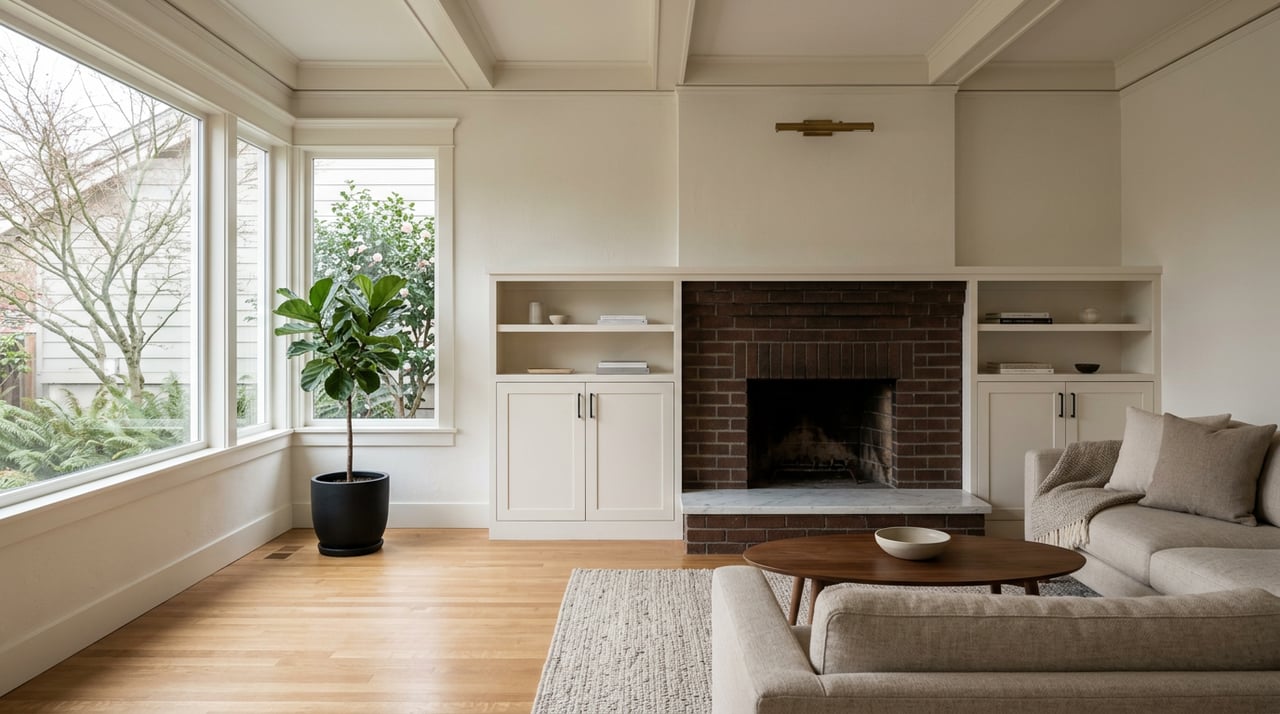
If you have hardwoods under carpet, exposing and refinishing them can create an instant upgrade. Repair damaged boards and aim for a consistent floor plan with natural or engineered wood where practical. Avoid specialty finishes that don’t match the neighborhood norm.
Targeted kitchen refresh
Buyers focus heavily on kitchens, but you rarely need a full gut to impress. A midrange refresh often performs best at resale. Consider refacing or painting cabinets, installing quartz or another durable counter, updating hardware, adding a clean backsplash, and replacing worn faucets and lighting. Modern, energy-efficient appliances help if the current set is mismatched or dated.
Clean, modern bathrooms
Update vanities, lighting, faucets, and ventilation. Replace failing tile or reglaze a tub for a crisp look. Aim for clean lines and neutral finishes that photograph well. If a simple layout fix improves function, tackle it as part of a midrange refresh.
Systems, safety, and reliability
Older homes often need electrical, plumbing, roof, or HVAC attention. Address known issues first. Upgrading an electrical panel to support modern loads or EV-readiness can increase buyer confidence. Repair leaks, dry rot, or sewer problems before investing in cosmetic work. Buyers will pay more for a home that feels turnkey and safe.
Curb appeal and entry
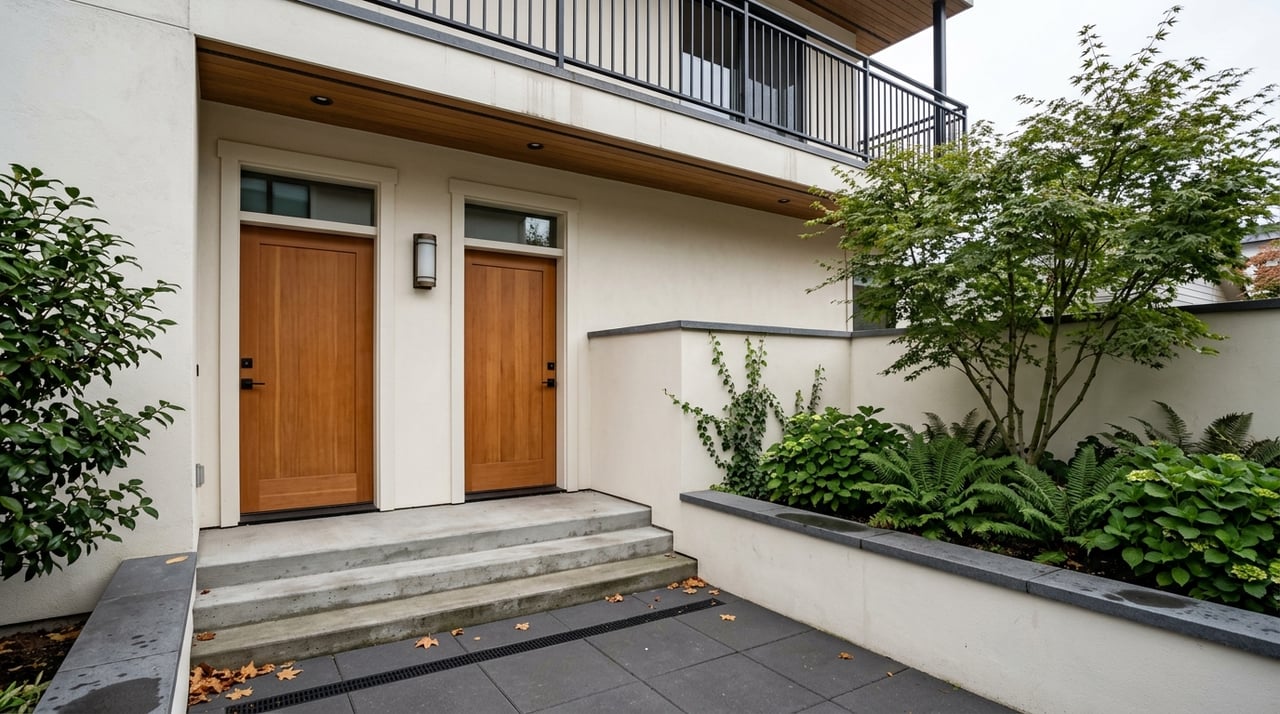
First impressions matter. Tidy the front yard, refresh mulch, trim shrubs, and repair steps or rails. A new front door or updated hardware, plus porch lighting, can make the listing photos pop and set a positive tone at showings.
Improvements to weigh carefully
- Kitchen appliances: Replace if mismatched, worn, or unreliable. If your appliances are modern and consistent, keep them.
- Windows: Replacement can help with energy and sound, especially on busy streets. In Berkeley, window work may trigger permits and energy code requirements, so confirm the scope before you commit.
- Lighting and fixtures: Low cost and high impact. Swap out dated fixtures for simple, modern options that brighten rooms.
- Home office staging: A flexible office space is a plus for remote work. Stage a bedroom, nook, or sunroom as a functional workspace.
Proceed with caution on large additions or luxury finishes. Big expansions often take months and may not recoup costs unless you can clearly move into a higher price tier supported by nearby comps. Highly personalized design choices can also limit your buyer pool.
Budget and timeline planning
Set your budget by assessing comps and your current condition. Rules of thumb can help frame the plan:
- Cosmetic refresh, small repairs, and staging: about 0.5 to 2 percent of your expected sale price.
- Midrange kitchen or bath remodel: several percent of value in high-cost markets. Get local bids to avoid relying on national averages.
- Major additions or structural work: often 7 percent of value or more. Only proceed if the market supports a higher price tier.
- Contingency for older homes: set aside 10 to 20 percent for hidden issues. Early 1900s homes often reveal surprises once work begins.
Typical timelines vary by scope and permitting. A cosmetic refresh may take 1 to 3 weeks. A midrange bathroom can take 2 to 6 weeks. A midrange kitchen can run 4 to 12 weeks, longer with custom elements. Major structural projects may take 3 to 9 months or more. Permit reviews in Berkeley can add weeks or months, especially with historic review.
Do not forget carrying costs. Add mortgage, taxes, insurance, and utilities during the renovation period. Also weigh the opportunity cost of a delayed listing. If you need to sell quickly, focus on high-impact, fast-turn items.
Permits and Berkeley rules
Work that changes structure, footprint, or systems typically needs a permit. That includes electrical upgrades, new plumbing or HVAC, changes to gas lines or service, and adding or altering windows and doors. Cosmetic projects such as paint or like-for-like light fixture swaps usually do not need permits, but always verify with the City of Berkeley Building and Safety Division before you start.
If your home is a designated landmark or in a historic district, exterior changes and character-defining features may be subject to Landmarks Preservation Commission review. Build in extra time for submittals and approvals.
Berkeley’s energy and green codes can affect window, appliance, and mechanical changes. Some projects may require an all-electric path or specific efficiency measures. Confirm current code requirements early.
If you plan to add or legalize an ADU, you will need permits and to meet state and local rules. Expect design review elements and potential fees based on your scope.
Older homes may contain lead-based paint or asbestos in materials like pipe wrap or floor tiles. Follow EPA Renovation, Repair and Painting best practices, test when appropriate, and use licensed abatement for any disturbed hazardous materials. Ensure working smoke and carbon monoxide alarms per current sale requirements.
Plan your inspection milestones during the permit phase. Coordinate framing, rough electrical and plumbing, and final inspections so your schedule stays on track.
Contractor selection and scope control
Get at least three written bids with comparable scopes and clear material allowances. Ask for proof of licensing, insurance, and references from similar Bay Area projects. Verify experience with Berkeley permitting and historic review if relevant.
Use fixed-price contracts for well-defined scopes and include start and finish dates with inspection checkpoints. For open-ended work, limit time-and-materials to areas where surprises are likely.
Keep your scope aligned with neighborhood comps and buyer expectations. Eliminate buyer objections first, like roof leaks, outdated electrical panels, sewer issues, or major dry rot. Only after those are resolved should you allocate budget to cosmetic upgrades.
Staging and marketing timing
Time staging and professional photography to follow right after the last punch list items are complete. Good staging enhances light, scale, and flow across older floor plans and helps online buyers connect with your listing.
A coordinated launch maximizes your first two weeks on market. Professional media, clear pricing strategy, and distribution to both local and out-of-area buyers increases exposure. A structured plan built around presentation and reach helps you convert preparation into better offers.
Quick pre-listing checklist
- Confirm which permits you need and submit early if required.
- Test for lead or asbestos where work will disturb older materials.
- Address safety and system issues before cosmetic upgrades.
- Refresh paint, floors, lighting, and hardware for broad appeal.
- Complete a targeted kitchen and bath refresh if needed.
- Declutter, deep clean, and stage for photos.
- Keep a folder with permits, inspection sign-offs, manuals, and warranties.
- Consider a pre-inspection on major systems to avoid surprises in escrow.
Renovate or sell as-is
If repairs and cosmetic updates are moderate and can be completed in a few weeks, doing the work often reduces days on market and supports a higher price. If your home needs major structural changes or months of work, a full renovation may not pencil out unless nearby comps clearly support the jump in value.
Use a simple test. Will the additional net proceeds after costs and carrying time exceed the budget by a meaningful margin, and will the project be done before buyer demand shifts? If not, tighten the scope or sell as-is and price accordingly.
Ready to map the right plan for your home and timeline? Reach out for local comps, a tailored scope, and hands-on coordination that keeps your listing on schedule.
Tomaj Trenda can help you plan, manage, and market for the strongest outcome.
FAQs
When do Berkeley home projects need permits?
- You typically need permits for structural changes, electrical service upgrades, plumbing or HVAC work, adding or altering windows and doors, and any project that changes egress or energy compliance. Cosmetic-only work usually does not, but always verify with the City of Berkeley before starting.
How much contingency should I budget for an older home?
- Plan for 10 to 20 percent above your base budget to handle concealed issues common in early 1900s homes, such as structural surprises, lead or asbestos, and bringing work up to current code.
Will a full kitchen remodel pay off in Central Berkeley?
- Not always; midrange kitchen updates often have better percentage returns than full luxury gut remodels, especially when matched to nearby comps. Focus on functional, attractive upgrades that meet buyer expectations.
What should I do about lead paint or asbestos?
- Test where work will disturb older materials, follow EPA RRP best practices, and use licensed abatement when required. Budget time and cost for proper handling since compliance can affect your schedule.
How long does it take to prep a home for sale?
- Cosmetic paint, floors, and staging can take 1 to 3 weeks; a midrange bath takes 2 to 6 weeks; a midrange kitchen can run 4 to 12 weeks; permit reviews and historic considerations can add weeks or months in Berkeley.
Do I need to disclose renovations and permits to buyers?
- Yes; you must disclose material facts and most forms ask about improvements and permits. Keeping documentation and inspection sign-offs builds buyer confidence and reduces risk in escrow.