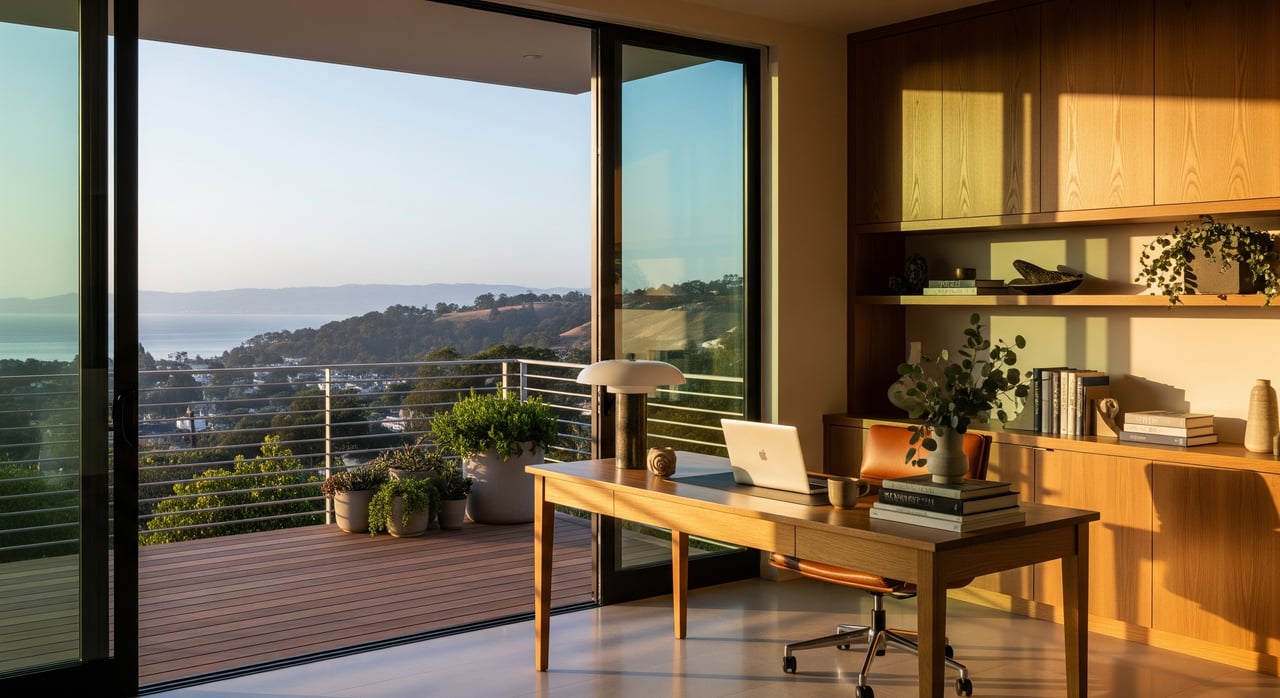
Is your hybrid schedule changing how you think about where to live in the East Bay? You are not alone. Many buyers now weigh a few key in-office days against the need for quiet, flexible spaces that make working from home easy. In this guide, you will learn how remote work and commute options shape housing demand in Berkeley, Oakland, and Alameda, and how to use that knowledge to buy or sell with confidence. Let’s dive in.
Remote work is reshaping demand
Remote-capable jobs have shifted priorities for many East Bay buyers. If you work from home part of the week, you likely value an extra room or flexible nook for a home office, strong internet, and outdoor space for breaks. At the same time, you still need a manageable commute on in-office days.
Hybrid schedules mean you may tolerate a slightly longer trip a few times a week if the home environment is great. The key is door-to-door reliability. How long it takes to walk to a station, park a car, transfer between lines, or find a ferry seat can matter more than the raw miles.
For sellers, this shift affects how listings compete. Homes that combine quiet work areas, good light, and convenient access to BART, ferries, or freeways can draw broader interest.
Commute options and who they fit
BART access
BART is the backbone for many Berkeley and Oakland commuters. Being able to walk or bike to a station can be a deciding factor for hybrid workers who still need predictable office-day travel. Buyers value quick station access, secure bike parking, and train frequency during peak times.
There are tradeoffs. Homes closest to stations often command a premium. You will also weigh factors like pedestrian traffic, train noise, and street parking for guests. If you plan to park at a station, evaluate permit availability and morning capacity before you buy.
Bay Bridge driving
For some buyers, driving across the Bay Bridge is still the most direct path to work. If you are in this group, off-street parking, a garage, or easy freeway access can top your list. Travel times can vary widely by time of day, so test the drive at your typical office return hours.
Think in terms of predictability, not just best-case scenarios. If you will only drive a couple of days each week, a slightly longer but less stressful route could be acceptable if your home offers better space or amenities.
Ferries from Alameda and Oakland
San Francisco Bay Ferry service from Alameda and Jack London Square appeals to buyers who want a comfortable transbay commute. Proximity to a terminal can add value, especially when paired with walkable neighborhoods. First-mile access matters here. Plan how you will get to the terminal, where you will store a bike, and whether schedules line up with your office arrival times.
Buses and first or last mile links
AC Transit transbay lines can fill gaps where BART is not the best choice. Some buyers prioritize a home near a reliable bus corridor over being next to a rail station. Think about how you will cover the last mile. Protected bike lanes, rideshare, shuttles, and scooters can turn a longer distance into a quick connection.
Neighborhood tradeoffs to know
North Berkeley and Downtown
North Berkeley and areas near stations tend to trade at a premium for walkability and transit access. If your office days require speed and reliability, living close to a station can make a clear difference. You will balance that with active streets and, in some spots, limited parking. Downtown proximity also adds dining and services that many hybrid workers appreciate between meetings.
West and South Berkeley
Buyers often look to West and South Berkeley for more space per dollar. You may find larger lots or extra rooms that convert well to home offices. Commute options can vary block by block, so check bus routes and bike connections to BART. A home farther from a station can still work if you have a reliable first-mile plan and strong at-home features.
Rockridge and Temescal
Rockridge and Temescal in North Oakland attract buyers who want short BART rides and active retail corridors. Station proximity can reduce door-to-door time for hybrid commuters. Expect a premium for quiet, walkable streets near College Avenue or Telegraph Avenue. As with any station-adjacent area, weigh noise and parking against convenience.
Jack London and Old Oakland
Jack London Square and Old Oakland offer a different lifestyle mix, with condo and loft buildings near ferry and BART access. If you want a quick ferry ride or a simple station walk, this may fit. Evaluate building amenities that support remote work, like lounge spaces, conference rooms, or reliable common-area Wi-Fi, and review building rules on home offices and internet providers.
Alameda
Alameda appeals to buyers who want an island setting with single-family homes and access to parks, libraries, and local services. Ferries to San Francisco provide an attractive alternative to peak driving. If your schedule is flexible, a ferry-based commute can work well, but you will want to map out first-mile options and backup plans for late returns.
What drives premiums and discounts
Likely premiums
- Walkable blocks near BART or reliable transbay options.
- Dedicated home offices, ADUs, or flexible floor plans that enable remote work.
- Off-street parking or garages for buyers who drive across the bridge.
- Strong cellular and Wi-Fi infrastructure, plus quiet rooms or sound dampening.
- Outdoor spaces for breaks, workouts, or small gatherings.
Likely discounts
- Homes adjacent to noisy corridors or rail infrastructure without noise mitigation.
- Limited parking in car-dependent segments, especially for Bay Bridge drivers.
- Narrow lots or limited outdoor space if the buyer prioritizes at-home living.
- Locations with weaker first or last mile connections to transit.
Time on market patterns
Listings near reliable transit often sell faster when they are priced competitively and well presented. Homes farther from stations may take longer but can attract buyers seeking more space, better privacy, or dedicated work areas.
Buyer checklist for hybrid schedules
- Map door-to-door time. Test your typical office-day trip during realistic hours. Build in time for parking, transfers, and walking.
- Prioritize first or last mile options. Identify whether you will walk, bike, rideshare, or take a shuttle to transit.
- Test drive and transit on different days. Compare peak and off-peak windows to see how consistent your commute is.
- Verify parking fit. If you drive, confirm garage dimensions, charging potential, street permit options, and access to highways.
- Assess work-from-home essentials. Look for a quiet room with natural light, space for video calls, and confirmed internet options.
- Listen for noise. Visit at different times to gauge traffic, train, and nightlife sound levels.
- Check building or city rules. For condos and multi-unit homes, confirm policies that affect home offices, short-term rentals, or ADU use.
Seller strategy for today’s buyer
Prepare the home for remote-first tours
Stage a functional office. A clean desk, flattering light, and a simple video-call backdrop make a strong first impression. If you have multiple flexible spaces, photograph each one to show options for desks, exercise gear, or a nursery that can double as a workspace.
Showcase at-home quality. Emphasize quiet rooms, soundproofing, and outdoor spaces for breaks. If you have an ADU, bonus room, or finished attic, present them as flexible zones. Mention internet providers and any recent wiring upgrades.
Market the commute clearly
Hybrid buyers want facts. In your listing, note walking or biking minutes to the nearest BART station, key bus lines, ferry terminals, and freeway access. If you drive, mention garage or driveway parking. If you take transit, describe first or last mile options like bike storage or nearby shuttle stops. Keep claims current by checking schedules and routes before you publish.
Use flexible showings and media
Remote workers can tour during weekdays. Offer midweek appointments and virtual walk-throughs to widen your buyer pool. High-quality photography and video matter because buyers filter fast. Lead with office spaces, quiet bedrooms, and outdoor areas.
Pricing and timing
Price competitively for the most likely buyer. Near transit, you may be courting hybrid commuters. In quieter blocks farther from stations, you may appeal to buyers who want more space and a strong home-office setup. Expect two buyer groups, remote-first and frequent commuters, and set expectations accordingly.
Tomaj’s listing approach
If you plan to sell in Berkeley or nearby, a marketing-driven plan can position your home for today’s hybrid reality. A focused strategy that combines hands-on preparation, targeted media, and clear commute storytelling helps bring the right buyers to your door. Presenting a quiet office, describing door-to-door options, and amplifying your listing through high-production media can shorten days on market and improve net proceeds.
How to balance home and commute
You do not have to choose between a great home office and a livable commute. In the East Bay, small location shifts, better first or last mile plans, and smart presentation can create that balance. As a buyer, quantify door-to-door time, then choose the home that supports your daily life. As a seller, show buyers you have already solved the hybrid equation with flexible spaces and clear commute options.
Ready to align your next move with your schedule and commute priorities? Connect with Tomaj Trenda to plan your strategy and, if you are selling, request a Free Seller Consultation and Home Valuation.
FAQs
Should you buy within walking distance of BART in Berkeley?
- If you commute a few days each week, walking or biking to BART can cut door-to-door time, but if you drive or use the ferry, station proximity matters less than parking and reliable first or last mile options.
Has remote work reduced the transit premium in the East Bay?
- Not across the board, since many buyers still value a manageable in-office trip, homes that combine solid home-office setups with good transit or driving access continue to attract strong interest.
Are longer Bay Bridge drives acceptable for hybrid workers?
- Many hybrid buyers accept an occasional longer drive in exchange for better space or quieter blocks, as long as the route is predictable and parking is straightforward on both ends.
What features should East Bay sellers highlight for hybrid buyers?
- Dedicated or convertible offices, reliable internet, quiet rooms, outdoor space, clear commute facts, and parking details, along with any ADU or flexible areas that support changing needs.
How could return-to-office changes affect demand in Berkeley and Oakland?
- A stronger return-to-office trend would increase the value of shorter, more reliable commutes, so homes near BART, ferry terminals, or easy freeway access could gain relative demand compared to farther locations.